6 Best Crafting Tweezers For Delicate Die Cut Placement
Struggling with intricate paper projects? Discover the 6 best crafting tweezers for delicate die cut placement and elevate your precision today. Shop our picks.
Precision tools are as vital to the paper crafter as a sharp set of double-pointed needles is to a sock knitter. When working with intricate die cuts or fragile embellishments, steady hands require the right mechanical advantage to avoid tearing delicate materials. Investing in quality tweezers turns a frustrating, messy assembly process into a meditative, precise practice. This guide evaluates six industry-standard options designed to handle the most microscopic crafting tasks with ease.
Cricut Fine-Point Tweezers: Your Starter Set Staple
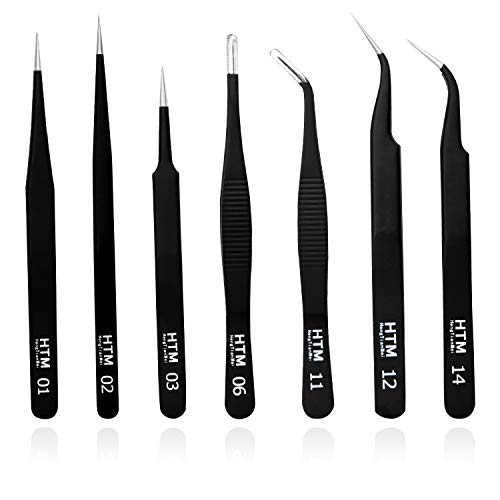

These tweezers are ubiquitous in the crafting world, much like a standard set of bamboo needles in a beginner’s kit. They feature a balanced tension that allows for long periods of use without causing hand fatigue or cramping.
The fine, precision tips are designed specifically to lift and place vinyl or paper remnants from a cutting mat. Because they offer a controlled grip, they are excellent for beginners who are still developing the dexterity required for delicate assembly work.
However, the tips are relatively stiff, which means they lack the “give” needed for extremely fragile or highly fibrous materials. They serve as a reliable workhorse for general die-cutting needs but might feel unrefined for high-end, micro-precision tasks.
Tim Holtz Reverse Action Tweezer: For Hands-Free

Reverse-action technology is a game-changer for those who struggle with maintaining a constant grip, similar to how a tension ring helps a knitter keep an even stitch. By default, the tweezers remain closed, holding your item securely until you choose to release it.
This tool excels when positioning small elements like lace appliqués or tiny paper flowers onto a layout. By removing the need to actively squeeze, these tweezers prevent the hand tremors that often ruin a precise placement during a long crafting session.
The tension on these is quite firm, which is ideal for heavier cardstock or stubborn embellishments. Exercise caution with delicate, single-ply paper, as the firm grip can leave indentations if the pressure isn’t monitored correctly.
EK Tools Craft Tweezers: Top Budget-Friendly Pick
Efficiency in the craft room doesn’t always require an expensive toolset. These tweezers provide a straightforward, no-nonsense design that gets the job done without unnecessary bells and whistles.
They are lightweight and offer a standard spring-action feel that most crafters will find intuitive. Because the construction is simple, they are easy to toss into a project bag alongside your notions pouch without worry.
While they lack the specialized coatings or ergonomic shaping of premium brands, they provide enough grip to handle standard die cuts effectively. For those on a strict budget, these offer the best utility-to-cost ratio for daily projects.
We R Memory Keepers Precision Set: Most Versatile
Having a variety of tip shapes available is similar to having a full range of needle sizes; it ensures you are prepared for whatever the pattern demands. This set usually includes multiple styles, covering everything from blunt-tip holding to sharp-tip positioning.
The primary benefit here is the ability to switch tools based on the weight and texture of your paper. If you are working with thicker, heavy-duty cardstock, you might choose the broader tip, while the needle-nose style handles intricate, lacy die cuts.
Investing in a set allows for a more tailored approach to different crafting mediums. It is an excellent choice for the crafter who works across multiple disciplines and needs a versatile kit that doesn’t require constant switching between individual brands.
Sizzix Curved Fine-Tip Tweezers: For Tight Spots
Curved tips are essential for reaching over obstacles or working on a crowded project surface. When you are layering die cuts, a straight tool often obscures your vision; a curved tip allows you to see the exact point of contact.
The ergonomic curve mimics the natural angle of the wrist, reducing strain during intricate placement tasks. This makes them particularly effective for “threading the needle” when trying to tuck an edge under an existing layer of paper or lace.
These tweezers are best reserved for delicate, high-precision work rather than heavy-duty pulling. Use them to finesse the final position of a piece, but rely on a sturdier tool for the initial extraction from a die.
iCraft Squeeze Tweezer: For Sequins and Gems
When handling microscopic beads, sequins, or flat-back gems, standard tweezers often result in the item “pinging” across the room. These squeeze-style tweezers are designed to handle tiny, round objects with a soft, targeted touch.
They operate with a unique mechanism that applies pressure only where you need it, preventing the slipping common with slick plastic or metal tweezers. They function much like a jeweler’s tool, allowing for surgical placement of embellishments.
Because these are specialized, they are not intended for large paper pieces or heavy cardstock. Keep them dedicated to your finishing work to ensure the tips remain pristine and free of adhesive buildup.
What to Look For in Your Next Crafting Tweezers
Choosing the right tool comes down to the friction and tension required for your specific medium. Just as you evaluate yarn for drape and twist, evaluate your tweezers for the “grip strength” of the tips and the overall weight of the metal.
- Tip Alignment: The tips must meet perfectly flush, or they will fail to grasp thin paper.
- Spring Resistance: Avoid tools that feel too heavy, as they will cause strain during intricate work.
- Material: Stainless steel is the industry standard for durability and ease of cleaning.
- Anti-Slip Coating: Look for tools with a textured grip area to prevent them from sliding in your hand.
Always consider the weight of the material you work with most often. Heavy, dense cardstock requires a tool with less “spring” and more mechanical clamping force, while delicate vellum requires a light touch and a perfectly smooth tip.
Straight vs. Curved: Picking Your Tweezer Tip
The choice between straight and curved tips is one of comfort and visibility. Straight tweezers are ideal for direct, vertical placement where you have a clear line of sight, such as working on a flat tabletop.
Curved tweezers, however, are superior for layered work where you need to reach under or around existing elements. They allow your hand to remain out of your line of sight, preventing the frustration of bumping into other delicate pieces already placed on the project.
If you are a beginner, start with a high-quality straight pair, as they are the most versatile. Once you begin tackling complex, multi-layered projects, you will find that a curved pair becomes an indispensable addition to your workspace.
Reverse-Action Tweezers: Are They Worth It?
Reverse-action tweezers are an investment in ergonomics, specifically for crafters who spend hours on repetitive detail work. They essentially act as a “third hand,” holding your paper or sequin in place while you apply adhesive or check your alignment.
They are particularly beneficial for those who suffer from joint fatigue or arthritis. By removing the need to maintain a continuous squeeze, you can focus on the artistic aspect of placement rather than the physical act of holding.
However, they are not suitable for every task. They can be cumbersome when you need to quickly grab and release items, and they are generally less precise for the “fine-tuning” that a manual squeeze provides. They are best used as a supplement to, rather than a replacement for, standard manual tweezers.
How to Clean and Care for Your Craft Tweezers
Just as you would clean your needles to prevent snagging delicate yarns, you must keep your tweezers free of adhesive residue. A buildup of glue or paper fibers will cause the tips to misalign and lose their grip over time.
Use a mild solvent or a dedicated adhesive remover on a cotton swab to wipe the tips after every session. Avoid scraping the tips with metal blades, as even a tiny scratch can compromise their ability to grab thin paper or fabric.
Store your tweezers in a protective case or a dedicated block to keep the fine tips from bending. If a tip does become slightly misaligned, gentle pressure with a pair of pliers can sometimes restore the balance, but it is often better to replace them to ensure the level of precision remains consistent.
The right pair of tweezers acts as an extension of your own hand, translating your intent into precise physical placement. By selecting a tool that matches the weight of your materials and the nature of your projects, you elevate your crafting from a struggle with fine parts to a smooth, efficient creative process.