6 Best Fabric Patches For Hat Repair Worth Using
Restore your favorite headwear with our top 6 picks for durable fabric patches. Read our expert guide to choose the best hat repair solutions and fix it today.
A hat often bears the brunt of a fiber artist’s lifestyle, catching on stray needles or enduring the friction of a busy studio. When a favorite cap develops a tear or thin spot, a strategic patch acts as a structural reinforcement rather than a simple cover-up. Choosing the right material requires understanding the tension and flex of the fabric beneath. This guide evaluates six premium options to ensure any repair remains as durable and functional as the original construction.
Gear Aid Tenacious Tape: Best for All-Weather


This translucent, waterproof tape excels when functionality outweighs aesthetic concealment. It behaves much like a high-performance technical fabric, offering a reliable barrier against moisture and wind for outdoor gear.
Because it relies on an aggressive pressure-sensitive adhesive, it bonds instantly to smooth synthetics like nylon or polyester. It lacks the soft hand of a woven fabric, making it unsuitable for delicate wool blends or fuzzy mohair structures.

For the serious maker who spends time in the field, this is the gold standard for immediate field repairs. Its longevity in wet conditions remains unmatched by traditional iron-on adhesives.
Dritz Iron-On Denim Patches: Classic & Reliable
Denim patches provide a sturdy, high-density solution for heavy-duty cotton hats or canvas caps. They mimic the weight and drape of thicker, non-stretch fabrics, ensuring that the repaired area does not buckle or pull during wear.
The iron-on adhesive creates a firm, stable bond that withstands the structural stress typical of rigid cap brims. However, ensure the iron temperature matches the fiber content of the hat; excessive heat can scorch delicate natural fibers.
These patches are best suited for utilitarian repairs where a visible, classic aesthetic is desired. They are essentially permanent once heat-set, so precise placement on the first attempt is critical.
Nettle & Silk Sashiko Mending Kit: Most Artful
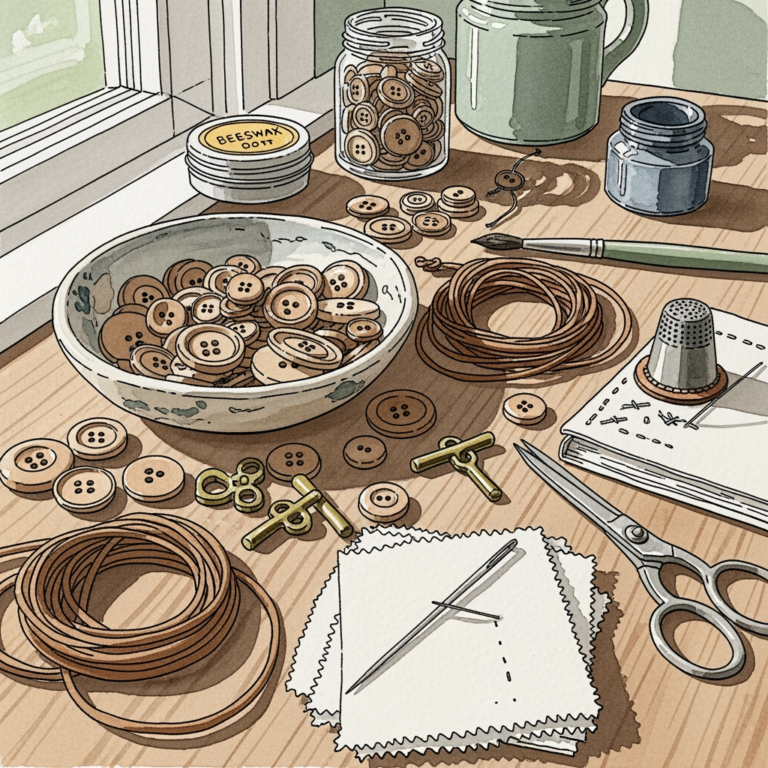
Sashiko kits represent the intersection of repair and fiber art, allowing for structural reinforcement through deliberate needlework. By utilizing heavy-duty cotton thread to stitch a patch into place, the hat gains aesthetic character while increasing its tensile strength.
This method is superior for repairing hand-knitted or crocheted headwear, as the stitching integrates with the existing yarn tension. It avoids the rigidity of iron-on adhesives, which can inhibit the natural stretch and recovery of knitted stitches.
For a cohesive look, match the thread weight to the hat’s yarn gauge. Using a fine thread on a bulky-weight hat will lead to rapid wear, while an appropriately heavy thread will mirror the hat’s existing stitch integrity.
Merchant & Mills Jacquard Patches: Most Stylish
Jacquard patches offer a refined, woven aesthetic that elevates a simple repair into a deliberate design choice. The intricate weave provides a subtle texture that blends well with natural fiber hats like wool felt or cotton twill.
The quality of the thread density in these patches prevents them from fraying at the edges over time. Their clean, finished appearance makes them an excellent choice for repairs on hats intended for daily, public wear.
Since these are generally sew-on applications, they are far more forgiving than adhesives for those who prefer to preserve the original hat’s fabric integrity. Always use a sharp, thin needle to prevent unnecessary perforation of the base material.
Bondex Hot Melt Twill Patches: Best for Beanies
Twill patches offer a tight weave that holds its shape well under the constant stretching and pulling associated with knit beanies. The hot-melt adhesive is designed to flex slightly, which prevents the patch from cracking or peeling when the hat is stretched over the head.
These patches are particularly effective for reinforcing thinning crown areas where friction is most constant. Because they are thin, they do not add unwanted bulk that could disrupt the drape of a delicate knit.
While they are highly effective, test a small corner on the inside of the hat first to ensure the adhesive does not alter the color or hand of the yarn. They provide a balance of utility and unobtrusive repair that works well for everyday headwear.
Leatherology Adhesive Patch: Premium Leather Fix
A leather patch adds a sophisticated, durable finish to structured hats, particularly those made of heavy canvas or waxed cotton. Leather serves as an excellent buffer against abrasion, acting as a second skin for the hat.
The adhesive backing on professional-grade leather patches is significantly stronger than standard fabric glue. When applied, it provides a stable anchor that is virtually impervious to snagging.
The primary trade-off is the loss of breathability at the patch site. For hats worn in high-exertion settings, place these patches carefully to avoid trapping excess moisture against the scalp.
Iron-On vs. Sew-On: Which Patch Is Right for You?
Iron-on patches offer speed and convenience, making them ideal for flat, structured surfaces where heat can be applied evenly. They create a seamless look but are difficult to remove and can sometimes leave an adhesive residue behind.
Sew-on patches are superior for items with high-stretch or irregular surfaces, such as hand-knit caps. They allow the fabric to retain its natural elasticity, preventing the “stiff patch” syndrome that occurs when glue interferes with the yarn’s movement.
Base the decision on the hat’s material: use heat-applied adhesives only on fabrics that can tolerate high temperatures without shrinking or distorting. For everything else, the security of a hand-stitched border is the most reliable path.
How to Perfectly Apply an Iron-On Patch to a Hat
Achieving a clean bond requires meticulous surface preparation. Clean the area around the tear to remove dust or fabric pilling, as any debris will compromise the adhesive’s contact with the hat’s fibers.
Place a pressing cloth between the iron and the patch to protect both the patch surface and the hat fabric from scorching. Apply firm, consistent pressure for the full duration recommended by the manufacturer; moving the iron too much can cause the patch to shift and wrinkle.
Let the patch cool completely without moving or stretching the fabric for at least an hour. This cooling period is when the adhesive fully sets and creates its maximum bond strength.
Matching Patch Texture to Your Hat’s Fabric Type
Compatibility between the patch and the hat is a matter of weight and density. A heavy, stiff denim patch applied to a lightweight, airy crochet hat will create a lopsided pull, causing the hat to deform during wear.
As a general rule, aim for a patch weight that is equal to or slightly lighter than the hat fabric. Use woven patches for woven bases and flexible, thinner materials or hand-stitched options for knit or jersey constructions.
Consider the visual texture as well. A high-sheen synthetic patch will clash with a matte wool hat, whereas a natural cotton or leather patch will age gracefully alongside the original materials.
Caring for Your Repaired Hat: Washing and More
Once repaired, treat the hat with the same care as the original material. Hand-washing in cool water with a gentle wool wash is almost always preferred over machine washing, which can subject the patch adhesive to unnecessary heat and agitation.
If the hat must be machine washed, turn it inside out and place it in a mesh garment bag. This prevents the edges of the patch from catching on the drum or other garments, which is the most common cause of premature peeling.
Always air-dry the hat away from direct heat sources. Intense heat can weaken adhesives over time, potentially causing the patch to lift at the edges long after the initial application.
A well-executed repair is a badge of honor for any maker, extending the life of a hat that has clearly served its purpose well. By choosing the right material and application method, you ensure that the patch functions as a seamless extension of the original design.