6 Best Fine-Point Needles For Bead Knitting Experts
Master bead knitting with our top 6 fine-point needle picks. Discover precision tools that ensure seamless stitch quality for your most intricate projects.
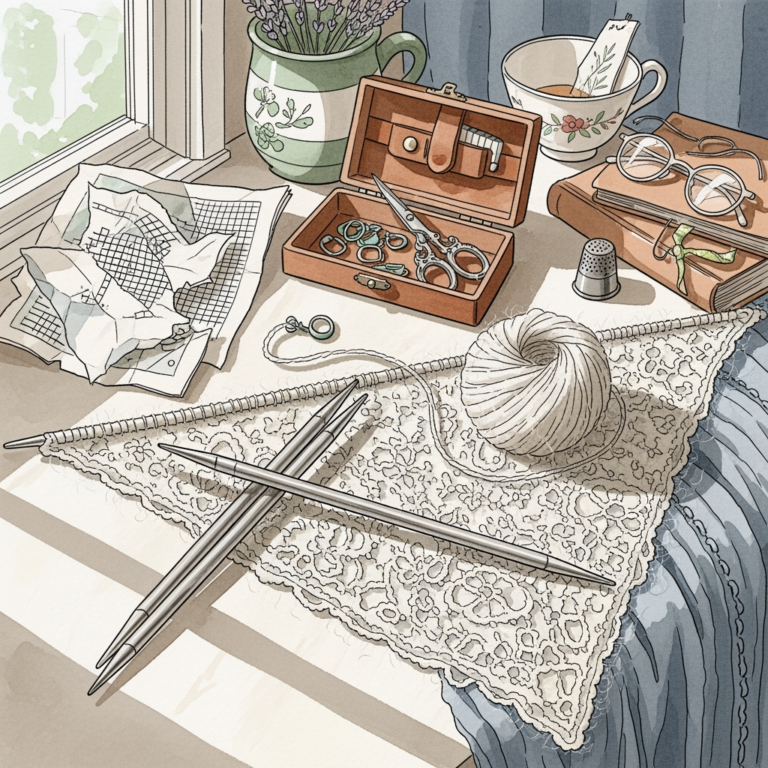
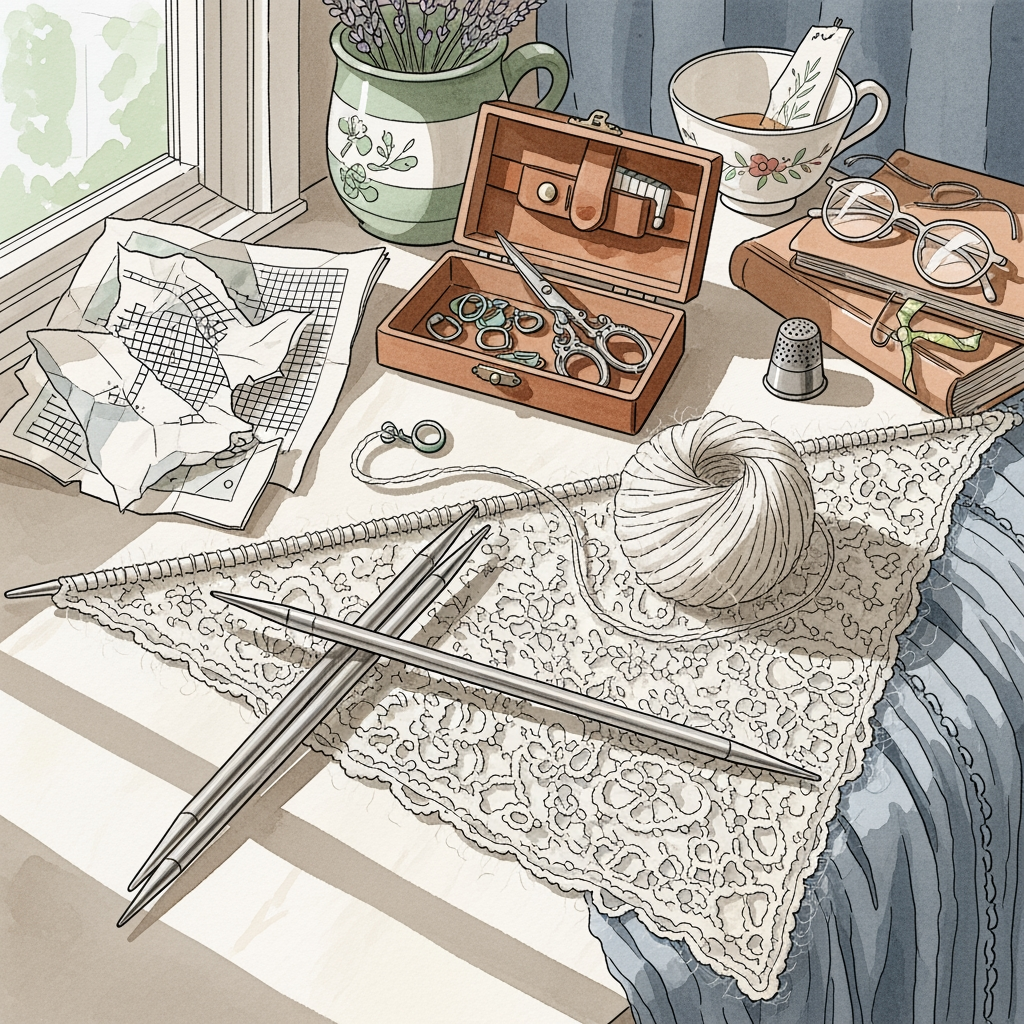
Bead knitting demands a level of precision that can quickly turn frustrating if your tools aren’t up to the task. When you are sliding delicate glass beads onto fine-gauge yarn, the needle tip acts as your primary surgical instrument. Choosing the right needle ensures that your stitches remain consistent while your bead placement stays clean and accurate. These six selections are the industry gold standard for knitters who refuse to compromise on their lace work.
HiyaHiya Sharp Steel Needles: Best Overall Choice


If you have ever struggled to pick up a tiny stitch while juggling a seed bead, you know the value of a needle that acts like a sewing pin. HiyaHiya Sharp Steel needles are engineered with an aggressive, tapered point that makes inserting the needle into tight, bead-laden stitches effortless.
The stainless steel finish provides a fast, slick surface that allows your stitches to glide without resistance. This is particularly helpful when you are working with slippery silk or bamboo yarns that tend to "grab" onto other materials.
However, be warned: these tips are genuinely sharp. If you have a habit of pushing the needle tip with your index finger, you will need to invest in a leather thimble or practice a light touch to avoid soreness.
Addi Lace Circulars: The Professional Standard

Addi Lace needles are the workhorse of the professional lace community for a reason. They offer a refined, tapered point that is sharp enough for complex maneuvers but slightly more rounded than the HiyaHiya, making them safer for long-term comfort.
The signature "click" of the join between the needle and the cable is nonexistent, which is vital when you are moving dozens of beads across the transition. When you are knitting a complex shawl with thousands of beads, that seamless join prevents the yarn from snagging at the most critical moment.
The nickel-plated finish is smooth and durable, though it can lose some of its luster over years of heavy use. They are the ideal middle ground for the knitter who wants high precision without the "needle-prick" fatigue of sharper alternatives.
ChiaoGoo Red Lace: Precision for Bead Knitting
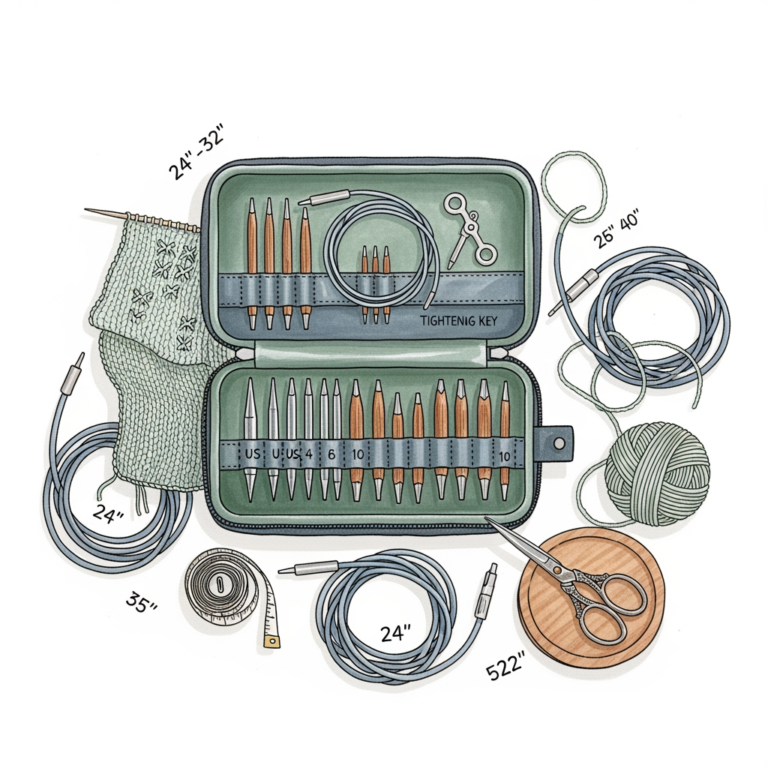
ChiaoGoo Red Lace needles are beloved for their proprietary surgical-grade stainless steel and their iconic red nylon-coated steel cables. These cables have zero memory, meaning they won’t kink or coil up while you are trying to manage your bead-loaded work.
The point is exceptionally long and tapered, which provides a significant mechanical advantage when you need to manipulate multiple loops at once. This is a game-changer for complex bobbles or intricate decreases where beads are clustered together.
While the tips are very sharp, the overall weight of the needles is well-balanced. They are an excellent choice if you tend to knit with a tight gauge, as the steel provides enough structural integrity to avoid bending under tension.
Knitter’s Pride Karbonz: Superior Point Taper
Karbonz needles are a unique departure from metal, utilizing a carbon fiber shaft with plated brass tips. This combination offers the warmth and flexibility of carbon with the extreme precision of a metal point.
The carbon fiber body is incredibly lightweight, reducing hand strain during marathon knitting sessions. Because carbon fiber is slightly less slick than steel, these needles provide just enough "grip" to keep your beads from sliding prematurely while you are working a stitch.
If you are a knitter who finds steel needles too slippery or cold to the touch, this is your best alternative. They are sturdy, but keep in mind that the brass tips can occasionally show wear if you are a particularly aggressive knitter.
Signature Needle Arts: Custom Stiletto Points
Signature Needle Arts offers a luxury experience with their customizable, American-made aluminum needles. Their "Stiletto" point is widely considered the sharpest on the market, offering surgical precision for the most microscopic of lace maneuvers.
These needles are heavier than steel or carbon, which some knitters find provides a satisfying, rhythmic weight to their work. Because they are anodized aluminum, the surface is smooth but not overly slick, offering a controlled, tactile experience.
The tradeoff here is the price and the weight; these are an investment piece. If you suffer from wrist fatigue, the heavier weight might be a drawback, but for short, high-intensity bead projects, the precision is unmatched.
Clover Takumi Bamboo: Precision for Grip Needs
Sometimes, the best tool isn’t the sharpest, but the one that offers the most control. Clover Takumi bamboo needles are perfect for knitters who find that metal needles cause their beads to slide off the needle tip during the knitting process.

The natural surface of the bamboo provides a gentle friction that holds your stitches and beads exactly where you place them. While the points are not as aggressive as the steel options, they are refined enough for most lace work.
These are an excellent choice for beginners or those working with very fine, slippery mohair blends. They are lightweight, quiet, and offer a level of stability that can make the difference between a relaxing knitting session and a stressful one.
Understanding Needle Taper for Bead Placement
The "taper" refers to the distance from the very tip of the needle to the point where it reaches its full diameter. A long, gradual taper is generally superior for bead knitting because it allows you to slide the bead over the needle point and onto the stitch with minimal distortion.
If the taper is too short or blunt, you will find yourself "fighting" the bead to get it to pass over the tip. This often leads to split yarn fibers or, worse, a broken bead.
Always look for a "lace point" designation, which typically indicates a longer, more gradual taper. This geometry is specifically designed to navigate the tight architecture of a stitch that is already carrying the extra bulk of a bead.
Choosing the Right Material for Fine Point Work
Selecting the right material is a balance between the "drag" of the yarn and the "slip" of the needle.
- Stainless Steel: Best for high-speed knitting and slippery fibers like silk or rayon.
- Carbon Fiber: Ideal for those who need a balance of grip and speed with reduced hand fatigue.
- Aluminum: A great middle-ground with a controlled, consistent surface.
- Bamboo/Wood: Necessary when working with very slick yarns or if you are prone to dropping stitches.
If you are working with a dark-colored yarn, consider a lighter-colored needle (like bamboo or light-colored aluminum) to help you see your stitches more clearly. Conversely, light-colored yarn pairs well with dark needles like the Karbonz.
Essential Tips for Managing Beads on Fine Yarn
The biggest mistake knitters make is trying to move beads without the right tools. Always use a dental crochet hook or a specialized bead-loading tool to move your beads from the yarn to the needle.

When working with fine yarn, your tension will naturally tighten as you add beads. If you find your knitting is becoming too stiff, try going up a half-size in needle diameter, but keep the sharp tip.
Remember that beads add weight to your work. A lace shawl with 5,000 beads will have significant "hang," so ensure your circular cable is long enough to support the weight of the project on your lap rather than letting it pull on the needles.
Troubleshooting Common Snagging and Point Issues
If your needle is snagging your yarn, check the join where the tip meets the cable. Even a microscopic gap can catch a fine-gauge thread, so run your fingernail over the join; if it catches, it will catch your yarn.
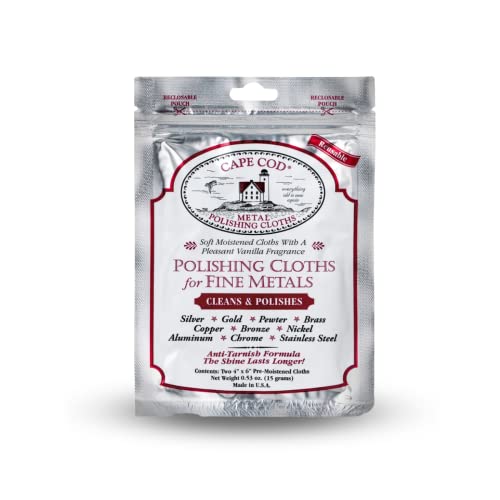
If the needle tip itself feels like it is splitting your yarn, your point may have developed a tiny burr. A quick pass with a fine-grit emery board or a specialized needle-polishing cloth can often restore the smoothness of the tip.
Finally, if you find yourself constantly dropping stitches, don’t blame your skill level. You may simply be using a needle that is too slick for your current yarn choice; switching to a material with more grip, like bamboo or wood, is a perfectly valid professional adjustment.
Mastering bead knitting is a journey of refining your tools to match the delicacy of your materials. By selecting a needle that complements your unique tension and the specific characteristics of your yarn, you transform a challenging task into a fluid, rhythmic process. Do not be afraid to experiment with different materials until you find the exact balance of speed and control that suits your hands. Your finished lace will be the ultimate testament to the care you took in choosing the right instrument for the job.