6 Best Wood Polishes For Antique Frame Restoration
Restore your vintage treasures with our expert guide to the 6 best wood polishes for antique frame restoration. Read our top recommendations to start today.
Antique frames require the same delicate touch and informed care as a hand-knit heirloom lace shawl that has been passed down through generations. Just as one would not wash a hand-dyed merino wool garment with harsh industrial detergent, antique wood surfaces demand specific, gentle preservation products to maintain their integrity. Selecting the right polish is a balancing act between aesthetic enhancement and the long-term health of the wood fibers. The following guide provides a roadmap for selecting the best treatment to protect the frames showcasing your most precious fiber art.
Howard Feed-N-Wax: Best for Dry, Thirsty Wood
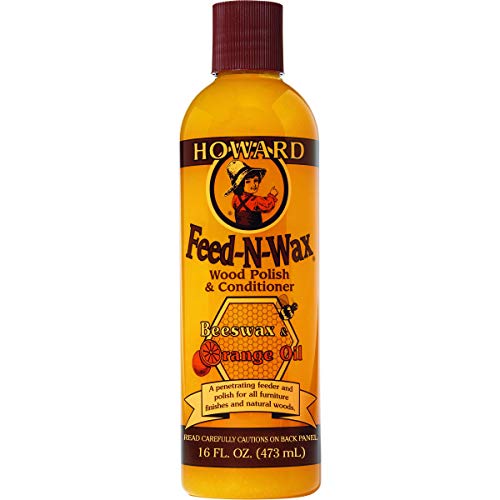

Much like a strand of untreated alpaca yarn that has lost its natural oils and become brittle, antique wood can become parched and prone to cracking. Howard Feed-N-Wax uses a combination of beeswax and orange oil to penetrate deep into the wood grain. This provides the internal hydration necessary to prevent further degradation of the frame.
It is particularly effective for frames that look dull or have developed fine, spider-web cracks in the finish. By feeding the wood rather than just coating the surface, it restores a supple, healthy appearance. Think of this as the final conditioning step in a blocking process, where moisture is reintroduced to ensure the structure retains its shape and luster.
However, because this is an oil-based product, it will remain slightly soft and may take longer to cure than a harder wax. Avoid using it on frames that are handled frequently, as the residue can transfer to your hands or the fabric of your displayed art. It is best reserved for pieces that are set in a stable environment.
Briwax Original: Best for a Quick, Hard Finish

When a frame requires a protective barrier that dries quickly and buffs to a high, durable sheen, Briwax Original serves as a reliable solution. It incorporates a blend of beeswax and carnauba wax, which creates a much harder protective surface than oil-based conditioners alone. This is akin to choosing a tight-ply, high-twist wool for a pair of socks; the durability is built into the chemistry of the product.
This wax is excellent for frames that suffer from minor surface scuffs, as it acts as a filler that levels out small imperfections. It provides a beautiful, period-appropriate luster that highlights the intricate carvings often found on antique molding. Because it contains solvents, it is also effective at cleaning away old grime while it polishes.
The trade-off for this speed and shine is the presence of VOCs (volatile organic compounds), which require the workspace to be well-ventilated. Apply it sparingly; a little goes a long way, and heavy application can lead to a sticky, uneven finish. For those who prioritize a professional, museum-like gleam, the extra effort in buffing is well worth the results.
Minwax Paste Wax: The All-Purpose Workhorse

Minwax Paste Wax is the foundational product for many collectors, serving as a dependable choice that sits somewhere between a cleaner and a sealer. It behaves much like a versatile, neutral-color wool yarn that works well for almost any pattern or gauge. If the goal is a consistent, non-fussy finish that protects against dust and minor humidity changes, this is the gold standard.
This product is neither too soft nor too brittle, making it easy to spread and buff out to a satin finish. It does not contain the deep-penetrating oils of a feed product, meaning it works primarily on the surface layer. It is ideal for frames that are already in decent condition but need a layer of defense against the elements.
While it is affordable and widely available, do not expect it to perform miracles on severely damaged or dry wood. It provides a barrier, not a cure for structural decay. Use it as a regular maintenance tool to keep your frames protected from the ambient dust and air pollutants that accumulate in any home studio.
Renaissance Wax: Museum-Quality Protection
Renaissance Wax is the professional choice for those who value archival stability above all else. Originally formulated for the British Museum, this micro-crystalline wax is chemically inert, meaning it will not yellow, crack, or react negatively with the wood or the artwork it frames. It is the equivalent of choosing 100% silk or linen for a long-term fiber art project—it is built to last centuries without degradation.
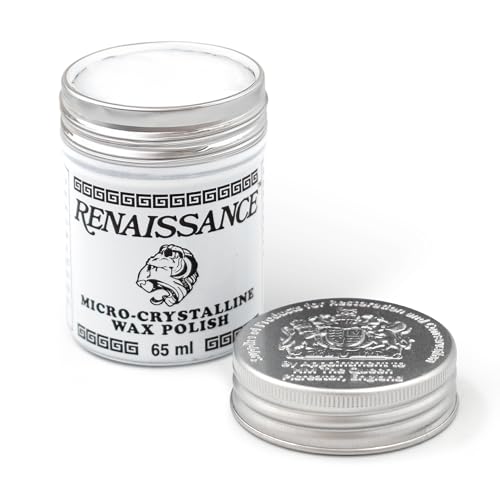
Because the wax crystals are incredibly small, it offers a level of clarity that allows the natural character of the wood grain to shine through without any muddying effect. It is completely acid-free, which is vital if the wood frame is in direct contact with delicate textiles. You can rest easy knowing that the frame is protected from humidity and fingerprints without risking the integrity of your display.
The cost is higher than standard store-bought polishes, but the shelf life and performance justify the investment. Once applied and buffed, it creates a near-invisible shield that is resistant to water and UV damage. If your collection includes valuable antiques, this is the safest route to prevent the slow creep of time.
Behlen’s Blue Label: Pro’s Choice for Sheen
Behlen’s Blue Label is a traditional paste wax favored by furniture restoration professionals who seek a specific, warm, and authentic aesthetic. It mimics the look of historic finishes that were achieved through years of hand-polishing and careful upkeep. It is a fantastic choice if you want the frame to look cared for, but not overly “plasticized” or unnaturally glossy.
The texture of the wax is buttery and smooth, allowing for a very uniform application that is easy to control. It produces a soft, low-luster glow that brings out the depth in mahogany, walnut, or oak frames. Much like choosing a matte-finish yarn to show off complex lace stitches, this wax enhances the detail without distracting light reflections.
Note that because it is a professional-grade product, the application requires a bit more technique to ensure it does not “streak.” Always work in thin, circular motions and buff while the wax is still slightly tacky. Mastery of this polish comes with practice, similar to refining your tension for a consistent fabric.
OZ Polish Cream: Easiest No-Buildup Option
If the prospect of applying and buffing heavy waxes feels daunting, OZ Polish Cream offers a user-friendly, liquid alternative. It is designed to be wiped on and wiped off, leaving behind a clean, conditioned surface without the risk of heavy buildup. It is an excellent choice for those who find the wax application process as intimidating as learning to graft live stitches for the first time.
This cream is perfect for quick maintenance sessions where you want to freshen up a frame without a major overhaul. It is gentle, soap-based, and does not contain harsh silicones that can interfere with future refinishing efforts. It leaves behind a soft sheen that is very natural and pleasant to the touch.
While it provides less heavy-duty protection than a dense carnauba paste, it is highly effective for removing surface dust and fingerprints. It is ideal for modern frames or antique frames that have already been restored and just need a little bit of love. Keep a bottle on hand for regular dusting—it is the quickest way to keep your display area looking pristine.
Paste Wax vs. Oil: Which Is Best for Antiques?
The fundamental difference between wax and oil is the level of protection provided versus the level of penetration. Oils, like those found in Feed-N-Wax, sink into the fibers of the wood, acting as a humectant that prevents desiccation. This is essential for very old or brittle pieces that have lived in dry environments, much like hydrating a fiber that has been stored in a low-humidity climate.
Waxes, conversely, create a sacrificial layer on top of the wood. This layer shields the piece from liquid spills, dust, and daily wear, acting as a barrier rather than a treatment. If you are dealing with a frame that is already structurally sound, a wax is the superior choice for long-term preservation.
Most experts recommend a hybrid approach for antiques: use an oil-based conditioner sparingly to nourish the wood once every few years, and follow up with a high-quality paste wax for regular maintenance. Do not mistake a surface wax for a deep-conditioning oil; they have distinct roles in the preservation process, just as wool wash cleans a fiber while lanolin restores its natural suppleness.
How to Safely Apply Wood Polish to Your Frames
Precision is key when applying any treatment to an antique frame, as you want to preserve the finish rather than alter it. Always work on a flat, stable surface covered with a clean, lint-free cloth—avoid microfiber, which can snag on splintered wood. Use a soft, natural-fiber rag to apply the polish in circular, controlled motions.
Focus on working the product into the crevices of carved areas using a soft-bristled brush, but be careful not to force too much wax into deep detail. Too much buildup here will turn white or cloudy over time, which is difficult to remove. Think of this like avoiding over-saturation when blocking a delicate piece—the goal is even coverage, not a puddle.
After applying the product, allow it to set for the manufacturer-recommended time before beginning the buffing process. Use a fresh, clean cloth to buff the surface until the wood feels smooth and the sheen is uniform. If the frame remains tacky, you have likely applied too much product; continue buffing until the resistance disappears.
Prepping Your Antique Frame for Its First Polish
Before you reach for the polish, you must ensure the surface is free from debris, much like checking a project for loose ends before finishing. Use a soft, dry cloth or a very soft brush to remove dust and dirt from the surface and corners of the frame. Any grit left on the surface can be dragged across the wood during the polishing process, causing micro-scratches.
Check the frame for active wood-boring insects or mold; if these are present, polishing will not help and may actually trap the issues. If the surface is exceptionally dirty, a light wipe with a damp (not wet) cloth might be necessary, but ensure the frame is bone-dry before proceeding. Excess moisture is the enemy of antique wood, just as it is the enemy of natural fibers prone to felting or mildew.
Never use household cleaning sprays or all-purpose degreasers on antique wood, as these can strip the original varnish or shellac finish. Stick to the gentlest cleaning method possible. Once the frame is clean and dry, you are ready to apply your chosen treatment with confidence.
Common Mistakes to Avoid When Polishing Old Wood
One of the most frequent errors is the “more is better” mentality, which leads to thick, sticky layers that attract dust and grime. Over-waxing turns a once-beautiful finish into a cloudy, uneven mess that is labor-intensive to strip back. Remember that a thin, even layer provides the same protection as a thick one, with none of the aesthetic drawbacks.
Avoid using polishes that contain silicone, as these can create long-term problems. Silicone penetrates the wood fibers and makes it nearly impossible to ever properly repair or refinish the piece in the future. It is the wood-polishing equivalent of using an unremovable synthetic glue on a repair project where a delicate needle-and-thread fix was required.
Lastly, never polish a frame that shows signs of significant flaking or “alligatoring” without first consulting a professional restorer. If the finish is already failing, adding a wax layer will not consolidate it; it may actually speed up the loss of the original finish. Always assess the structural integrity of the piece before applying any surface treatment.
The health of your antique frames directly impacts the presentation of your fiber art, creating a harmonious display that respects the history of both the materials and the craftsmanship. By choosing the right polish and applying it with the same patience you bring to a complex lace pattern, you ensure that these pieces remain beautiful for years to come. Take the time to identify the needs of your wood, invest in quality materials, and enjoy the quiet satisfaction of preserving beauty for the future.