
6 Best Cardstock Tags For Labeling Worth Using
Looking for the perfect labels? Discover our top 6 picks for high-quality cardstock tags that offer durability and style. Shop our expert recommendations today!
When a hand-knit heirloom is finally blocked and dried, the final touch—the tag—elevates the project from a hobby piece to a professional-grade gift. Choosing the right cardstock ensures that essential information like fiber content and washing instructions remains legible and intact. The physical connection between the label and the yarn requires careful consideration to protect delicate fibers from abrasion. These six recommendations represent the gold standard for crafters who value both aesthetics and the longevity of their work.
Avery Printable Tags with Strings: Best Overall


Avery printable tags are the industry standard for knitters who need a professional, uniform look across an entire collection of projects. Because these are designed to feed through standard inkjet or laser printers, you can include detailed gauge information, fiber composition, and care icons with pinpoint precision.
The perforated edges make separating the tags quick and painless, ensuring you spend less time on assembly and more time casting on. Since they come with pre-cut strings, the logistics of attaching them to a finished shawl or pair of socks are handled instantly.
Be aware that these are not archival-grade, so avoid letting them rest against light-colored wool for years, as the ink could potentially transfer. If your project is intended for long-term storage, prioritize a quick pass with a fixative spray or choose a simpler, non-printed option.
Kraft Paper Gift Tags: Best for Rustic Charm
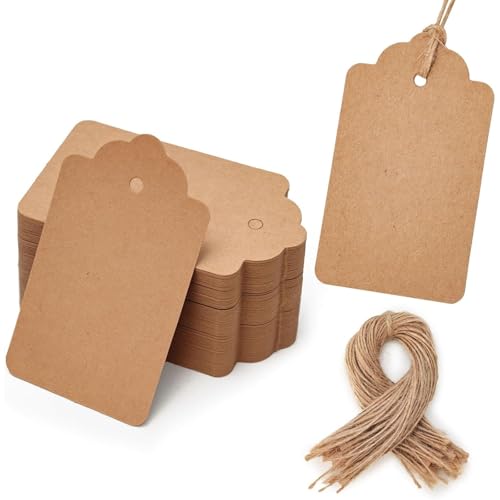
Kraft paper tags offer a timeless, earthy aesthetic that complements natural, woolen-spun yarns and tonal hand-dyed colorways. The raw, fibrous surface of the cardstock absorbs ink beautifully, providing a matte finish that looks intentional rather than factory-made.
These tags are often thicker than standard office stationery, which prevents the edges from curling or fraying when handled during craft fairs or gift exchanges. They provide a sturdy canvas for calligraphy or custom stamps, allowing for a personalized touch that elevates gift-giving.
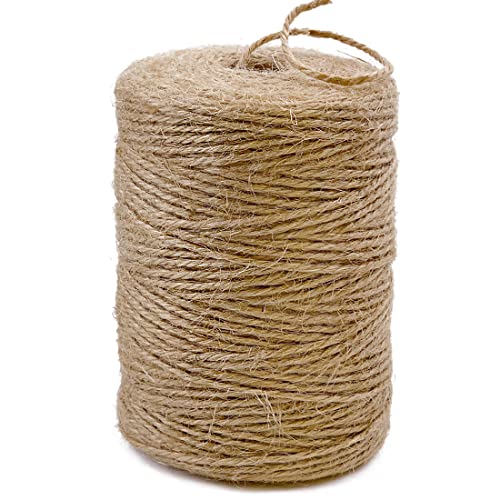
The trade-off is that they are rarely pre-strung with high-quality materials. Use a sturdy cotton or jute twine to maintain that rustic vibe, but ensure the twine is soft enough to avoid snagging the delicate plies of a luxury mohair or angora blend.
Outus Scalloped Kraft Tags: Best for Gifting

The scalloped edge on these Outus tags provides a soft, decorative silhouette that balances out the rugged nature of dense, heavy-weight yarn labels. They strike a sophisticated balance between handmade charm and organized presentation, making them ideal for high-end gift items.
Because they often feature a reinforced hole punch, they handle the weight of bulkier items—like a cabled fisherman’s sweater—without tearing or sagging under the tension of the string. They feel substantial in the hand, which reinforces the value of the labor-intensive work inside the package.
Stick to fine-tipped permanent markers when writing on these to prevent feathering. While the cardstock is high quality, the scalloped edge can be delicate, so avoid overstuffing your gift boxes where the corners might catch and bend.
WRAPAHOLIC “Handmade with Love” Tags: Best Pre-Printed
For the knitter who wants an immediate finishing touch without the hassle of a printer, these pre-printed tags are a time-saving miracle. They offer a clean, consistent message that tells the recipient exactly what the garment is: a labor of love.
These are particularly effective for seasonal gifting where speed is as important as quality. Because the design is already set, you avoid the common pitfalls of smudged printer ink or uneven margins that often plague home-printed labels.
Understand that these tags are prescriptive; you cannot customize the fiber content or care instructions. Keep a small roll of clear labels on hand to stick to the back of the tag if specific washing requirements, such as “dry flat” or “hand wash only,” are necessary for your fiber choice.
Darice Die Cut Cardstock Tags: Most Versatile
Darice tags provide a blank, high-quality slate that caters to the knitter who enjoys customizing every aspect of their presentation. The smooth surface accepts everything from colored pencils and charcoal to waterproof archival pens and custom rubber stamps.
Their versatility lies in their simplicity; they are not limited by a pre-printed aesthetic or a specific theme. You can punch an extra hole for a snippet of the project’s yarn, creating a “yarn swatch” tag that helps the recipient understand the drape and texture of the item.
If you are shipping these tags, consider using a thicker gauge of cardstock than the standard pack. While these are excellent for in-person gifts, they may bend if tucked into a mailing envelope without the protection of a rigid card backing.
Pacon Card Stock Sheets: Best for DIY Custom Tags
Purchasing full sheets of cardstock allows for complete control over the size, shape, and information density of your project labels. This is the preferred method for advanced makers who need to include complex instructions or branding for their knitwear business.
Using a paper cutter ensures crisp, professional edges that look infinitely more polished than hand-cut options. You can also experiment with heavy-weight, acid-free cardstock, which ensures your project details will not yellow or degrade over time—a critical consideration for heirlooms.
This route requires the highest time investment, as you are responsible for design, cutting, and hole-punching. Invest in a high-quality corner rounder tool to prevent the tags from developing sharp, poking edges that might damage delicate fibers like silk or cashmere.
Choosing a Tag: Gifting vs. Stash vs. Sales
When selecting a tag, identify the primary purpose of the project. A gift tag needs to be soft and personal, whereas a sales tag must be durable, informative, and professional enough to stand up to repeated handling in a retail environment.
If you are labeling your personal stash, prioritize archival-quality materials and clear, legible writing. Over time, labels on stored yarn can crumble; selecting acid-free, sturdy cardstock prevents a pile of illegible tags in your storage bins.
For sales, include your business name, fiber content, and specific gauge. A tag for a retail item acts as your spokesperson, so prioritize clarity over ornate designs that might hide the essential information the customer needs to make a purchase decision.
What to Write on Your Handmade Item Tags
A useful tag is a functional tool that guides the user toward long-term garment care. Always include the fiber composition—for example, “100% Superwash Merino”—so the user understands exactly what they are holding.
Clearly state the washing instructions, using both text and standard symbols if possible. If the item is a wool-nylon sock blend, specifically mention that it is machine washable, as this is a major selling point that potential users will look for immediately.
Include a “handmade by” line to ground the item in its origin. If the item is intricate, such as a colorwork yoke or lace shawl, adding a short note about the fiber’s unique properties—such as “insulating” or “breathable”—adds value to the finished object.
Attaching Tags Without Damaging Your Knitting
The method of attachment is just as important as the tag itself. Avoid metal safety pins, as they can rust over time and snag delicate fibers like alpaca or high-twist cotton.
Opt for soft, smooth cord, such as hemp twine, mercerized cotton, or a soft ribbon. Ensure the point of attachment is a sturdy part of the garment, such as a seam or a bind-off edge, rather than a single stitch in a piece of delicate lace.
Never pull a tag tight against the knit. Leave enough slack so the tag can move freely without pulling on the stitch structure, which prevents the yarn from stretching or distorting at the anchor point.
Tips for Printing Your Own Custom Yarn Tags
When designing your own tags, choose a high-resolution, sans-serif font for maximum legibility. Tiny details and flowery scripts often turn into unreadable blobs when printed on small tags, especially if the ink spreads into the fibers of the cardstock.
Always perform a “test print” on a plain sheet of paper before loading your good cardstock. Align this sheet with your actual cardstock to check for spacing errors, as even a small offset can ruin an entire batch of tags.
Use a professional-grade printer setting, and allow the tags to dry completely before punching holes or stringing them. If the ink feels tacky, stack them with sheets of scrap paper in between to prevent smudging while they cure.
Choosing the right tag is the final stitch in a successful project, bridging the gap between your hard work and the recipient’s understanding of the piece. By selecting durable, appropriate materials and providing clear, helpful instructions, you ensure the longevity of your knitting long after it leaves your needles. Whether for a gift or a small business, a well-considered tag is the hallmark of a true master of the craft.
