6 Storage Pockets For Small Ephemera Scraps To Organize
Tame your craft room clutter with these 6 storage pockets for small ephemera scraps. Discover clever, efficient ways to organize your collection today. Read more.
Every knitter eventually faces the mounting pile of short yarn ends, swatch squares, and orphan notions that clutter a workspace. Small ephemera scraps are often treated as afterthoughts, yet keeping these items organized is the difference between a seamless project transition and hours of frustrating searching. Proper storage transforms a chaotic stash into a functional resource for mending, embroidery accents, or color-matching. Selecting the right vessel for these fragments ensures that your creative flow remains uninterrupted by the hunt for the perfect bit of thread.
Della Q Maker’s Canvas Cubby: Best for Yarn Bits
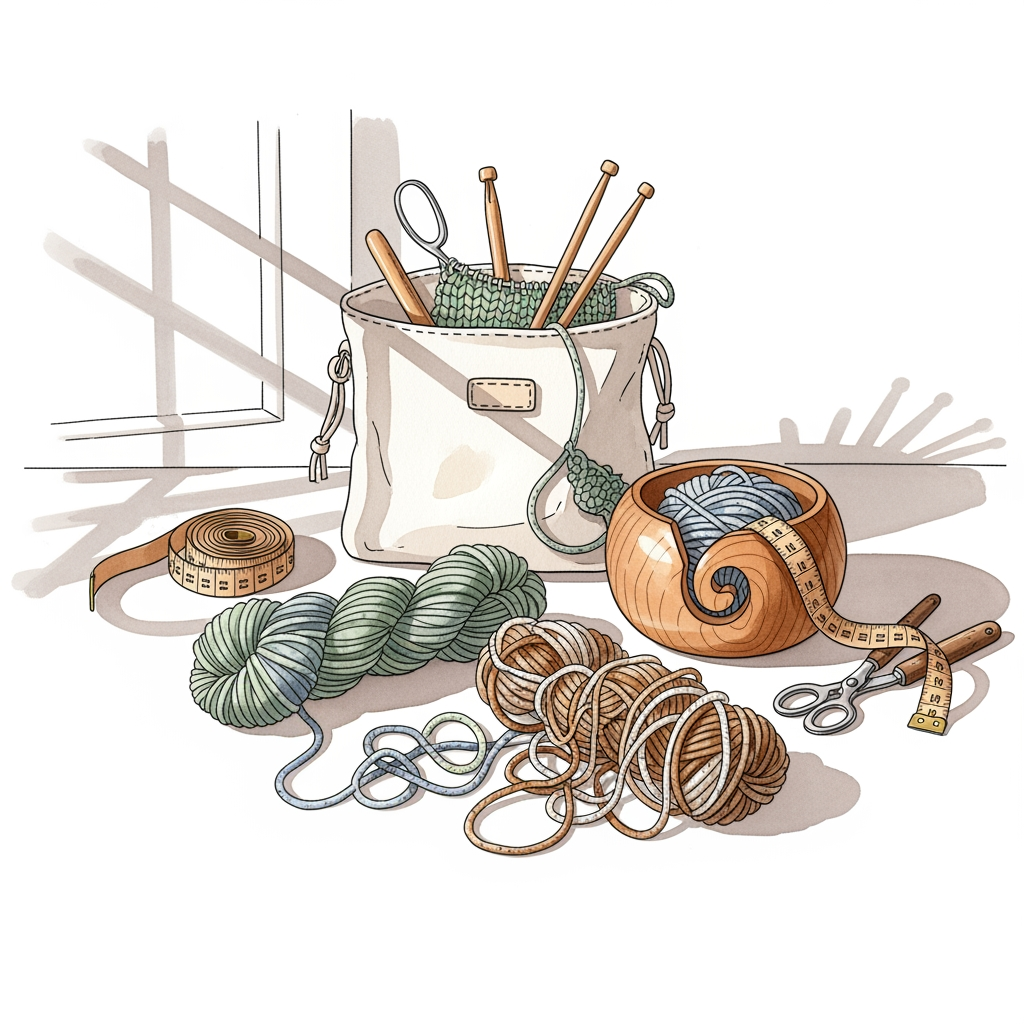
The Maker’s Canvas Cubby excels at containing those rogue yarn snippets that collect during stranded colorwork or intarsia projects. Its waxed canvas construction provides a sturdy structure that resists slouching, even when filled with assorted lengths of fingering weight wool.


For knitters who prioritize aesthetics alongside utility, the cubby offers a tactile experience that matches the organic nature of fiber. It is particularly effective for storing short, pre-cut lengths of yarn intended for duplicate stitch repairs or darning ends.
However, consider the footprint of the cubby on your knitting station. While it keeps ends visible and accessible, it does not offer individual sorting compartments for specific colors or fiber types. It is best treated as a catch-all for small, loose components rather than a precision indexing system.
ArtBin Super Satchel Slim: Top Pick for Fabric
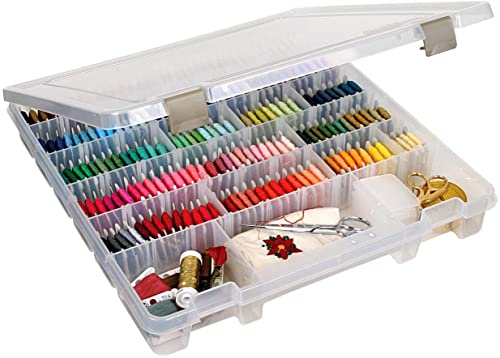
The ArtBin Super Satchel Slim is the standard for those dealing with both fiber scraps and fabric-based ephemera, such as lining materials or ribbon scraps. The shallow depth prevents items from getting buried, which is a common failure of deeper, bulkier storage bins.
The modular dividers allow for a custom layout that can adapt as your scrap collection grows. This is ideal for categorizing small swatches or fabric pieces by color family or fiber composition, such as grouping silks separately from quilting cottons.
The primary tradeoff is the rigidity of the plastic, which lacks the flexibility of soft-sided cases. If your scrap stash consists primarily of bulky wool bits, these might feel cramped; if you work with textiles and fine threads, the slim profile is an advantage.
Yazzii Crafter’s Companion: See-Through Pockets
Visibility is the greatest asset of the Yazzii Crafter’s Companion, which utilizes clear vinyl pockets to showcase contents instantly. When working on a complex project that requires various stitch markers, cable needles, and snippets of scrap yarn, being able to identify tools without opening every flap saves significant time.
The design relies on multiple layers of pockets, making it a high-capacity solution for those with extensive collections of notions. It is especially useful for keeping small ephemera protected from dust and debris while remaining perfectly organized by category.
Keep in mind that vinyl can become brittle over many years of exposure to extreme heat or cold. While it offers excellent organization, ensure that sharp items like tapestry needles are stored in a secure sheath or pin cushion within the pocket to avoid puncturing the clear material.
Totally Tiffany ScrapMaster: For Paper Ephemera
The Totally Tiffany ScrapMaster is designed with a tiered system that is perfect for those who maintain a “reference stash” of notes, patterns, or printed fiber tags. While intended for paper, it works exceptionally well for flat fiber-related ephemera like yarn labels or gauge cards.
Its vertical orientation allows for efficient desk space usage, making it an excellent choice for a dedicated knitting desk or craft corner. The pockets are sized to hold standard index cards or small swatch logs, which are vital for tracking yarn usage and dye lot information.
The limitation here is strictly size; this is not the place for textured, three-dimensional scraps like balls of yarn or pom-poms. Use this system strictly for the flat data of your craft to keep your workspace clear of paper clutter.
Tim Holtz Storage Tin: Compact and Stackable
A Tim Holtz Storage Tin acts as an indestructible fortress for your most delicate or smallest notions. These tins are ideal for holding those tiny, easily lost pieces like specialized point protectors, locking stitch markers, or small lengths of silk waste used for embroidery.
The metal construction ensures that the contents remain safe, even if the tin falls off a table or gets tossed into a heavy project bag. The stackable nature allows you to create a library of containers, each labeled by the specific type of scrap or tool inside.
Be aware that these tins lack internal compartments, so items may shift during transit. To prevent small bits from clattering, consider tucking them into small velvet pouches or glassine envelopes before placing them inside the tin.
Clover Getaway Case: For Notions and Scraps
The Clover Getaway Case is a masterclass in portable organization, designed to fit into even the most crowded project bags. Its mesh pockets allow for breathability, which is essential if you are storing natural fiber scraps that may contain residual moisture or lanolin.
The layout is optimized for the essential tools every knitter needs at hand, such as measuring tapes, small scissors, and snips of waste yarn for provisional cast-ons. The zipper closure ensures that nothing drifts away, even if the case is stored upside down in a larger bag.
While perfect for on-the-go knitting, it may be too small to serve as your primary storage for a large scrap stash. It serves best as a satellite station for your current project, keeping the most frequently used scraps within arm’s reach.
How to Choose the Right Scrap Storage for You
Start by assessing the volume and nature of your scraps. If your stash consists of bulky, irregular pieces, prioritize soft-sided cases with flexible capacity. If your scraps are mostly flat, such as labels or swatches, vertical or slim-profile systems will prove more efficient.
Consider your work habits: do you knit at a dedicated station, or is your knitting mobile? Mobile knitters should prioritize the Clover Getaway Case or similar closed-container systems that prevent items from shifting during travel.
Finally, balance the cost of storage against the value of your materials. Investing in high-quality storage is justified if it protects valuable fiber, but simple solutions often work just as well for standard, easily replaced supplies.
Sorting Your Scraps: A System for Small Pieces
Effective organization requires a consistent sorting method, regardless of the vessel chosen. A simple, effective system involves categorizing by color for visual inspiration, or by fiber weight if the scraps are meant for utilitarian use like mending or darning.
- Color-coded: Ideal for those who use scraps for decorative embroidery or colorful patchwork projects.
- Weight-coded: Essential for mending, as you must match the scrap to the gauge of the garment being repaired.
- Fiber-type: Critical to separate animal fibers, which may felt, from synthetic fibers that have different heat tolerances.
Assign a specific container to each category to ensure that when you reach for a piece of lace-weight mohair to mend a snag, you aren’t digging through a pile of worsted-weight wool.
Fabric vs. Paper: Different Storage Needs
Fiber-based ephemera like yarn scraps, swatches, and threads require airflow and protection from pests like moths. Natural fibers should never be stored in airtight plastic for long periods if they contain even a hint of moisture, as this can encourage mildew.
Paper-based ephemera, such as yarn labels or patterns, require protection from light and humidity to prevent fading and yellowing. Paper also benefits from flat, pressure-free storage to keep the edges crisp and the text legible.
Keep these two categories separate to prevent contamination. Fiber scraps often leave behind tiny, microscopic fibers that can stick to paper, while paper can occasionally contain acids that may degrade delicate, vintage-style yarn scraps.
What to Do With Your Organized Scrap Stash
Once your stash is organized, it ceases to be “clutter” and becomes an active part of your creative toolkit. Use your scraps to create “franken-yarn” for small projects like wrist warmers, where color transitions can be bold and intentional.
Consider using your small fabric and fiber scraps as stuffing for pincushions or as padding for internal structure in soft toys. Finally, use your swatch scraps to create a physical library of fiber performance, recording how each yarn behaves after washing, blocking, and wearing.
Taking the time to organize these bits transforms the way you view your fiber arts practice. You will find that having the right tool or scrap at the right time not only saves energy but also encourages more creativity in your daily making.