7 Best Punch Pads For Protecting Table Tops To Use
Discover the 7 best punch pads for protecting table tops to ensure your furniture stays damage-free during workouts. Shop our top-rated picks and buy yours today!
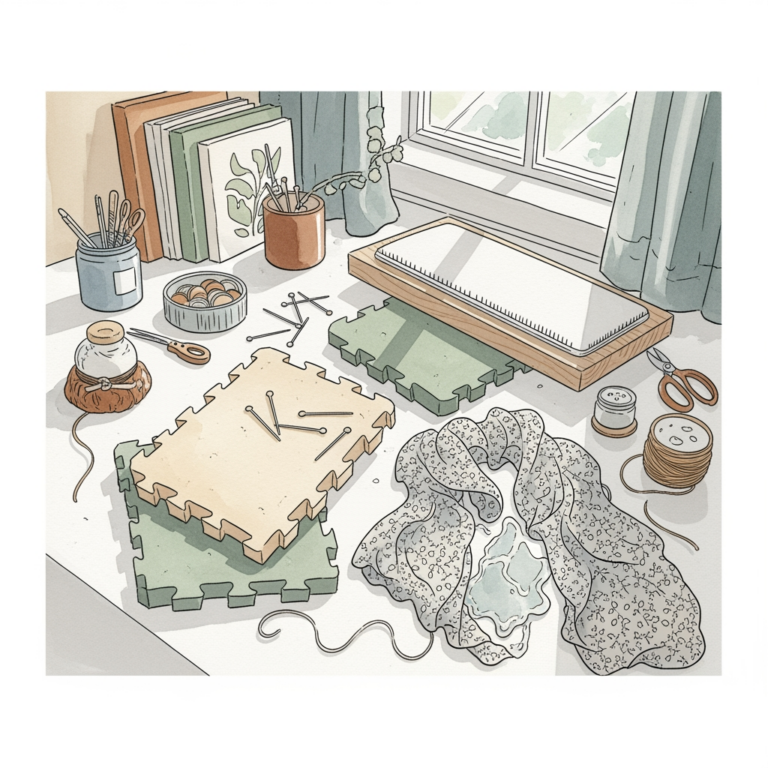
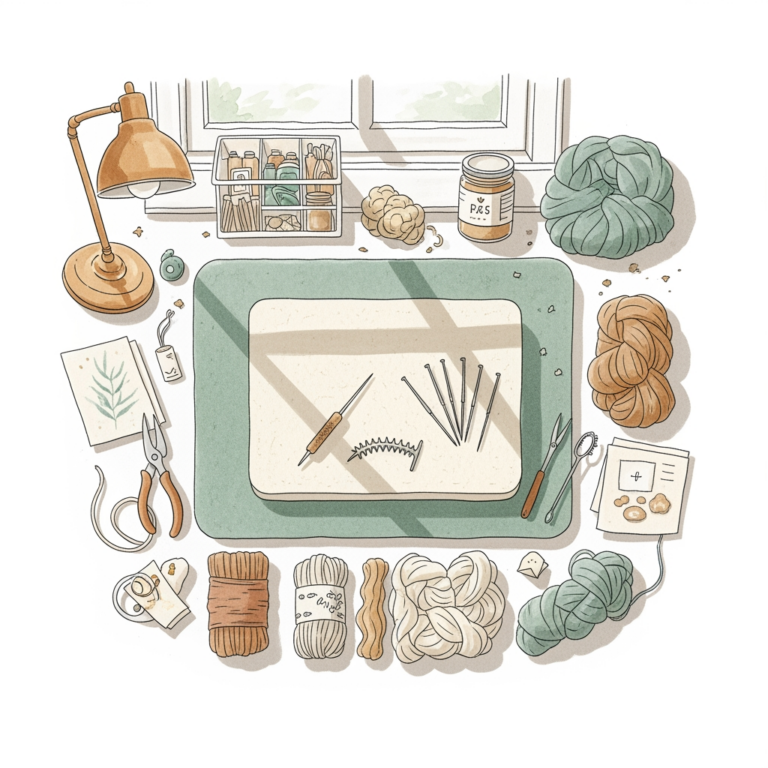
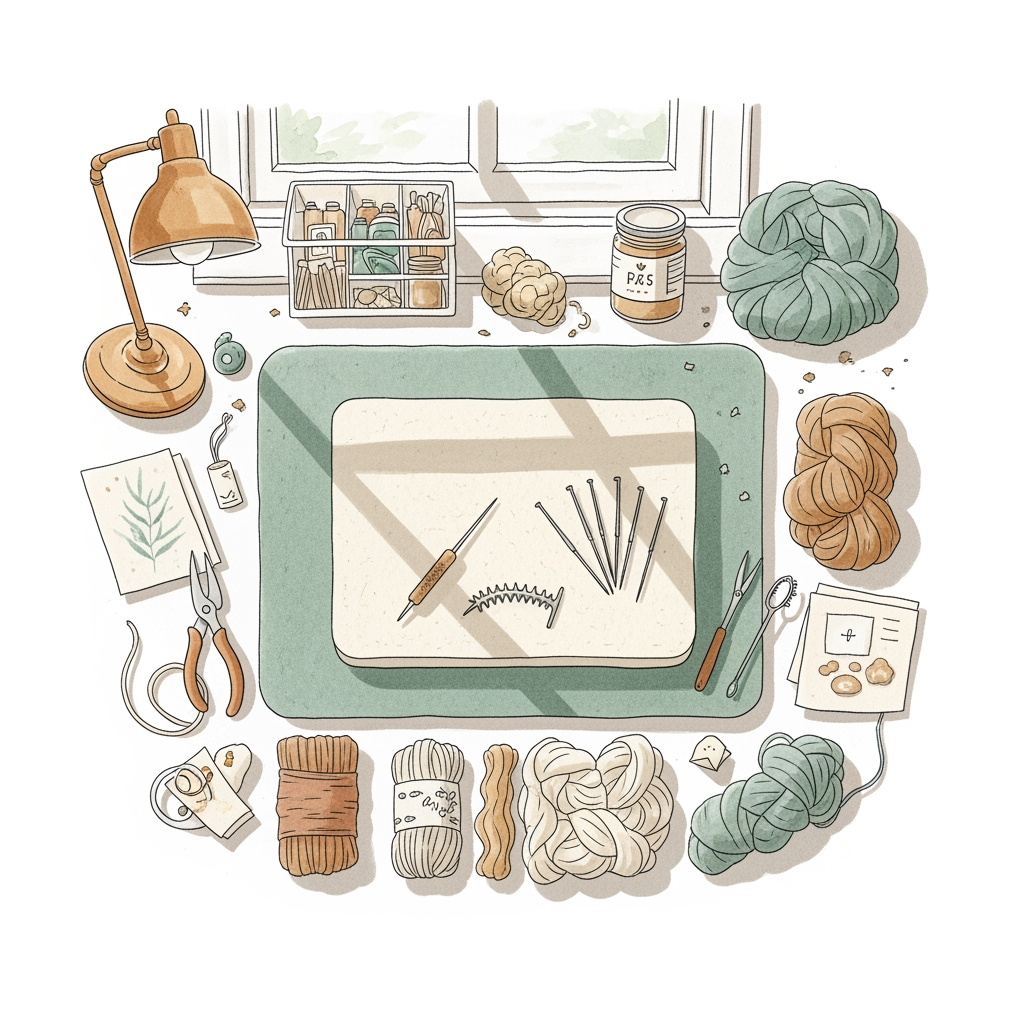
Needle felting is a delicate process that requires a sturdy foundation to protect both the tabletop and the fine tips of felting needles. Without a proper surface, needles break easily against hard wood or glass, leading to frustrating interruptions in creative work. A high-quality punch pad acts as a shock absorber, allowing the barbed needle to pass through the fiber and into the mat without resistance. Choosing the right tool ensures that every puncture is precise, clean, and safe for both the workspace and the finished piece.
Clover Needle Felting Brush Mat: Best Overall


The Clover Needle Felting Brush Mat features thousands of stiff, upright nylon bristles that allow felting needles to pass through easily. Because the fibers are held in suspension between these bristles, the mat prevents the fabric from getting stuck or compressed during deep punching.
This surface is ideal for intricate needle felting, such as sculpting facial features or attaching small appendages to a finished project. The bristles offer minimal resistance, which significantly reduces the frequency of bent or snapped needles.
The primary tradeoff is that loose fibers can accumulate at the base of the bristles over time. However, for those who value longevity and smooth movement, this remains the gold standard for long-term felting projects.
Heidifeathers Wool Mat: Best for The Pro’s Choice
Heidifeathers wool mats are crafted from dense, pressed wool, providing a firm yet yielding surface that mimics the natural resistance of fiber. Unlike synthetic foams, these mats do not shed tiny plastic bits into the project work, keeping the felt clean and free of debris.
The dense structure of the wool provides excellent feedback, allowing for very controlled needle depth. This makes it a preferred choice for advanced fiber artists working on precision-heavy sculptures or detailed embellishments.
Because it is made of natural material, this mat will eventually compress and take the shape of the work. It is an investment piece that demands respect, but it offers a tactile experience that synthetic materials simply cannot replicate.
Dimensions Felting Surface: Best for Beginners

The Dimensions Felting Surface is often found in entry-level kits and provides a reliable, no-nonsense platform for learning basic needle felting techniques. It is simple, effective, and provides enough cushion to protect table surfaces from errant needle strikes.
Beginners often struggle with inconsistent needle depth; this pad provides a clear visual and physical limit. It is an excellent choice for those practicing basic 3D shapes or flat appliqué on woven fabrics.
While it lacks the heavy-duty density required for large-scale professional sculptures, it is perfect for smaller projects. It allows new makers to focus on technique without worrying about damaging their furniture.
Woolbuddy Foam Pad Set: Best Value for Money

Woolbuddy foam pads are designed for durability, offering a thicker density that stands up to repeated use without crumbling quickly. These pads are an excellent value because they offer a larger surface area than most entry-level blocks, providing extra room for large-scale projects.
These pads are particularly useful for those who work with coarser wools, which can be harder on standard foam surfaces. The density allows for firm, punchy work without the mat losing its structural integrity after just a few hours.
Because foam eventually breaks down, these are best viewed as mid-term workhorses. Their thickness provides peace of mind when working on delicate surfaces that require absolute protection from stray needles.
Dritz Felting Foam Block: Most Widely Available

The Dritz Felting Foam Block is the quintessential option for those needing an immediate solution from a local sewing supply shop. It is a dense, synthetic foam that provides a stable base for standard needle felting tasks.
While it is widely accessible, the foam is somewhat softer than specialized artisan mats. Over time, it will develop “craters” from repeated use in the same spot, which is a common byproduct of the material’s composition.
This block is an ideal choice for the casual crafter who wants to finish a quick project without waiting for specialized equipment. Simply rotate the pad frequently to extend its life and ensure a flat working surface.
Akerworks Felting Mat: The Eco-Friendly Pick

The Akerworks felting mat is designed for the environmentally conscious fiber artist who wants a high-performance, sustainable alternative to disposable foams. It is crafted to be durable, often lasting far longer than standard synthetic blocks.
The material provides a distinct, crisp sensation when the needle strikes, which can improve accuracy and reduce hand fatigue. It sits securely on the table, preventing the sliding that often occurs with lightweight, inexpensive foam pads.
This mat is a significant step up from entry-level blocks and is designed for the serious crafter. The higher initial cost is offset by its extended lifespan and the reduction of plastic waste in the studio.
Generic High-Density Foam: A Budget-Friendly Bet
For those on a strict budget or working on large, one-off projects, high-density upholstery foam from a local hardware store can serve as an effective felting surface. It is often much larger than pre-cut craft pads, allowing for multiple work areas.
When sourcing this, prioritize the firmest density available to ensure needles do not hit the table underneath. Ensure the foam is not treated with fire retardants or chemicals that could react with delicate wool fibers.
The main drawback is that it lacks the specific optimization for fiber arts found in branded products. However, as a cost-effective, high-volume solution, it is a practical choice for the pragmatic maker.
Foam vs. Wool vs. Brush Mats: Which Is for You?
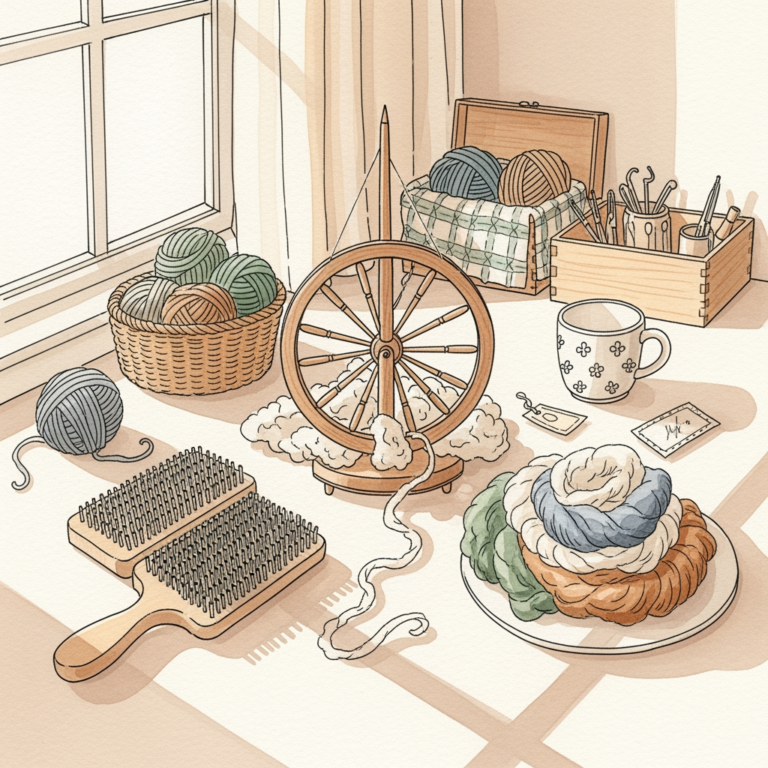
- Brush Mats: Best for detail work and needle longevity, but require periodic cleaning of trapped fibers.
- Wool Mats: Offer a professional, firm surface that is kind to needles and free from synthetic debris.
- Foam Pads: The most versatile for general crafting; they are affordable and easy to replace, though they eventually degrade.
The choice should depend on the project scale and how much “feedback” you prefer through the needle. If you work on tiny, precise sculptures, a brush mat is superior. For larger, structural pieces, a dense foam or wool mat will provide the necessary support.
How to Care For and Clean Your Felting Pad
To prolong the life of any felting pad, rotate the work area frequently to avoid deep grooves in a single spot. Once a foam pad becomes too soft or filled with fiber residue, it is time to replace it to prevent needle breakage.
For brush mats, use a wide-tooth comb or a dedicated brush cleaner to remove loose wool fibers that become trapped in the bristles. Keeping the mat clear of debris prevents the needle from hitting stray, felted tufts, which can lead to accidental needle snaps.
What to Look For When Buying a Punch Pad
- Density: A denser pad prevents the needle from hitting the table, which is the primary cause of needle breakage.
- Size: Ensure the pad is at least twice the size of your current project to allow for comfortable hand placement.
- Material: Consider whether you prefer the tactile, firm feedback of wool or the forgiving, easy-penetration nature of a brush mat.
- Safety: Always check that the mat is thick enough to handle the full length of your longest felting needle.
With the right surface, you will notice fewer broken needles and a much more enjoyable crafting process. Select your mat based on your primary project type and workspace needs to ensure the best possible results.