6 Best Mini Screwdrivers For Adjusting Hardware Worth Owning
Struggling with loose hardware? Discover the 6 best mini screwdrivers for adjusting hardware in our expert guide. Improve your toolkit and shop our top picks now.
Few things stall the momentum of a complex project faster than a snagged yarn connection on an interchangeable needle set. A loose join creates a microscopic ridge where fibers catch, split, and occasionally break, leading to uneven tension and frustration. Investing in a reliable, high-quality mini screwdriver ensures that every needle-to-cable transition remains seamless and secure. This guide explores the best tools for maintaining hardware and ensuring the smooth, snag-free knitting experience every maker deserves.
ChiaoGoo Tool Kit: Essential for Their Needles


ChiaoGoo interchangeable needles feature a signature hole in the threaded joint that is specifically engineered for a tight, mechanical lock. The T-shaped tightening pins included with their sets are functional, but a dedicated screwdriver with a comfortable handle provides significantly more leverage.
For those working with lace weight yarns or delicate silk blends, the ability to apply firm, consistent torque is non-negotiable. A loose connection here can lead to fibers snagging on the metal threads, ruining the structural integrity of the yarn over long hours of work.
These kits often include a small, high-quality driver that fits the pin holes perfectly without slipping. This precision prevents the marring of the metal, which can happen when using generic or makeshift tools that don’t seat correctly.
Knit Picks Tool Kit: A Must for Their Own Sets
Knit Picks needles are a staple for many due to their accessibility and vast array of materials, from laminated wood to nickel-plated metal. Their tightening tools are designed to work harmoniously with the proprietary diameter of their cable-to-needle attachment points.
When switching between slick nickel needles and grippier wooden options, the tendency to overtighten—or undertighten—is common. The right tool allows for a tactile “click” that confirms the connection is locked without stripping the soft metal threads often found on more affordable equipment.
Because these sets are frequently used by those transitioning from fixed needles to interchangeable systems, having a dedicated tool is vital. It eliminates the temptation to use fingernails or pliers, which can damage the finish and compromise the longevity of the hardware.
Wiha Precision Set: The Pro-Grade Option
For the knitter who values engineering and longevity, the Wiha Precision Set is the gold standard. These are not merely knitting accessories; they are professional-grade tools designed for electronics and watchmaking, translated perfectly into fiber arts maintenance.
The ergonomic handles offer superior grip, which is a lifesaver for those with hand fatigue or limited dexterity. A better grip means more control, allowing the user to seat the connection firmly without needing to exert excessive force that could strain the joints.
While the investment is higher, the durability of Wiha’s steel tips ensures they will never bend or snap under pressure. This is a “buy-it-once” tool that will likely outlast every interchangeable needle set in the collection.
iFixit Minnow Driver Kit: For Tiny Repairs
The iFixit Minnow kit is an overkill option for some, but a brilliant one for the technician-minded knitter. It provides a massive variety of bits, ensuring that no matter the brand or the strange proprietary screw head used on a specialty needle set, a fit will be found.
Beyond knitting, these kits are perfect for adjusting tension on sewing machines or tightening the tiny screws on knitting gauge rulers. It is the ultimate utility player for a maker’s workshop.
If there is a tendency to collect needles from multiple different manufacturers, this kit standardizes the maintenance process. It turns a drawer full of mismatched tools into one organized, highly effective system.
The Loome Tool: A Clever All-in-One Gadget

The Loome tool is designed with the multi-craft artisan in mind, blending needle maintenance with other fiber art necessities. It is an excellent choice for those who value minimalist kits and dislike carrying around handfuls of tiny, loose hardware.
Its compact design makes it an ideal addition to a “go-bag” for knitting retreats or travel. It sacrifices a bit of the leverage found in long-handled screwdrivers for the sake of extreme portability and versatility.
While it may not be the primary tool for a marathon session of heavy-gauge knitting, it is the most convenient option for quick adjustments on the go. It balances functionality with a sleek aesthetic that fits well in a project bag.
Cocoknits Screwdriver: Stylish and Functional
Cocoknits has cultivated a reputation for creating tools that are as beautiful as they are useful, and their screwdriver is no exception. Designed with the aesthetics of a high-end studio in mind, it performs admirably while looking polished on a workspace.
The weight and balance are specifically tuned for precision work, making it easy to apply the exact amount of pressure needed. It caters to the knitter who views their process as a curated experience, where every touchpoint—from the yarn to the tool—matters.
Functionally, it fits the standard needle attachment points with satisfying snugness. It bridges the gap between utilitarian shop tools and the refined world of luxury knitting accessories.
Why a Real Screwdriver Beats a Tightening Key
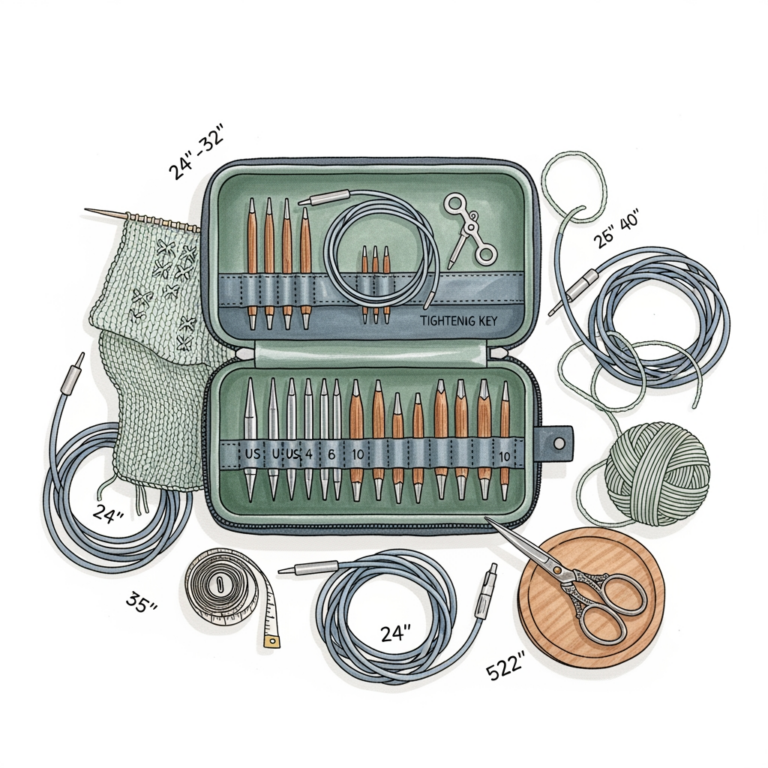
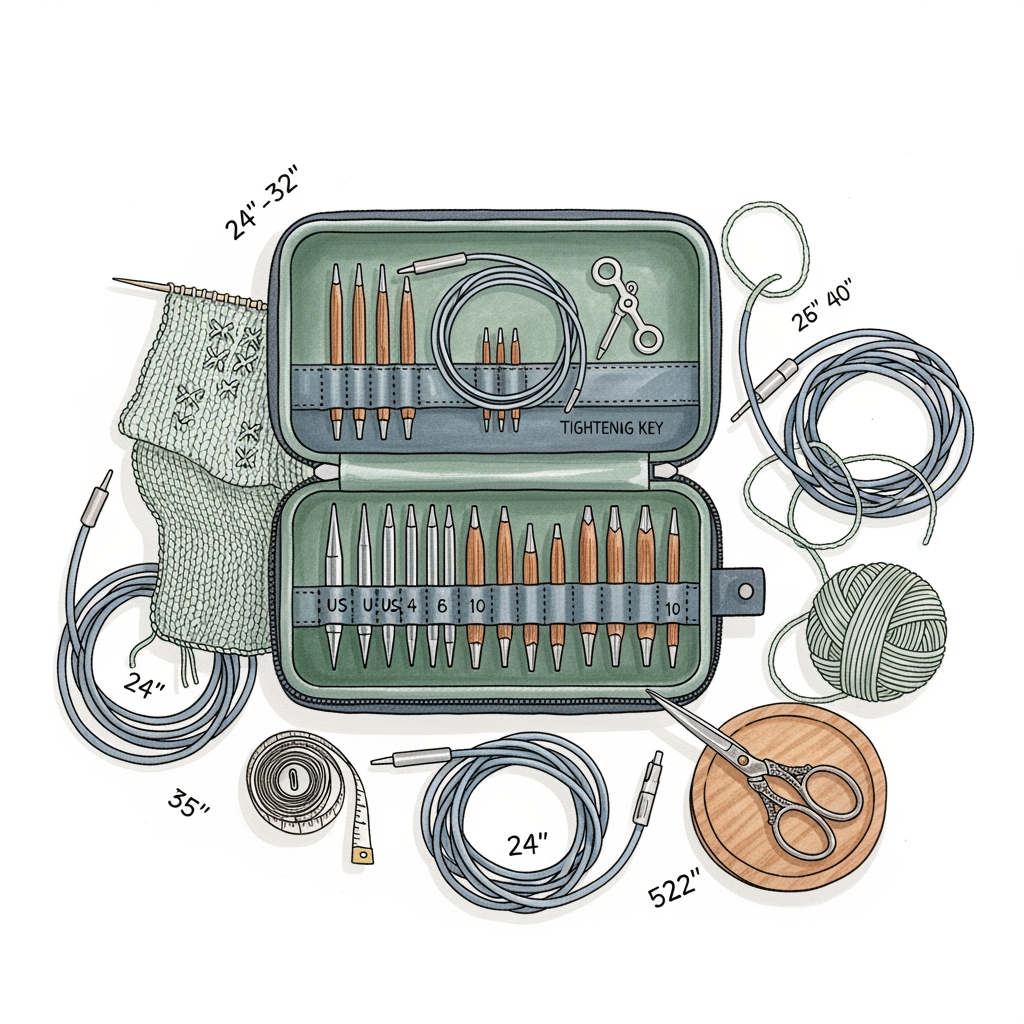
Many interchangeable kits come with a simple, bent-wire key or a thin metal pin. While these are adequate for an initial setup, they lack the mechanical advantage provided by a proper screwdriver handle.
A handle allows the user to apply force across the palm rather than pinching a thin wire between two fingers. This reduces repetitive strain, which is crucial for makers who spend hours working on large projects like blankets or sweaters.
Furthermore, keys often lack the ability to provide “fine-tuned” tightening. A screwdriver allows for small, incremental adjustments that ensure the connection remains tight even as the needle is subjected to the repetitive tension changes inherent in the knitting process.
Choosing the Right Tip for Your Needle Brand
Not all interchangeable needles use the same thread pitch or pin-hole diameter. Using a tool that is slightly too small can cause the pin to slip and gouge the metal, while one that is too large will fail to seat entirely.
- Stainless Steel Needles: Require precise, hardened steel tips to prevent slippage on the smooth, polished surface.
- Wooden/Bamboo Needles: Benefit from tools with slightly more “grab” to avoid scratching the softer material near the joint.
- Proprietary Systems: Always check if the brand uses a unique thread size; if so, sticking to the manufacturer’s own tool or a highly adaptable bit set is essential.
Always test the fit before applying force. If the tool feels loose or wobbly in the hole, stop and evaluate if the tip size is truly compatible with the brand.
How to Properly Tighten Interchangeable Needles
The golden rule of tightening is to never overtighten; once the joint is flush and the needle feels secure, the task is complete. Over-torquing can lead to stripped threads, which is a terminal failure for a needle tip.
When assembling, hold the cable near the base and rotate the needle onto the cable, then use the tool to give it that final, decisive quarter-turn. Always double-check the connection after finishing a few rows, as the natural rotation of the knitting process can occasionally cause micro-loosening.
If a connection feels “gritty” when being threaded, stop immediately. Check for debris or yarn fibers caught in the threads, clean them with a soft brush, and try again to ensure a smooth, silent join.
More Than Needles: Other Tools to Maintain
A well-maintained knitting kit extends beyond just the needle-to-cable connection. Periodically checking the screws on stitch counters, adjusting the tension on yarn ball winders, and keeping gauge rulers clean are all part of the maintenance cycle.
A small set of precision tools keeps a craft room running smoothly. It saves money in the long run by preventing the need to replace hardware that could have been easily adjusted or repaired.
Treating tools with the same respect as the fibers themselves leads to a more professional, enjoyable craft. When the equipment works as well as the hands, the knitting process flows effortlessly from the mind to the finished piece.
With the right tool in hand, the mechanical aspects of knitting fade into the background, leaving nothing but the rhythm of the needles and the satisfaction of a beautifully crafted project. Investing in a quality screwdriver is a small step that yields significant rewards in both project longevity and personal comfort.