7 Best Sewing Loops For Quick Closures To Use
Discover the 7 best sewing loops for quick closures to simplify your projects. Read our expert guide now to find the perfect fastenings for your next design.
Finishing a hand-knit garment requires more than just weaving in ends; it demands closures that honor the drape and structure of the textile. Choosing the wrong loop can distort a delicate lace pattern or cause a heavy wool cardigan to sag at the placket. These seven closure types provide the necessary functionality for various weights and styles, ensuring the garment remains as beautiful as it is wearable. Selecting the right hardware turns a project from a homemade craft into a polished, professional piece of knitwear.
Dritz Frog Closures: Best for Coats & Jackets


Frog closures offer a structural, decorative solution for garments that carry significant weight, such as heavy-gauge, worsted, or bulky sweaters. The elaborate braiding distributes tension across a wider area of the knitting than a single button, which helps prevent holes from forming in the fabric over time.
These are best reserved for outerwear where the focal point is the closure itself. Because they are typically rigid, avoid placing them on areas of the garment that require high flexibility or stretch, as they will pull the fabric out of shape.
Opt for these when working with felted wool or thick, tightly twisted yarns. They act as a stabilizing anchor, preventing the placket from bowing under the weight of the garment’s body.
Chinese Knot Buttons: Top Choice for Fine Detail
Chinese knot buttons, or frog-style toggles, work exceptionally well for lighter-weight projects like silk-blend shells or fingering-weight cardigans. They add an elegant, intentional aesthetic detail that feels like a deliberate design choice rather than a functional afterthought.
Because they are made from thin cord, they do not add unnecessary bulk to the edge of a delicate knit. This makes them ideal for pieces that rely on a refined silhouette or soft drape.
Keep in mind that these require precise placement to ensure the loop stays closed during wear. Secure the buttons with a matching thread color, taking care to stitch through the non-stretch structural parts of the knit to avoid distorting the stitches.
Dritz Hook & Eye Tape: For Bodysuits & Corsets
When working with form-fitting knit garments that require a high degree of tension, hook and eye tape is the industry standard for a reason. It provides a consistent, flat closure that won’t gap, making it perfect for gussets, waistbands, or front-fastening camisoles.
The beauty of this tape lies in its mechanical reliability. While a single button might pop open under strain, the tape distributes the load across multiple points, ensuring the garment stays securely in place.
Use this tape when the knit fabric is highly elastic, such as a ribbing made with a high spandex content. Sewing the tape onto a non-stretch ribbon facing before attaching it to the knit will provide the necessary structure to prevent the metal from tearing through the yarn.
Elastic Button Loops: Best for Fitted Garments
Elastic button loops provide the forgiveness necessary for projects where fit is tight and movement is constant. They bridge the gap between two edges while allowing for a small amount of “give,” which prevents the buttons from pulling at the buttonholes.
These are particularly useful for garments made from high-memory wools or structured blends. They allow for a precise fit without the risk of the garment feeling restrictive or binding around the chest or waist.
Avoid over-stretching the elastic during the attachment process. If the loop is pulled too tight during installation, it will lose its shape and longevity long before the garment reaches the end of its life.
Leather Toggle Closures: For Rustic Outerwear

Leather toggle closures provide a rugged, tactile appeal that complements rustic, hand-spun, or thick-ply wool sweaters perfectly. The natural material mimics the organic feel of the yarn, creating a cohesive look that synthetic plastic toggles often fail to achieve.
These closures act as a visual heavy point, pulling the eye toward the center front of the garment. They function best when paired with a sturdy, dense knit, such as an aran or fisherman’s rib pattern.
When choosing leather, ensure the backing is smooth so it doesn’t snag delicate fibers. Always check if the leather is colorfast, as the tannins can potentially bleed into lighter-colored yarns during cleaning.
Prym Anorak Lingerie Clips: Modern, Sleek Style
Anorak-style lingerie clips offer a streamlined, minimalist approach to closures for modern knit silhouettes. They are designed to be unobtrusive, making them the superior choice for minimalist sweaters or clean-lined cardigans where the knitting pattern—such as stockinette or brioche—is meant to be the star.
Their low profile means they are less likely to catch on bags or jewelry during daily wear. This makes them a practical, durable choice for everyday layering pieces.
Since these clips are metallic and firm, they require a reinforced placket. Always integrate a narrow strip of interfacing or a stable ribbon behind the knitting where the clip sits; this prevents the metal from distorting the surrounding stitches or pulling a “run” in the yarn.
Hand-Chained Thread Loops: Ultimate Custom Fit
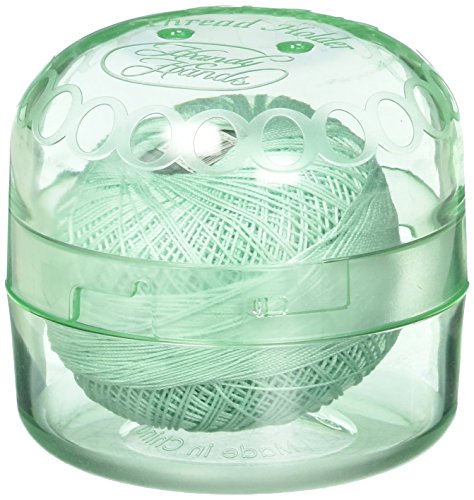
Hand-chained thread loops are the quintessential finishing touch for high-end, custom-fitted garments. By crafting the loop from the same yarn used in the project, the closure achieves a seamless, monochromatic look that integrates perfectly with the texture and tension of the piece.
This method allows for total control over the size of the loop, ensuring the button passes through with ease but stays secure. It is the most time-consuming method, yet it produces the most professional, bespoke results.
Use a crochet hook or a tapestry needle to form the chain, ensuring the stitches are tight and uniform. By incorporating a small amount of nylon sewing thread into the yarn when chaining, the loop will hold its shape indefinitely without stretching out.
Choosing a Loop for Your Fabric’s Weight
The weight and elasticity of the yarn are the primary factors in loop selection. A heavy-gauge fisherman’s wool will tear through a delicate thread loop, while a bulky leather toggle would overwhelm a lightweight lace shawl.
- For light/lace weight: Use hand-chained thread loops or Chinese knot buttons.
- For worsted weight: Elastic button loops or sleek lingerie clips work best.
- For bulky/heavy weight: Utilize leather toggles or braided frog closures.
Always consider the “memory” of the yarn. A superwash wool, which tends to grow and lose its original tension, requires a more stable, non-stretching closure than a traditional, high-crimp non-superwash wool.
How to Securely Attach Your Closure Loops
A closure is only as strong as the stitches anchoring it to the garment. Never attach a closure directly to a single layer of loose, airy knitting, as the weight of the closure will create a visible hole or sag over time.
Always create a “buffer” by reinforcing the inside of the placket with a piece of cotton tape, grosgrain ribbon, or a double-layered facing. Sew through both the reinforcement and the knitting to distribute the tension across multiple stitches.
Use a whip stitch or a mattress stitch when attaching, keeping the thread tension consistent with the knitting. This ensures the closure remains firmly attached without puckering the fabric of the garment.
Placement Tips for a Professional Finish
Precision is the difference between a homemade sweater and a boutique garment. Use a tape measure to mark closure points, checking for symmetry against the opposite placket before making a single stitch.
When calculating placement, account for the diameter of the button plus the depth of the loop. If the buttons are large, increase the distance between loops to prevent the placket from overlapping awkwardly.
Finally, steam-block the placket before finalizing the attachment of the loops. This ensures the knitting has reached its final resting state and the loops won’t shift once the garment is exposed to the weight and movement of regular wear.
Choosing the right closure is an essential skill that elevates the durability and aesthetic appeal of any knit project. By matching the mechanical requirements of the hardware to the physical properties of the yarn, every maker ensures their hard work lasts for years to come. Take the time to select and secure these details with care, as they serve as the final punctuation mark on a successful garment.