7 Best Book Bags For Travel That Keep Gear Organized
Keep your gear secure and organized on the go. Discover our expert list of the 7 best book bags for travel and find your perfect carry-on companion today.
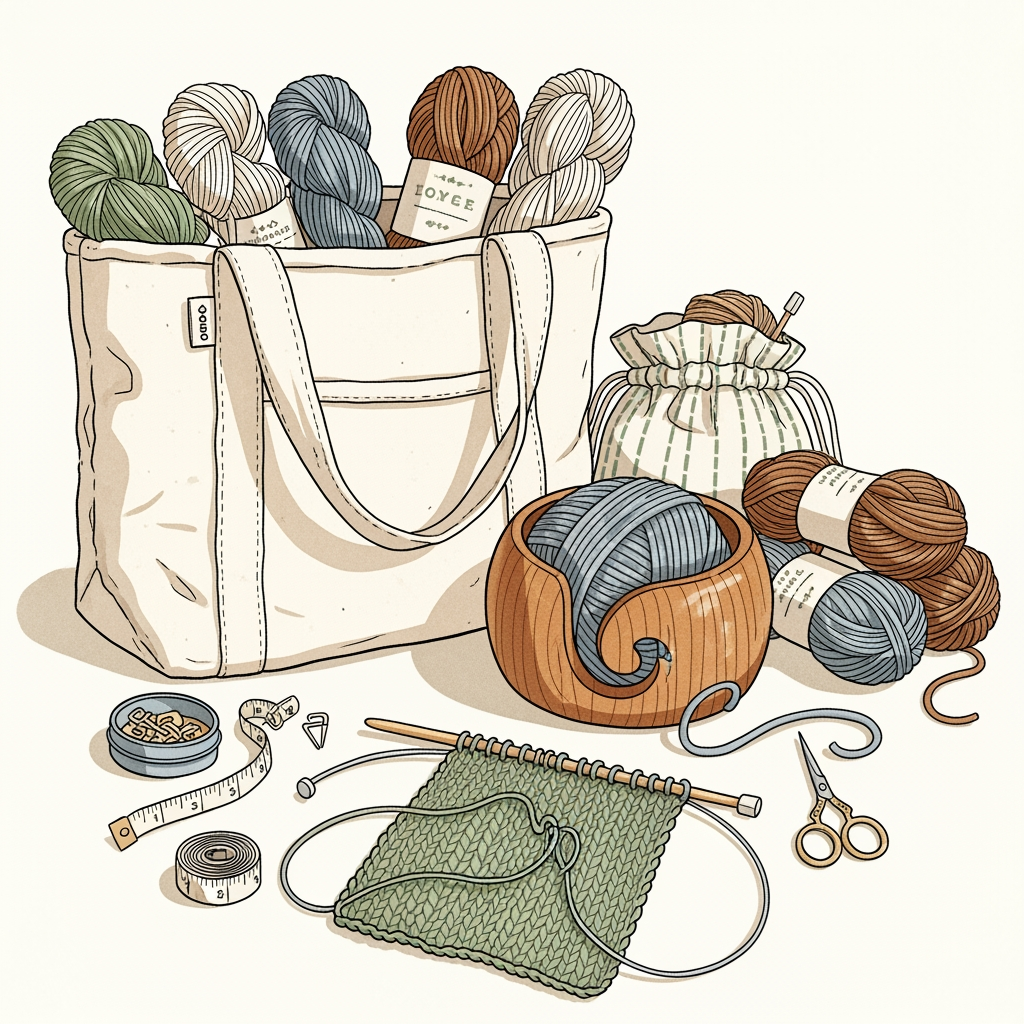
Traveling with knitting projects requires a delicate balance between accessibility and security. A project bag must protect delicate lace yarn from snags while keeping needles within arm’s reach for those long stretches in a terminal. The best bags don’t just hold gear; they act as a mobile workstation that adapts to the constraints of travel. Choosing the right vessel ensures that your focus remains on the rhythm of your stitches rather than hunting for a dropped stitch marker under a seat.
The Fringe Supply Co. Field Bag: Best Overall


The Field Bag is designed for the knitter who values efficiency without sacrificing aesthetic appeal. Its tall, narrow profile keeps yarn upright and tangle-free, which is essential when working with center-pull cakes that have a tendency to collapse and knot.
The clever grommet system allows yarn to feed through from the inside, meaning you can knit while the bag remains closed. This is a game-changer for working on stranded colorwork or complex cables, where keeping the yarn clean and separate prevents unnecessary friction that can compromise fiber integrity.
While the canvas construction is incredibly durable, it lacks the rigid padding of a tech bag. Consider adding a small protective sleeve if you are carrying expensive interchangeable needle sets to prevent the canvas from abrading delicate tips.
YARWO Knitting Tote: Best Budget-Friendly Pick

This tote is a practical solution for the knitter who wants dedicated storage without investing in premium materials. It features clear PVC windows, allowing for an immediate inventory of your notions, which helps when you need to quickly locate a tapestry needle or measuring tape during a layover.
The interior layout is surprisingly functional, offering specific pockets for circular needles and crochet hooks. By keeping needles organized by size, you avoid the common frustration of trying to guess needle diameters when light levels are low or when you are tired from travel.
Keep in mind that the synthetic materials used here may not breathe as well as natural fibers like cotton or wool. Avoid storing damp, freshly blocked projects inside this bag for extended periods, as the lack of airflow can trap moisture and lead to mildew.
Della Q Maker’s Canvas Tote: Most Stylish Carryall

Functionality often masks itself as high fashion with the Della Q Maker’s Tote. This bag features a lotus pin and yarn cutter, which effectively eliminates the need to pack scissors that might be flagged by security.
The waxed canvas exterior provides an impressive level of water resistance, protecting precious alpaca or mohair fibers from spills or damp environments. Because these fibers are prone to felting if exposed to excessive moisture and heat, the bag’s structural integrity offers a vital layer of environmental control.
While the bag is spacious, its sheer volume can lead to project migration where notions shift to the bottom. Pair this with small, labeled project pouches to keep your stitch markers and row counters from becoming lost in the depth of the main compartment.
GEO-METRY Canvas Tote: Best for Sweater Projects
Large-format projects like top-down sweaters require a bag that offers significant volume without being cumbersome. The GEO-METRY tote is engineered with a wide base that allows a half-finished garment to sit flat, minimizing the amount of creasing in the fabric.
When knitting garments that require multiple skeins of yarn, the ability to keep them from tangling is paramount. This bag’s generous interior keeps various yarn weights and colorways distinct, preventing the dreaded “yarn barf” that occurs when multiple balls collide during transit.
Be aware that because this bag is unstructured, it works best when your project is substantial enough to hold the bag’s shape. For smaller projects like socks or hats, you might find the bag feels overly cavernous and floppy.
Plystre Project Backpack: Best Hands-Free Option
Navigating an airport with a carry-on and a laptop bag leaves little room for a traditional tote. The Plystre Project Backpack distributes weight evenly across both shoulders, preventing the strain that occurs after carrying a heavy project bag through long terminals.
This bag is particularly suited for knitters who work with heavier, high-twist wool yarns that add significant weight to the overall project. Its design focuses on verticality, ensuring that your needles don’t slide out of your stitches when you transition from walking to sitting.
The backpack format does mean that accessing your project requires removing the bag entirely. This is a trade-off: you gain ergonomic relief and hands-free mobility, but you sacrifice the ability to knit “on the move” as quickly as you might with a shoulder tote.
Atenti Overnighter: Best for Multiple Projects
The Atenti Overnighter is built for the knitter who refuses to leave the house with only one project on the needles. Its substantial interior capacity easily accommodates both a main garment project and a smaller pair of socks or accessory work.
The bag’s wide opening ensures that you can reach inside without snagging your yarn on zippers or hardware. This is crucial if you are working with delicate, singles-spun yarns that are prone to breakage when caught on rough edges.
Because of its size, this bag may look bulky in a crowded seating area. Treat it as your primary carry-on item to maximize space efficiency and ensure that your secondary knitting supplies remain well-protected from the bustle of travel.
Tom Bihn Swift: Best for Maximum Organization
For the knitter who treats their craft like an engineering challenge, the Tom Bihn Swift offers unparalleled organizational options. Its draw-string closure provides a secure seal that keeps your yarn tucked away, even if the bag happens to tip over in the overhead bin.
The sheer number of pockets allows for the storage of every conceivable notion, from needle gauges to cable needles. By keeping your tools precisely categorized, you eliminate the mental load of searching for supplies, allowing you to enter a “flow state” almost immediately upon starting your session.
The main trade-off is the learning curve associated with its complex storage system. Take the time to map out where each tool goes before you leave; arriving at your destination without knowing where your scissors are stored defeats the purpose of the bag’s clever design.
What to Look for in a Travel Knitting Bag
- Closure Security: A secure drawstring or zipper prevents yarn balls from rolling into the aisles.
- Needle Protection: Look for dedicated slots that prevent needle tips from poking through the fabric.
- Material Breathability: Natural fibers like wool and silk require airflow to prevent odors.
- Weight Distribution: If you knit with heavy weight yarns, prioritize backpacks or bags with wide, padded straps.
- TSA-Friendly Notions: Choose bags with integrated tools or ensure your scissors are strictly under 4 inches.
Packing Your Project Bag for TSA and Travel
When preparing for travel, prioritize accessibility by placing your current project at the very top of the bag. Always carry a small, dedicated notion pouch that contains your primary needles, a few markers, and a small measuring tape; this way, you don’t have to rummage through the entire bag during a security checkpoint.
To prevent the most common travel disaster, ensure your yarn is properly wound into a center-pull cake before you leave. If you are worried about fiber migration, place your yarn inside a mesh produce bag within your project bag, which allows for airflow while keeping the yarn contained and protected from dirt.
Finally, consider the needles you pack for air travel. While most circular needles made of wood or plastic are perfectly acceptable, avoid carrying long, sharp metal needles that could be perceived as weapons by airport security; circulars are generally less problematic than straight needles in a carry-on environment.
Tote vs. Backpack: Which Style Is Best for You?
Choosing between a tote and a backpack comes down to your personal travel rhythm. Totes are ideal for the “social” knitter who wants to quickly pull out their needles during a brief wait at the gate, offering the fastest access to supplies.
Backpacks, conversely, are the superior choice for the long-haul traveler. They provide better ergonomic support and keep your hands free for managing luggage or boarding passes, which is essential if your project is a heavy, multi-skein sweater.
Ultimately, your project size should dictate the bag style. If you are working on a small accessory, a tote is more than sufficient; if you are midway through a complex, heavy cabled cardigan, the structure and weight distribution of a backpack will be your best defense against travel fatigue.
Selecting the right bag transforms travel time from a period of disruption into an opportunity for focused, uninterrupted making. Whether you prioritize ergonomic backpack straps or the sheer capacity of an overnighter, the ideal choice is one that simplifies your workflow and protects your materials. Once you have settled on the right organizational strategy, the stress of packing disappears, leaving only the joy of the next stitch.