6 Best Rosin Cleaning Cloths For Maintenance
Keep your bow and strings in top shape with our guide to the 6 best rosin cleaning cloths. Discover the best tools for instrument maintenance and shop now.
Maintaining pristine tools is just as critical as selecting the right yarn for your tension. Rosin buildup on accessories can lead to tacky, uneven friction that ruins the smooth flow of delicate lacework or intricate cabling. These six cleaning cloths represent the industry standard for keeping your gear in top shape for years of consistent use. Proper maintenance ensures that your equipment remains a faithful partner in every project you undertake.
D’Addario Natural Rosin Cloth: Best Overall


The D’Addario cloth stands out because of its balanced density, which excels at lifting stubborn, hardened residue without damaging the surface of your tools. It offers the ideal amount of traction to grip onto sticky buildup while remaining soft enough to prevent micro-scratches.
This is the reliable workhorse for those who find their tools accumulating debris during long sessions of high-tension knitting. If you are working with wools that have high lanolin content or sticky finishes, this cloth removes the tackiness that can otherwise snag your yarn.
Its durability means it withstands frequent use without fraying or shedding fibers into your workspace. The D’Addario is the definitive choice for the knitter who values a consistent, clean tool surface for every project.
Kolstein Rosin Cleaning Cloth: Pro’s Choice
Kolstein provides a heavy-duty solution for those dealing with significant buildup that requires more than just a light wipe. This cloth is engineered to tackle the thickest, oldest deposits with minimal pressure, preserving the integrity of your equipment’s finish.
Professional makers often prefer this cloth because it leaves behind zero residue, ensuring that needle surfaces remain slick and responsive. When you are performing complex maneuvers like bobbles or twisted stitches, that consistent lack of friction is essential for maintaining your flow.
It represents a premium investment in your kit, prioritizing longevity and performance above all else. Choose the Kolstein if you demand a professional-grade finish and frequently work with challenging, sticky materials.
The Original Pitch Pocket: Most Convenient
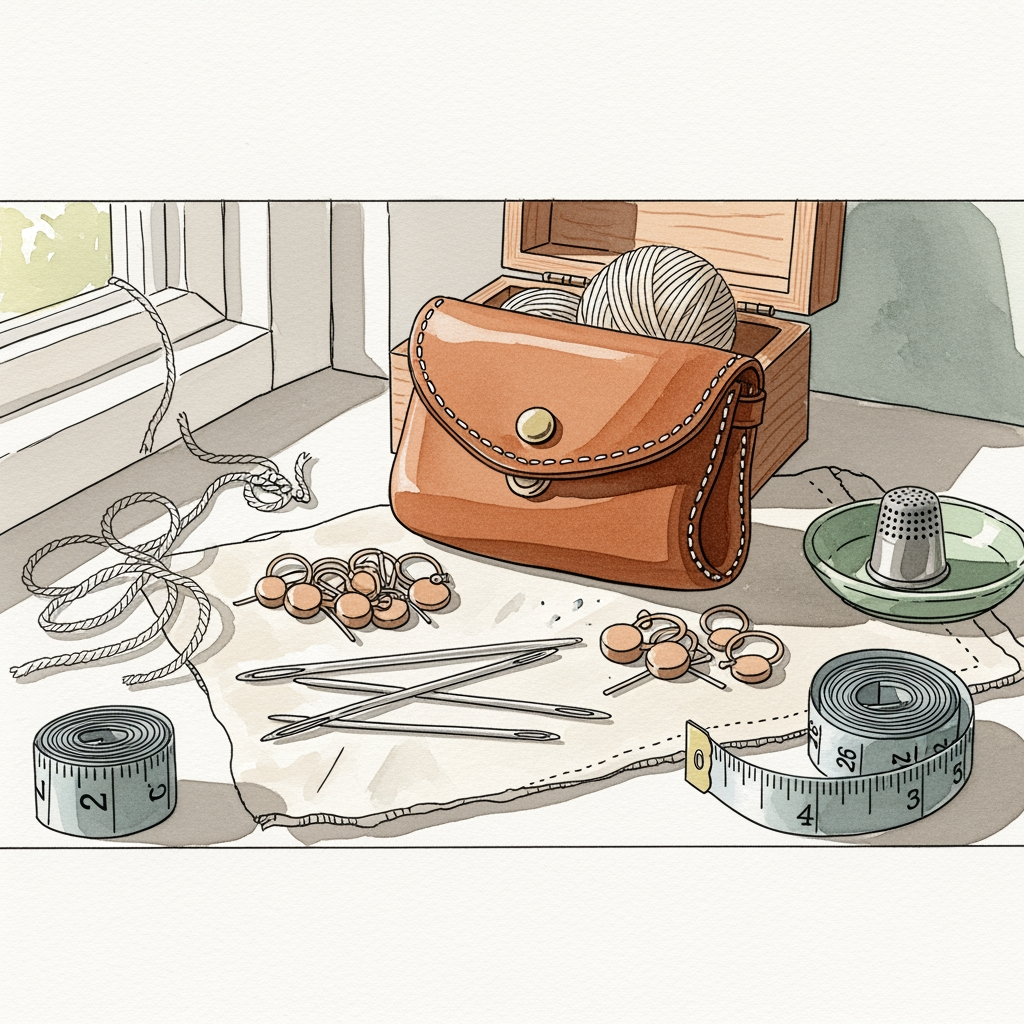
The Pitch Pocket provides a unique, self-contained solution for keeping your workspace tidy while on the go. Its compact design prevents the cloth from collecting dust and lint from your project bag, ensuring that the cleaning surface stays sterile and effective.
This level of convenience is a game-changer for knitters who participate in guilds or travel frequently with their projects. It eliminates the need to dig through notions bags for a clean rag, as the design inherently protects the cloth from cross-contamination.
Because it is always tucked away securely, you are far more likely to perform quick, routine cleanings during color changes. The Original Pitch Pocket is the ultimate accessory for the organized maker who prioritizes mobility and efficiency.
SHAR Microfiber Rosin Cloth: Best Value Pick
Microfiber construction allows this cloth to trap microscopic particles that standard woven cotton might simply push around. This makes it exceptionally effective at removing the fine, powdery dust that often accumulates on tools after hours of intense work.
While it is budget-friendly, the performance does not sacrifice quality for cost. It is a fantastic option for knitters who prefer to keep multiple cloths stationed in different project bags throughout the home.
The fine weave ensures that you reach the small crevices of your tools, such as the throat of a hook or the tip of a needle. If you want a high-performance cloth that fits comfortably into a minimalist budget, this is the superior option.
FiddlerShop Polishing Cloth: Gentle & Soft
The FiddlerShop cloth is crafted with a focus on gentleness, making it the perfect match for heirloom-quality or vintage tools. If you use polished wooden needles or specialized finishes that are prone to scratching, this soft cloth provides a safe, non-abrasive cleaning method.
Its soft texture works well for light, daily maintenance, preventing the accumulation of oils and environmental dust before it becomes a sticky problem. Using this regularly maintains a soft, natural luster on your tools without the need for harsh chemicals.
It feels significantly softer to the touch than synthetic alternatives, which adds a tactile pleasure to the cleaning process. Choose the FiddlerShop for its superior gentleness on delicate surfaces and high-end materials.
AmazonBasics Microfiber Cloth: Budget Option

These cloths prove that you do not always need specialized branding to get the job done effectively. Their high surface area makes them excellent for general-purpose cleaning, and the pack size ensures you always have a fresh cloth available.
These are particularly useful for cleaning larger equipment or organizing your entire tool chest in one go. While they may not have the specific density of purpose-built rosin cloths, they are highly effective at picking up the standard debris that accumulates during a week of knitting.
They can also be laundered repeatedly, providing a long lifespan that belies their low entry price. For the maker who keeps a large inventory of tools, the AmazonBasics bulk pack offers unmatched utility and value.
Why Clean Rosin Buildup From Your Tools?
Accumulated residue acts like a magnet for lint, dust, and stray fibers from your yarn. This debris creates unnecessary friction, which can significantly alter your gauge and slow your knitting speed.
When your needle or hook surface becomes tacky, you exert more hand and wrist pressure to manipulate the yarn. This leads to fatigue and potential discomfort over long projects like sweaters or blankets.
Maintaining clean tools ensures that the fiber glides effortlessly across the surface. A clean tool lets you focus entirely on your tension and stitch pattern rather than fighting against unwanted drag.
How to Use a Rosin Cleaning Cloth Correctly
Always start by wiping your tools in a consistent, longitudinal direction rather than a circular motion. This technique prevents the buildup from being pressed into small grooves or seams where your yarn might catch.
Apply light, even pressure and let the weave of the cloth do the heavy lifting. Avoid using any liquid cleaners or solvents, as these can strip finishes or warp natural wood tools.
If the residue is particularly stubborn, place the cloth over the area and hold it there for a few seconds before wiping. This allows the fibers of the cloth to lift the deposit gently without the need for abrasive scrubbing.
Natural vs. Synthetic Cloths: What’s Best?
Natural fiber cloths, such as high-quality cotton or specialized chamois, excel at absorbing oils and providing a streak-free finish. They are generally gentler on natural wood surfaces and provide a more traditional, tactile cleaning experience.
Synthetic microfiber cloths are designed for maximum particle capture, using tiny filaments to reach deep into microscopic surface pores. These are often superior for removing fine, dry dust that might be missed by softer natural fibers.
The choice depends entirely on your preference for feel and the specific finish of your tools. Synthetic options often hold up better to repeated use, whereas natural fibers offer a more luxurious, non-static experience.
Can You Wash and Reuse Your Rosin Cloth?
Most high-quality rosin cloths are designed to be hand-washed, which extends their life significantly. Use a small amount of mild, pH-neutral soap and lukewarm water, ensuring you rinse all residue out thoroughly.
Always air dry your cloths completely before storing them, as trapping moisture can lead to mold or mildew. Once the cloth is dry, give it a quick shake or snap to fluff up the fibers, which restores its cleaning efficiency.
If you notice the cloth has become permanently stiff or matted with deep-set grime that no longer releases, it is time for a replacement. A saturated, dirty cloth will only redistribute grime back onto your tools, defeating the purpose of the cleaning process.
Consistent tool maintenance is the hallmark of a seasoned maker who respects their craft. By incorporating these cleaning steps into your routine, you ensure that your equipment performs exactly as intended, project after project. Whether you opt for a professional-grade cloth or a budget-friendly bulk option, the act of cleaning your tools is an investment in your own comfort and the quality of your finished work.