6 Best Needle Point Sharpeners For Bamboo Tools
Maintain your bamboo tools with our top 6 needle point sharpeners. Discover durable, precision-engineered picks that ensure smooth, snag-free crafting results.
Bamboo needles are beloved for their natural warmth and gentle grip on slippery fibers, but their organic tips can dull or snag over time. Maintaining a precise point is essential for clean stitch formation and preventing yarn splitting during intricate lace or cable work. While many sharpeners exist, choosing the right tool for bamboo requires a delicate balance between material removal and surface integrity. This guide explores the best options to keep your favorite bamboo tools performing like new for years.
Clover Point Protectors: Best for Bamboo Tips


If you have ever pulled a project out of your knitting bag only to find a bent or blunted tip, you know the frustration of a snagged stitch. Clover Point Protectors are not sharpeners in the traditional sense, but they are the first line of defense in maintaining needle geometry.
By shielding the delicate bamboo points from impact, these protectors prevent the microscopic splintering that leads to dullness. They are particularly vital for fine-gauge needles where the tip is naturally more fragile.
Think of these as preventative maintenance. If you keep the tips protected, you will rarely need to reach for a sanding tool.
Boye Aluminum Emery Board: The Precision Choice
Sometimes a bamboo needle develops a tiny "burr" or a rough spot that catches the yarn mid-row. The Boye Aluminum Emery Board provides a controlled way to smooth these imperfections without shaving away too much material.
Because bamboo is a natural fiber, it is far softer than metal or carbon fiber needles. You must use a very light touch here; aggressive sanding will quickly change your needle size and ruin the taper.
Use the fine-grit side exclusively. If you find yourself needing the coarse side, the needle damage is likely too deep for a simple buffing.
Clover Needle Point Sharpener: Best Multitasker

This tool is a classic for a reason, offering a consistent abrasive surface that works well across various needle materials. For bamboo, it acts as a gentle polisher rather than a heavy-duty grinder.
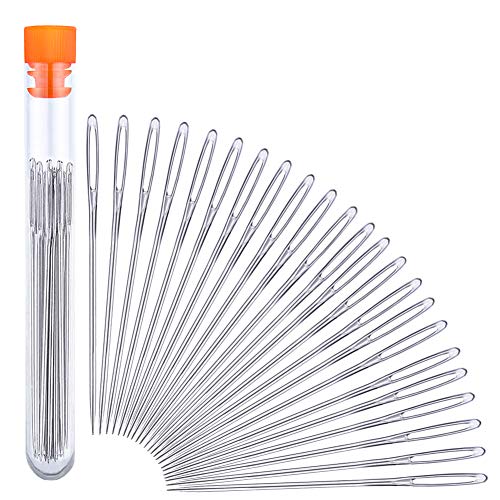
Its ergonomic shape allows for better control, which is the most important factor when working with natural wood. If you have a collection of mixed materials, this is a versatile addition to your notions kit.
Always work in a circular motion around the tip. This ensures you maintain the original taper rather than creating a flat, uneven edge.
Dritz Fine Grit Sanding Stick: Smooth Finish

When a bamboo needle has been used heavily, the finish can start to feel "tacky" or worn. A fine-grit sanding stick is the perfect tool for restoring that smooth, glide-friendly surface.
These sticks are narrow and maneuverable, allowing you to focus on the tip without disturbing the rest of the needle shaft. This is essential for maintaining your tension consistency across the entire length of the needle.
After sanding, the wood may feel slightly dry. A tiny drop of wood conditioner or even a natural wax can restore the bamboo’s original luster.
Susan Bates Needle File: For Deep Reshaping

Needle files are heavy-duty tools and should be used with extreme caution on bamboo. They are best reserved for instances where a needle has been dropped and the tip is visibly deformed or chipped.
Because these files are metal, they can remove material very quickly. You risk turning a 3.5mm needle into a 3.25mm needle in a matter of seconds if you aren’t careful.
Only use this tool if the needle is otherwise headed for the trash. It is a "last resort" repair option for your favorite pair.
Fiskars Detail Sanding Tool: Best for Control

The Fiskars Detail Sanding Tool is excellent for knitters who appreciate precision. Its small, retractable abrasive tip allows you to target specific snags on the bamboo surface with surgical accuracy.
This tool is ideal for those who knit with delicate, high-twist yarns where even the smallest splinter causes the yarn to fray. It allows you to smooth the wood until it is glass-like.
The retractable feature also keeps the abrasive surface clean when not in use. It is a sophisticated tool for the knitter who treats their gear with professional care.
Why Bamboo Needles Require Gentle Maintenance
Bamboo is a porous, organic material that reacts to humidity and friction. Unlike nickel-plated or stainless steel needles, bamboo can "fuzz" if the surface finish is compromised by rough handling or improper storage.
When the tip loses its factory taper, your stitch definition suffers. You may notice that you are "splitting" your yarn—a common issue where the needle pierces the ply of the yarn instead of sliding through the loop.
Gentle maintenance preserves the integrity of the wood fibers. Treat your bamboo needles like fine wood furniture, not industrial hardware.
Assessing Damage: When to Sand vs. Replace
Not every scratch warrants a repair. If you can feel a snag with your fingertip, it needs attention; if it’s just a cosmetic discoloration, leave it alone.
Deep gouges, cracked tips, or warped shafts are usually beyond repair. If a needle has developed a deep fissure, it will continue to snag your yarn no matter how much you sand it.
Know when to let go. A needle that has been sanded down significantly will no longer match its labeled size, which will throw off your gauge and potentially ruin your project’s fit.
Proper Technique for Buffing Bamboo Surfaces
Always sand in the direction of the taper, never against it. This prevents the bamboo fibers from lifting and creating more snags.
After sanding, use a soft cloth to buff the needle. This generates a small amount of heat, which helps seal the wood and creates a smoother glide for your yarn.
Clean your needles after sanding to remove any dust. Residual grit can transfer to your yarn, especially if you are working with light-colored, delicate fibers like silk or alpaca.
Essential Tips for Extending Bamboo Longevity
- Store in a case: Never let bamboo needles rattle around loose in a project bag.
- Avoid moisture: Keep needles away from extreme humidity, which can cause the wood to warp or swell.
- Rotate your needles: Don’t use the same pair for every project; let them "rest" to allow the natural oils to stabilize.
- Check for burrs: Run a scrap piece of nylon yarn over your tips before starting a new project to detect snags early.
By following these practices, you ensure that your bamboo needles remain your most reliable companions. A little bit of care goes a long way in preserving the tools that bring your creative visions to life.
Maintaining your bamboo needles is a simple ritual that pays off in smoother knitting and better stitch quality. By choosing the right abrasive tools and using them with a light, intentional touch, you can keep your favorite tips sharp and snag-free for years. Remember that your needles are an extension of your hands; treat them with care, and they will continue to serve your craft beautifully. Happy knitting!