6 Best Latch Hook Tools For Beginners To Try
Start your next craft project with confidence! Explore our guide to the 6 best latch hook tools for beginners and find the right gear to master this hobby today.
Latch hooking offers a tactile, rhythmic way to build lush pile rugs and wall hangings using simple loops of yarn. While the mechanics seem straightforward, the quality of the tool significantly dictates the pace of progress and the comfort of the hands during long sessions. Choosing the right hook involves balancing grip ergonomics, hinge tension, and overall durability. This guide evaluates top tools to help navigate the options and find the perfect match for the next textile project.
Boye Wooden Handle Latch Hook: Best Classic Tool
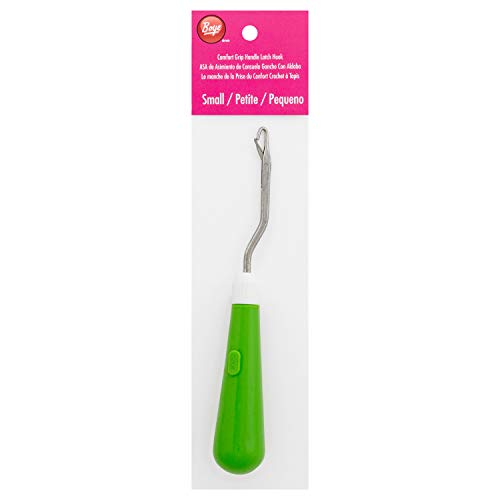

The Boye Wooden Handle Latch Hook remains a staple for those who appreciate traditional, utilitarian design. Its simple wooden handle provides a natural, slightly textured grip that many makers find more tactile than modern silicone or plastic alternatives.
For those who spend hours creating dense, long-pile rugs, the weight and balance of this tool feel substantial and reliable. It performs consistently, though the simplicity of the construction means it lacks the specialized tension control found in more advanced ergonomic models.
Consider this tool if the goal is a straightforward, no-nonsense experience that relies on proven mechanical simplicity. It is an excellent choice for a workshop setting or for beginners who want to understand the fundamental motion of latching without the distraction of complex grips.
Clover Latch Hook Tool: Best for Small Projects

Precision defines the Clover Latch Hook, making it an ideal choice for intricate, small-scale work. When focusing on detailed designs where specific color placement is required, the smaller, finer head of this tool allows for greater control over individual loops.
The construction of the Clover tool is notably refined, with a hinge that moves smoothly and consistently. This fluidity prevents the snagging of fibers, which is critical when working with finer yarns or more delicate backing meshes.
Use this tool specifically for wall hangings, coasters, or small pillows that require a delicate touch. It may feel slightly undersized for large-scale rug projects, but for detail-oriented tasks, it offers a level of finesse that standard, bulkier hooks simply cannot match.
Caron Latch Hook: Best for Acrylic Rug Yarns
Caron’s dedicated latch hook is engineered to handle the specific diameter and structural density of standard acrylic rug yarns. Acrylic fibers often have more “grip” or friction than wool, and this tool is designed to glide through those synthetic loops without catching or fraying.
The tool features a head size that sits squarely in the middle of the spectrum, providing enough clearance to pull thicker strands through the mesh without struggle. It balances well, ensuring the latch remains open at the perfect angle during the rhythmic motion of hooking.
If the primary project involves standard acrylic rug yarn, this tool offers the most predictable performance. Avoid using it with extremely delicate silk or fine-gauge natural fibers, as the hook is tuned for the durability and bulk of synthetic rug crafts.
Big-Handl Ergonomic Latch Hook: Most Comfortable
Hand fatigue is the most common reason creators abandon long-term fiber projects. The Big-Handl Ergonomic Latch Hook addresses this with a contoured handle designed to distribute pressure across the palm rather than focusing it on the thumb and fingers.
The design is particularly beneficial for those who struggle with arthritis or simply find that repetitive motions lead to tension in the wrist. By allowing for a looser, more relaxed grip, this tool enables longer periods of comfortable working.
While the ergonomic handle is bulkier than a traditional slim tool, the tradeoff in comfort is significant for large-scale floor rugs. Prioritize this option if the project timeline spans several weeks and requires hours of consistent, repetitive motion.
LatchKits by Play-Loom: Best Complete Kit
The LatchKits by Play-Loom package is the definitive entry point for those intimidated by the process of sourcing materials separately. It includes not only the tool but a pre-cut yarn set and a color-coded canvas, removing all guesswork from the beginning of the journey.
The hook included in these kits is designed for durability, standing up to the trial-and-error process inherent in learning a new craft. It functions well for the duration of the kit, providing a stable platform to learn the “loop-pull-lock” motion.
Choose this path if the objective is to complete a project successfully without the need for independent material selection. It serves as an excellent training ground, helping you learn how different yarns behave before moving on to independent, self-sourced rug making.
Susan Bates Comfort Cushion: Best Budget Pick

The Susan Bates Comfort Cushion hook proves that effective tools do not need to be expensive or overly complicated. It features a soft-touch, cushioned grip that provides just enough padding to mitigate strain without adding excessive bulk to the hand.
This tool is widely available and performs reliably, making it the standard choice for classrooms and group crafting sessions. The latch mechanism is simple and sturdy, capable of handling a wide variety of yarn weights and backing types.
When starting out, there is no need to over-invest in specialized equipment. This hook provides a consistent, comfortable experience at a lower price point, allowing you to focus your budget on higher-quality yarns instead of the hardware itself.
How To Choose Your First Latch Hook Tool
Selecting a tool should be driven by the scope of the project and personal physical comfort. Start by assessing the mesh size of the backing material, as the head of the hook must pass through the squares easily without stretching or distorting the foundation.
Consider the material of the handle as a primary factor for endurance. Silicone grips provide friction and comfort for long periods, while wood offers a classic feel that remains cool to the touch.
Test the spring tension of the latch itself by opening and closing it several times. If it feels too stiff, it will cause fatigue; if it is too loose, the latch may not clear the yarn properly during the hook-and-pull motion.
What Kind of Yarn to Use for Latch Hooking?
The ideal yarn for latch hooking is sturdy, consistent, and resistant to pilling under foot traffic. Acrylic rug yarn is the industry standard for beginners because it holds its shape and provides high volume at an affordable cost.
Wool is a sophisticated alternative for wall hangings and decorative pieces. It offers better stitch definition and a more natural luster, but it is often more expensive and prone to felting or wearing thin in high-traffic floor areas.
Regardless of the fiber, ensure the yarn is cut to a consistent length and has a slight “loft” to fill the mesh squares. Very thin or overly smooth yarns, such as cotton or bamboo, can slip out of the latch or fail to create a full, plush look.
Mastering the Basic Latch Hook Technique
The fundamental motion involves sliding the hook under the mesh, wrapping the yarn around the hook, and pulling it back through the loop. The “lock” happens when the latch closes over the yarn strand, preventing it from slipping out as it is pulled through the initial loop.
Rhythm is more important than speed. Once you establish a consistent count—hook under, wrap, pull, lock—the process becomes meditative and far faster than manual knotting.
Focus on keeping the tension consistent with every loop. If some loops are pulled tighter than others, the final rug or hanging will look uneven and patchy. Use your thumb to help guide the latch to ensure it clears the yarn strand on every single pass.
Troubleshooting Common Latch Hooking Issues
The most common issue is the latch failing to close properly, often caused by catching a piece of backing material or using yarn that is too thick for the hook. If the hook consistently snags, check for burrs on the metal or ensure you are clearing the mesh path before engaging the yarn.
If the yarn is pulling out, it is likely that the knot was not pulled tightly enough during the initial latching sequence. Every loop must be pulled firmly into a “cinch” position; otherwise, the pile will eventually work itself loose with use.
Finally, if the rug or project begins to curl, it usually indicates that the backing mesh has been distorted or that the yarn pile is too dense for the specific canvas being used. Always maintain a light, consistent hand and ensure the mesh is taut on a frame if working on large, complex patterns.
Latch hooking is a rewarding, restorative craft that rewards the patient maker with beautiful, textured results. By matching the right tool to a specific project and yarn type, you ensure a smoother process and a more professional final piece. Experiment with different handles and head styles as skills progress, and remember that comfort is the ultimate key to enjoying this tactile art form for years to come.