7 Best Drying Balls For Softening Alpaca Wool
Keep your alpaca wool garments soft and static-free. Discover the 7 best drying balls for delicate natural fibers and shop our top expert recommendations today.
Alpaca fiber is celebrated for its incredible loft, thermal regulation, and heavenly soft hand, yet it remains notoriously prone to felting when mishandled. When alpaca garments require a refresh, the laundry process often feels like a high-stakes balancing act between cleanliness and structural integrity. Dryer balls offer a mechanical way to fluff fibers without the heavy reliance on chemical softeners that can coat and dull the natural luster of luxury yarns. Selecting the right dryer balls ensures that those hours spent knitting intricate lace or complex cables are rewarded with a finished garment that retains its original, ethereal drape.
Smart Sheep Wool Dryer Balls: Best Overall Choice


These 100% premium New Zealand wool balls set the industry standard for density and durability. They are constructed with a tightly wound core that resists unraveling, even when subjected to the high-heat cycles that can otherwise compromise wool fibers.
The primary benefit for a knitter is the consistent, balanced agitation they provide in the dryer. By creating space between garments, they prevent heavy sweaters from clumping, which is essential for ensuring even drying and avoiding the dreaded “wet spots” that lead to mildew.
Because they are free of synthetic fillers, they pose no risk of leaving residue on delicate alpaca fibers. For the knitter who prioritizes longevity and basic functionality, this set is the most reliable workhorse.
Woolzies Organic Wool Balls: Premium Unscented Pick
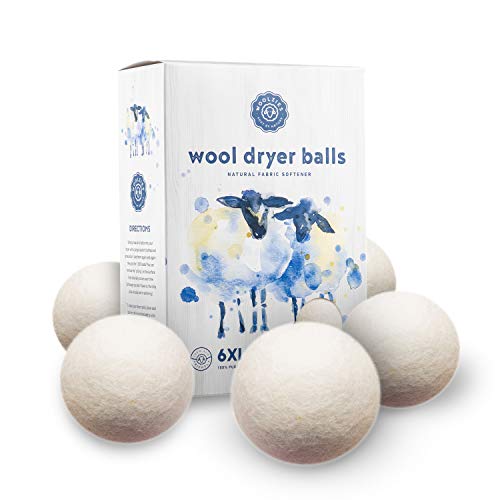
If the goal is to maintain the clean, natural scent of high-quality alpaca without the interference of artificial fragrances, Woolzies are the superior choice. These balls are crafted with a high-density weave that prevents the lint transfer common in cheaper, loosely felted alternatives.
When working with lighter-colored alpaca yarns, color fastness is a genuine concern; these organic, non-dyed balls eliminate the risk of accidental dye transfer. They are processed to be exceptionally smooth, reducing the friction that can cause pilling on high-twist yarns.
Choose these if you are laundering hand-knits that are intended for sensitive skin or infants. They provide the same softening benefits as competitors but with a refined finish that respects the purity of the fiber.
Kikkerland Hedgehog Dryer Balls: Fun & Functional
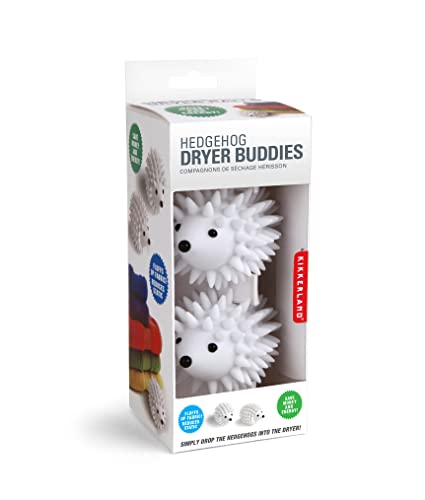
While many dryer balls rely solely on mass and weight, the hedgehog-shaped variety introduces structural “spikes” that provide a different type of mechanical action. These are particularly effective for breaking up static cling in dry, cold climates where alpaca fibers tend to fly away.
However, caution is advised for loose-gauge knits or garments with elaborate lace patterns. The protrusions can potentially snag delicate mohair-blend alpacas or loose, long-floated colorwork.
Use these for sturdy, tight-gauge accessories like alpaca-blend beanies or mittens. They are excellent at adding loft to fibers that have flattened over time, but they are generally too aggressive for delicate, hand-knit heirloom shawls.
Friendsheep Eco Dryer Balls: For Charming Designs
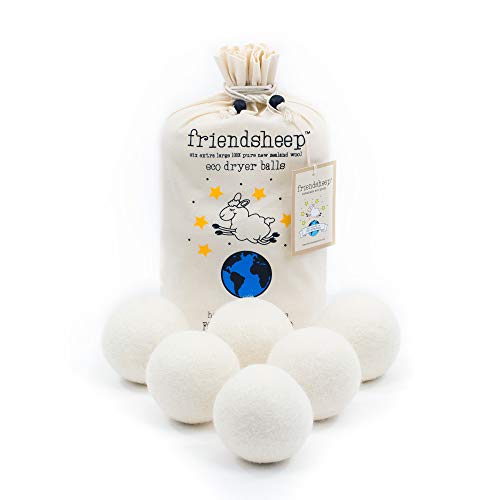
These balls are often hand-felted into whimsical shapes, which serves a practical purpose beyond aesthetics. The varying shapes and contours can help prevent garments from rolling into tight, dense balls during the tumble cycle.
Because they are often made from high-quality, ethically sourced wool, they maintain their structural integrity throughout dozens of cycles. The visual appeal makes them a favorite for knitters who appreciate the intersection of artisanal craft and household utility.
While they function well for most garments, they are best suited for projects knit with a standard, worsted-weight yarn. Avoid using these for very fragile, hand-spun fibers that might catch on any decorative surface details.
Budieggs Wool Dryer Balls: Ideal for Large Loads
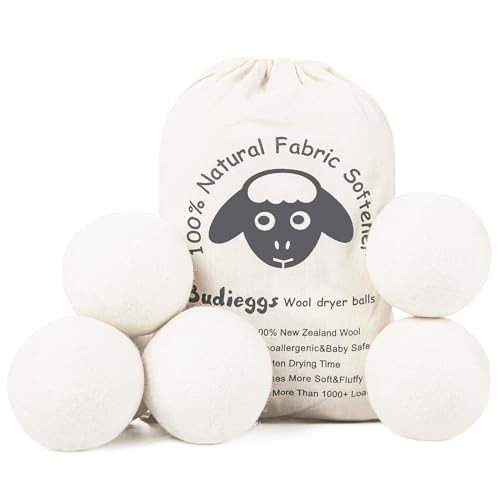
When laundering a large batch of alpaca-blend home goods, such as blankets or throws, you need a greater quantity of mass to facilitate airflow. These balls are designed to be used in larger sets, ensuring that heavy items remain separated and well-ventilated.
Their uniform size and weight are specifically calibrated for high-volume machines, preventing the imbalance that can occur if the load is uneven. This consistency helps protect the machine’s drum while ensuring every corner of a large project dries evenly.
For the knitter who frequently produces large-scale items, this is the most practical investment. They provide the necessary kinetic energy to fluff large areas of fiber without needing to constantly pause the dryer to rearrange the load.
Grove Co. Wool Dryer Balls: Top-Rated Value Option

Grove Co. offers a straightforward, no-nonsense approach to wool balls that performs reliably without the premium price tag of boutique brands. These are effective for everyday maintenance of practical items like socks or simple stockinette sweaters.
The construction is sturdy enough to last for several months of regular use, though they may begin to soften and lose their shape faster than dense, hand-felted options. This makes them an excellent entry-level choice for knitters who are new to using dryer accessories.
They function perfectly well for most commercially spun alpaca yarns, which are typically robust. For a budget-conscious knitter who needs a quick solution for maintaining a growing collection of knitwear, these represent the best balance of cost and utility.
Handmade Alpaca Dryer Balls: For Alpaca Purists
It is possible to find dryer balls made specifically from surplus alpaca fiber, which feels like a poetic choice for those obsessed with the material. Because alpaca fiber is smoother and less “barbed” than sheep’s wool, these balls are generally softer and gentler on the garment.
They provide a subtle, non-abrasive agitation that is ideal for the most delicate, hand-knit pieces. While they may not provide the same heavy-duty “beating” action as sheep’s wool, they are significantly less likely to cause pilling on extremely soft, fuzzy fibers.
If your stash consists primarily of luxury, high-micron alpaca, these are a thoughtful choice. They harmonize with the fiber properties of the garment, treating the alpaca with the same level of care you took during the knitting process.
Why Use Dryer Balls on Delicate Alpaca Garments?
The primary risk to alpaca knitwear in the dryer is the formation of a dense, matted texture caused by heat and prolonged stagnation. As a garment sits in one position, the fibers can bind together, especially if moisture is trapped in the center.
Dryer balls solve this by physically separating the fabric and lifting the pile. This increases the surface area exposed to warm air, significantly reducing the required tumble time.
Reduced tumble time translates directly to less friction, which is the leading cause of pilling in delicate alpaca yarns. By prioritizing efficient drying over long heat exposure, you preserve the structural integrity of your stitches and the beautiful, airy halo of the fiber.
Wool vs. Plastic Balls: Which Is Best for Fiber?
Plastic dryer balls are often designed with rigid spikes intended to “beat” the laundry, which is frankly too harsh for fine knitwear. Alpaca fiber, especially when damp, is susceptible to mechanical damage; rigid plastic can easily snag a loose strand, leading to pulled stitches or thin spots.
Wool balls, conversely, provide a soft, yielding mass. As they tumble, they compress and release, which is far more akin to a gentle hand-kneading process than an abrasive impact.
Wool also absorbs a small amount of moisture, which can help regulate the humidity inside the dryer. This prevents the static buildup that often leaves alpaca-knit sweaters clinging to the wearer.
A Knitter’s Guide to Using Dryer Balls Safely
Regardless of the brand, always exercise caution with high-end, hand-knit projects. Even the best wool balls can cause surface friction if the dryer is overloaded, so always ensure your alpaca items have plenty of room to tumble freely.
If you are concerned about snagging, place delicate lace or long-float colorwork projects inside a mesh laundry bag before adding the dryer balls. This allows the balls to move around the exterior of the bag, providing the necessary airflow without direct contact with the intricate stitch work.
Finally, always use the lowest heat setting available, or air-fluff, when working with alpaca. Dryer balls will accelerate the drying process, making high heat entirely unnecessary and potentially damaging to the fiber’s natural oils.
Selecting the right dryer balls is a simple yet vital step in the long-term care of your hand-knit collection. By choosing tools that respect the delicate nature of alpaca fiber, you ensure that your projects remain soft, structurally sound, and beautiful for years to come.