
6 Best Lens Filters For Creative Light Effects To Try
Elevate your photography with these 6 best lens filters for creative light effects. Read our guide to choose the right tools and transform your shots today.
Capturing the intricate texture of a hand-knit cable or the subtle halo of a mohair blend requires more than just a sharp lens; it demands control over light. Creative lens filters act much like selecting the right needle material or yarn weight, fundamentally altering how the final image reflects the maker’s vision. By manipulating light diffraction and diffusion at the point of capture, these tools save hours of post-processing time. This guide explores six essential filters that help translate the tactile beauty of fiber arts into stunning visual documentation.
Prism Lens FX Starburst Filter: For Dreamy Flares


The Prism Lens FX Starburst filter introduces geometric light spikes, turning mundane highlights into celestial patterns. When photographing a metallic project like a bead-encrusted shawl, this filter adds a professional sparkle that feels intentional and artistic.
It is particularly effective when working with high-contrast fibers that catch natural light, such as silk-blend yarns. By scattering point-source light, the filter draws the viewer’s eye to the deliberate shimmer of your stitches.
Be mindful that this effect can become overwhelming if overused. Reserve the starburst for projects that deserve a touch of magic, such as evening wear or holiday-inspired garments.
Tiffen Black Pro-Mist Filter: Cinematic Halation
Think of the Tiffen Black Pro-Mist as the visual equivalent of a delicate mohair lace shawl draped over a garment. It gently softens harsh transitions and introduces a subtle glow around highlights without sacrificing the crisp detail of the yarn texture.
This filter is a staple for those who find digital photography often looks too “clinical” or sharp. It helps smooth out skin tones while maintaining the intricate stitch definition of your lace or cables.
If the goal is to create a soft, inviting atmosphere that reflects the comfort of a finished knit, this is the gold standard. Choose a lower strength, like 1/8 or 1/4, for a subtle effect that remains natural.
Hoya R72 Infrared Filter: For Ethereal Photos
Infrared photography strips away the traditional visible spectrum to reveal light in ways the eye cannot perceive. When applied to knitwear, it transforms natural colors into high-contrast, dreamlike tones that emphasize the structural geometry of the piece.
Using an infrared filter requires patience and a tripod, much like managing a long-term project with complex colorwork. The resulting images offer a surreal, ghostly quality that elevates simple stockinette fabric into high art.
Be aware that most modern digital sensors have infrared-blocking filters, which can make this effect difficult to achieve without a converted camera. For those dedicated to unique editorial shots, this tool offers unmatched creative potential.
K&F Concept Nano-X Streak Filter: Anamorphic Look
The K&F Concept Nano-X Streak filter simulates the distinct horizontal light flares associated with high-end anamorphic cinema lenses. If the goal is to capture your projects with a sleek, dramatic, and wide-screen aesthetic, this filter delivers that bold look.
It works exceptionally well when filming or photographing finished garments in a studio setting with directed lighting. The result is a professional, high-budget appearance that makes a simple studio portrait look like a fashion editorial.
Use this when you want to emphasize the drape and movement of a large-scale project. It forces the viewer to focus on the silhouette of the piece rather than just the individual stitches.
Moment CineBloom Diffusion Filter: Best for Glow
Moment’s CineBloom filter excels at creating a creamy, “bloom” effect around highlights, similar to the soft focus of a vintage portrait lens. It effectively hides minor imperfections in lighting while enhancing the tactile appeal of woolly textures.
Unlike harsher diffusion filters, CineBloom maintains a high level of contrast, ensuring that your darks stay deep and rich. This is essential for showcasing the depth and dimension of dark-colored yarns or intricate patterns.
It is a perfect “set it and forget it” filter for everyday product photography. It softens the image enough to feel romantic and warm without making it appear blurry.
Urth Star Glimmer Filter: For Cross-Screen Stars
The Urth Star Glimmer filter provides a classic, multi-pointed star effect on bright highlights. It is a more symmetrical, organized alternative to the Prism Lens FX, creating a refined “twinkle” on reflective surfaces.
This filter is ideal for highlighting metallic threads, sequins, or silk-wrapped yarns that possess a natural luster. It creates a controlled, elegant point of light that doesn’t distract from the overall pattern.
Always consider the orientation of your light source when using this filter. Small adjustments to your angle can change the star pattern from a soft glow to a sharp, distinct focal point.
Choosing Your Filter’s Diffusion Strength Level
Diffusion strength is the variable that determines how much “dreaminess” is added to the scene. Lower strengths, such as 1/8 or 1/4, are subtle and maintain high sharpness, which is vital when you want to highlight the tension of a gauge swatch.
Heavier strengths, like 1 or 2, significantly soften the image and create a more intense atmospheric glow. These are best saved for wide-angle shots of finished pieces where the overall mood matters more than individual stitch anatomy.
Consider the “yarn weight” of your subject: use lighter diffusion for fine lace to keep the delicate work visible. For bulky, thick cables, a heavier diffusion can soften the edges and make the texture feel plush and inviting.
How to Find Your Lens’s Filter Thread Size Fast
Locating the thread size of your lens is as simple as reading the specifications printed on the lens cap or the barrel itself. Look for the Greek letter phi (ø) followed by a number, such as ø67mm.
If the markings are worn or missing, check the manufacturer’s website by searching for your specific lens model number. Avoid guessing based on the front element size, as the thread diameter is often different from the glass diameter.
If you rotate between different lenses, consider buying filters for your largest lens and using step-up rings. This allows you to use one filter on multiple lenses, much like owning a set of interchangeable circular needles.
Stacking Filters: Combining Effects Creatively
Stacking two filters allows for the creation of unique, hybrid looks that no single product provides. A common pairing involves stacking a diffusion filter for warmth with a streak filter for a touch of cinematic drama.
However, stacking introduces the risk of vignetting, where the edges of the frame become dark or blurred. Ensure your filters are “slim-profile” to avoid this mechanical interference, similar to how using overly thick cable needles can stretch your stitches.
Always place the filter with the most significant effect closest to the lens glass. Experimentation is key, but limit your stack to two filters to maintain image clarity and avoid ghosting artifacts.
Keeping Your Lens Filters Clean and Scratch-Free
High-quality glass filters deserve the same level of care as high-end knitting needles. Use a dedicated lens blower to remove dust particles before attempting to wipe the surface, as abrasive dust can leave microscopic scratches on the coatings.
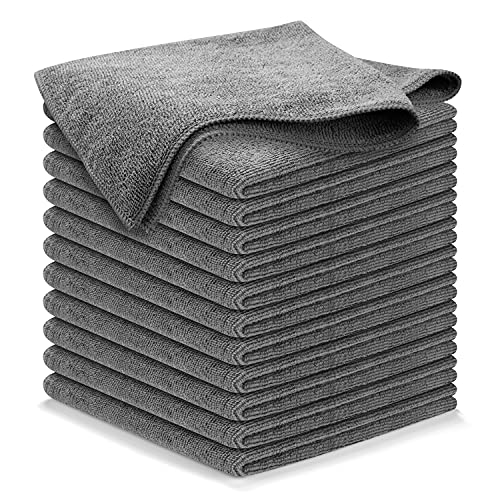
When cleaning becomes necessary, use a microfiber cloth specifically designed for optics and a gentle, alcohol-free lens cleaning solution. Avoid using paper towels or shirt tails, as the fibers can leave lint and potential scratches behind.
Store your filters in hard-shell cases rather than loose in a camera bag. Consistent maintenance ensures that the light-altering properties of your filters remain sharp and clear for years of project documentation.
Selecting the right lens filter is an investment in the narrative of your knitting. Whether aiming for the soft glow of a wool-mohair blend or the crisp detail of high-contrast colorwork, the right optical tool ensures your photography matches the craft you have poured into every stitch. Always start with one high-quality filter, master its effect, and expand the toolkit as your photographic vision grows.
