6 Best Non-Stick Surfaces For Glue-Heavy Projects
Tired of glue ruining your workspace? Discover the 6 best non-stick surfaces for glue-heavy projects and keep your craft area clean. Click here to read more now.
When crafting fiber art embellishments, fiber-wrapped structures, or complex mixed-media textile projects, adhesive management becomes as critical as tension control. A single drop of runaway glue can ruin hours of work on delicate mohair or high-twist silk yarns. Selecting the right non-stick surface ensures that messy residues peel away cleanly without compromising the integrity of your fibers. The following guide explores the top surfaces to keep your workspace pristine and your projects professional.
Ranger Non-Stick Craft Sheet: Best Overall


The Ranger Non-Stick Craft Sheet remains the gold standard for those who frequently work with hot glues or permanent fabric adhesives. Its Teflon-coated surface allows even the most aggressive glues to pop off once cooled, leaving no residue behind.
For knitters applying lace appliques or decorative beads to finished sweaters, this sheet provides a reliable, heat-resistant barrier. It prevents glue from bonding to your blocking boards or tabletop, ensuring your delicate woolens remain untouched by stray adhesive.
While it is lightweight and easy to roll for storage, it lacks a rigid base. Use it atop a hard, flat surface to ensure your glued elements don’t shift while curing.
Mod Podge Silicone Mat: Top for Decoupage
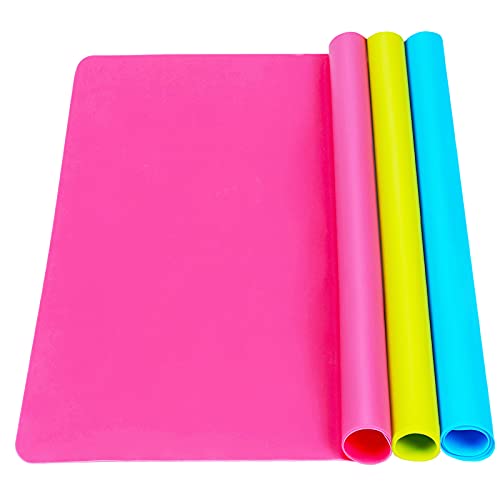
Silicone mats offer a unique “tacky” underside that keeps the mat itself anchored to your workspace. This prevents the frustrating sliding that occurs when applying glue to small, fiddly components like yarn-covered buttons or stiffened fiber ornaments.
The surface material is specifically engineered to resist the moisture found in decoupage mediums and water-based fabric glues. Unlike porous surfaces, it won’t absorb liquids, making cleanup as simple as wiping with a damp cloth.
Because it is thinner than glass alternatives, it is best suited for light-duty work. It is an excellent choice for detailed appliqué tasks where you need the mat to stay perfectly still while you position small yarn motifs.
We R Memory Keepers Glass Mat: Most Versatile

Glass mats provide a rock-solid, perfectly level surface that is indispensable when precision is required. Whether you are assembling complex geometric fiber art or structural needle-felted pieces, the rigidity of glass ensures your project maintains its intended shape.
The surface is entirely impervious to heat, glue, and even sharp needles. It serves dual duty as both a non-stick workspace and a cutting board, though caution is required with rotary cutters to avoid dulling blades on glass.
One potential tradeoff is the noise. If the sound of metal needles tapping against glass is distracting, placing a thin fabric liner underneath can dampen the acoustics without sacrificing the surface’s flatness.
Fiskars Self-Healing Mat: Best Dual-Purpose

Many fiber artists already keep a self-healing mat on hand for cutting pattern pieces or trimming fabric backing for knitting bags. While not inherently “non-stick” for heavy liquid glue, its dense, textured surface is surprisingly effective for light, temporary adhesive work.
This mat excels when you are performing precise measurements. The built-in grid lines are invaluable for ensuring that glued-on embellishments are placed symmetrically across the chest or sleeves of a garment.
Be aware that strong glues can settle into the “self-healing” cuts if you are not careful. Use a sheet of parchment paper as a barrier when working with runny adhesives to keep the mat’s texture intact for long-term use.
Reynolds Freezer Paper: Best Budget Option
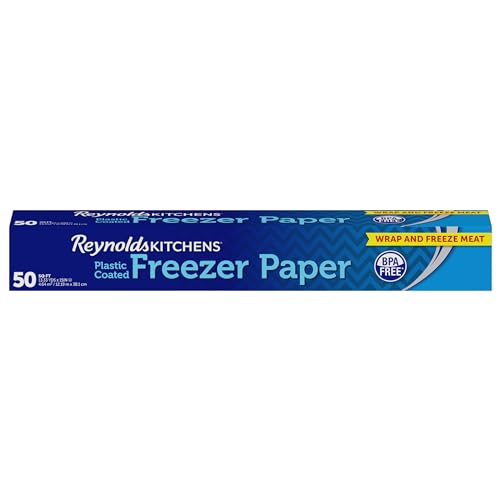
Freezer paper is a secret weapon in many professional fiber studios. Its plastic-coated side provides an instant, disposable non-stick surface that is effectively free of charge compared to specialized crafting gear.
For projects involving large amounts of fabric glue or messy dye resists, simply roll out a fresh sheet and tape it to your table. Once the project dries, peel the item away and toss the paper, leaving your workstation clean.
While it lacks the durability of silicone or glass, its convenience is unmatched. It is the ideal solution for one-off projects where you don’t want to worry about scrubbing dried adhesive off your permanent tools.
Arteza Silicone Craft Mat: Best for Large Areas
Large-scale fiber projects, such as assembling decorative wall hangings or massive mixed-media tapestries, require ample room to spread out. The Arteza mat provides a generous, expansive surface that accommodates oversized pieces without needing to splice multiple sheets together.
The silicone construction is remarkably flexible and heat-resistant. It can handle hot glue guns and iron-on adhesives with ease, making it a robust companion for varied construction techniques.
Because of its size, storage can be a concern. Plan to store it flat or loosely rolled to prevent permanent creases from forming in the silicone, which could create uneven spots in your work.
How to Choose the Right Non-Stick Craft Surface
Selecting the right surface depends on the nature of your adhesive and the scale of your work. Consider whether you need a permanent, high-heat surface or a portable, disposable solution.
If you frequently move between different craft areas, look for mats that are flexible and easy to pack. If you have a dedicated workshop, a heavy glass or thick silicone mat provides better stability for intricate, long-term assembly.
Always factor in the “curing” time of your chosen glue. Some adhesives require a specific temperature or humidity to bond correctly, and the thermal properties of your mat can subtly influence this process.
Silicone vs. Glass vs. Teflon: Which Is Best?
Silicone is the most forgiving material, offering grip and flexibility, but it can sometimes be difficult to remove fine dust or lint that settles into the surface. Glass is the most precise and durable but lacks the friction that keeps small parts from sliding.
Teflon sheets (like the Ranger mat) represent the best middle ground for extreme glue resistance. They are essentially inert, meaning almost nothing will bond to them, regardless of the chemical composition of the glue.
Balance your choice against your specific knitting needs. If you are working with delicate silk or loose mohair, a smooth Teflon sheet is often safest, as it minimizes the risk of snagging fibers on the surface.
Keeping Your Craft Mat Clean & Sticky-Free
Maintaining your surface is essential to ensure future projects aren’t compromised by leftover debris. For silicone mats, a simple rinse with warm water and mild dish soap is usually sufficient to restore the non-stick quality.
Glass surfaces should be cleaned with a glass cleaner or a mixture of vinegar and water to remove stubborn glue spots. Avoid using abrasive sponges, which can create micro-scratches where glue can build up over time.
For Teflon sheets, avoid scraping with metal tools. Use your fingernail or a plastic scraper to peel off dried adhesive, preserving the integrity of the coating for years of service.
More Than Glue: Other Uses For Your Craft Mat
A high-quality craft mat is rarely limited to adhesive tasks. These surfaces are perfect for blocking small, wet-blocked items like lace doilies or knitted swatches.
They also provide a protective barrier when using dyes, paints, or fabric stiffeners on fiber projects. Their non-porous nature keeps your workspace stain-free while you experiment with textures and colors.
Think of your mat as an extension of your knitting toolkit. When not gluing, it serves as a waterproof barrier for everything from steaming yarn to delicate needle-felting work.
Mastering your workspace environment is just as important as mastering your gauge. By choosing the right surface, you remove the unnecessary anxiety of messy accidents, allowing you to focus entirely on the creative process. Clear surfaces lead to clearer projects, ensuring your finished fiber art looks as refined as the stitches that created it.