7 Best Laminating Sheets For Durability That Last
Protect your important documents with our top 7 picks for the best laminating sheets. Choose the perfect durable option for your projects and shop the list today.
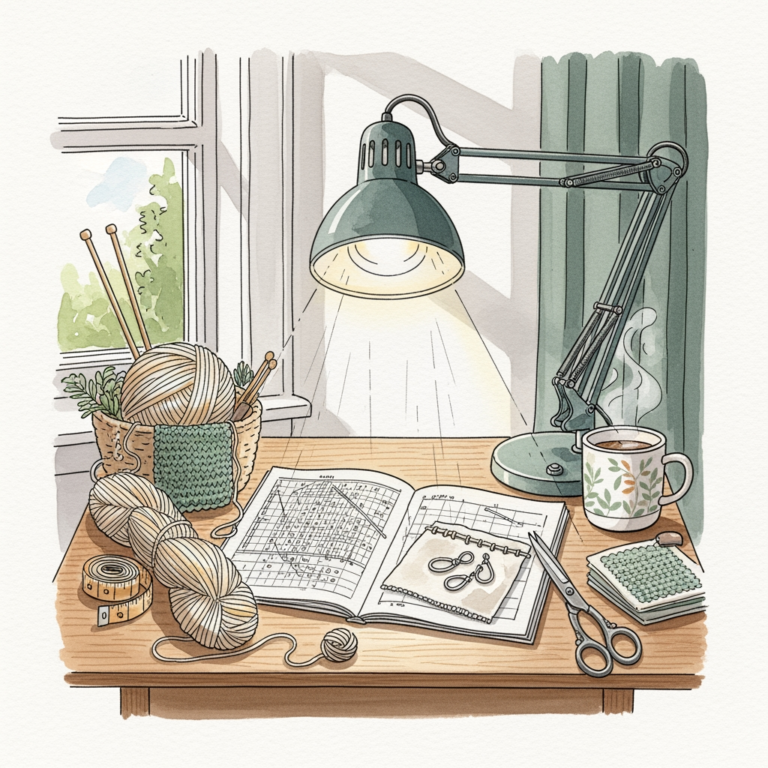
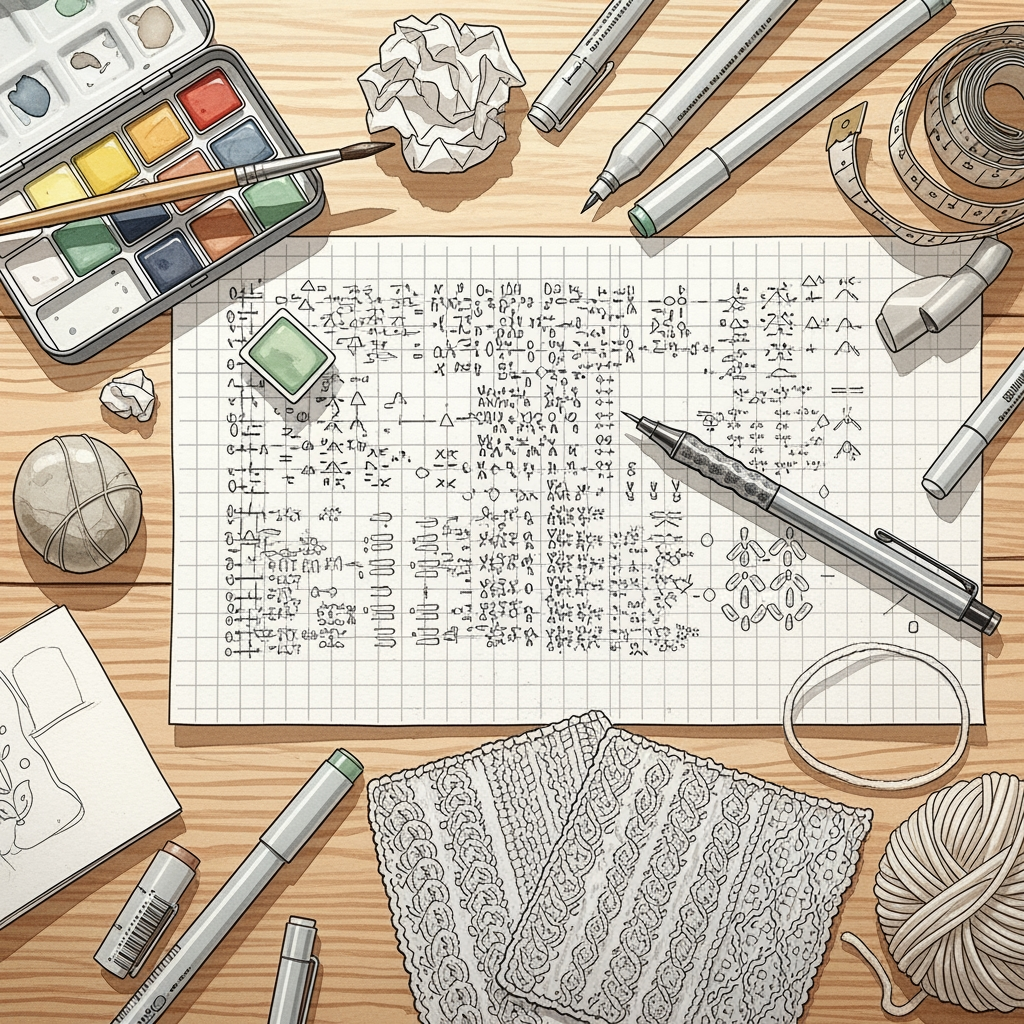
Patterns often carry the wear and tear of a long-term project, from being stuffed into project bags to being pinned to blocking mats. Protecting these essential guides ensures that stitch counts and chart symbols remain legible through years of use. Laminating sheets provide a crucial barrier against spilled tea, damp blocking environments, and the constant friction of flipping pages. Choosing the right lamination style is as vital as selecting the correct needle material for a specific yarn.
Scotch Thermal Pouches: Best for Overall Use


These pouches are the gold standard for most knitters, offering a consistent seal that prevents peeling at the edges. They handle standard printer paper well, making them ideal for bulky, multi-page lace patterns that need protection during complex transitions.
The thickness is sufficient to protect against the occasional drip of water or stray coffee splash. However, they remain flexible enough to fold into a knitting bag without cracking under the pressure of heavy yarn cakes or metal circular needles.
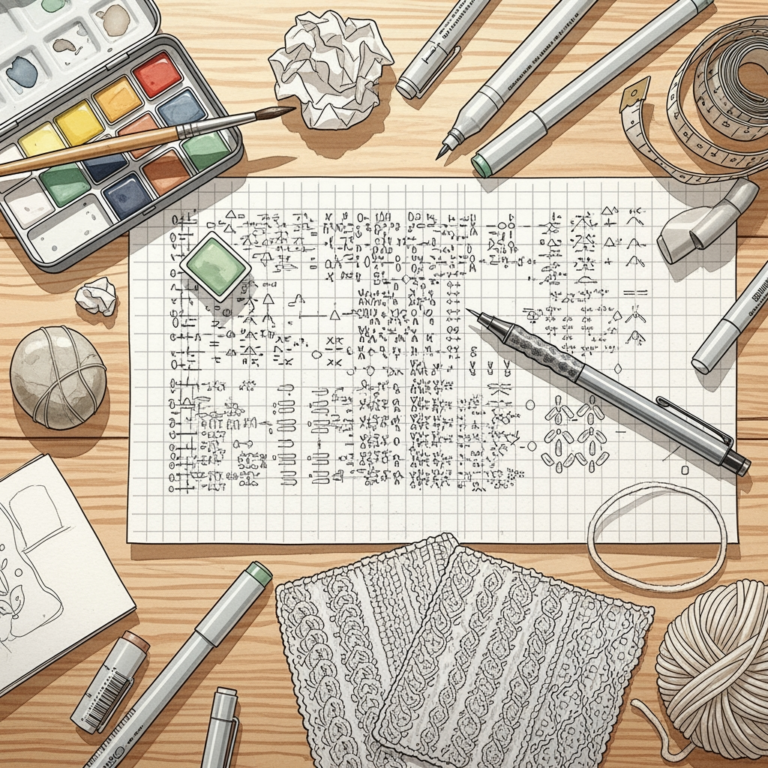
Because they offer a clear, high-clarity finish, intricate cable charts remain crisp and easy to read even under low light. For a standard pattern guide that stays on the crafting table, these provide the best balance of reliability and affordability.
Fellowes ImageLast Pouches: Most Rigid Protection

Rigidity is essential when a pattern needs to act as a stand-alone reference board near a workstation. These pouches contain directional indicators that vanish once the lamination is complete, ensuring the sheet is inserted into the machine correctly every time.
The thickness provides a structural integrity that prevents paper from curling, even in humid environments where yarn fibers tend to absorb moisture. This is especially helpful when working with delicate charts that require precise tracking of row counts.
While they are stiffer than standard pouches, they hold their seal exceptionally well over long-term use. If the goal is to keep a cherished master copy of a lace or colorwork design for decades, the extra rigidity is well worth the investment.
Amazon Basics Thermal Sheets: Top Budget-Friendly Pick
When a collection of stitch dictionaries or swatch records needs mass protection, these sheets offer a cost-effective solution. They provide a basic layer of defense against dust and yarn fuzz, which can accumulate on paper guides over time.
While they may not offer the heavy-duty seal of premium brands, they are perfectly adequate for pattern pages that are not handled constantly. They do the job for simple instructions that are read once and set aside while the rhythm of the knitting takes over.
Exercise caution with heat settings on older laminators, as these sheets can be slightly more prone to jamming if the machine gets too hot. For high-volume projects, they represent a solid, functional choice for the value-conscious maker.
Avery Self-Adhesive Sheets: Best for No-Machine Use
Some patterns need protection immediately, without the wait time of heating up a machine. These adhesive sheets allow for quick mounting of charts, providing an instant protective layer that stays put without electricity.
This is a superior option for knitters who need to protect handwritten notes or fragile, aging patterns that might react poorly to heat. Because no heat is involved, there is no risk of the paper curling or the adhesive becoming gummy due to thermal stress.
The application requires a steady hand to avoid bubbles, so take it slow when aligning the edges. Once applied, they provide a durable, clear shield that is perfect for taking a pattern on the road to a knitting circle or retreat.
Nuova Heavyweight Pouches: Ideal for High-Use Items
High-use items, such as a master reference card for needle sizes or yarn weight conversions, demand the toughest protection available. Nuova pouches are specifically engineered for maximum durability, standing up to the constant handling that comes with frequent shop or studio use.
The heavyweight construction resists the bends and creases that usually ruin a pattern after repeated folding and unfolding. If a paper guide is constantly being referenced while managing dense projects like stranded colorwork, this added thickness is a necessity.
Be aware that these are quite thick and will not easily fit into a standard spiral-bound project binder once laminated. Reserve these for single-sheet references that stay on the project table or inside a sturdy project box.
Oregon Lamination Premium: For Pro-Quality Results
Consistency is the hallmark of these laminating sheets, particularly when dealing with long, complex pattern charts. They provide a superior bond that is less likely to leave hazy spots or trapped air pockets, ensuring the underlying ink remains sharp.
Many serious makers prefer these because they offer a reliable thickness that does not feel brittle or prone to snapping at the corners. The edge seal is exceptionally clean, preventing the common issue where yarn fibers get snagged on a peeling corner.
If a project involves expensive or heirloom-quality pattern designs, investing in premium materials ensures the longevity of the document. These sheets deliver a professional-grade finish that respects the effort put into the original design.
Blusmart Thermal Pouches: A Great Value Multi-Pack
A high-count pack is perfect for the knitter who keeps a library of printed patterns and swatch logs. Blusmart provides a reliable, standard-thickness finish that works consistently across a variety of thermal laminating machines.
These sheets are versatile enough for both simple text instructions and detailed schematics. They do not have the ultra-rigid feel of premium pouches, but they provide a standard level of protection that is perfect for day-to-day crafting.
The trade-off is a slightly thinner material, which means they are best suited for items kept in a folder rather than handled as stand-alone cards. For organizing a vast collection of patterns without breaking the budget, this bulk option is highly effective.
How to Choose the Right Laminate Thickness (Mil)
Lamination thickness is measured in mils, with 3-mil being the standard for general document protection. A 3-mil sheet is flexible, making it ideal for pages that need to be turned, stored in binders, or tucked into project bags alongside circular needles.
Move up to 5-mil or 7-mil options when rigidity is the priority, such as for reference cards, pattern covers, or signs for a yarn booth. Thicker sheets are less prone to folding but can be bulky, so consider how the item will be used before settling on a weight.
Always check the maximum thickness limit of the thermal laminator, as pushing it beyond its specifications can cause jams. Match the thickness to the durability requirement of the specific document to avoid unnecessary waste.
Hot vs. Cold Lamination: Which Is Best for You?
Hot lamination uses heat to melt a glue-based adhesive onto the paper, resulting in a permanent, durable bond. This is ideal for most knitting charts because it creates a crisp, clear seal that is highly resistant to moisture and yarn debris.
Cold lamination uses pressure-sensitive adhesive and does not require a machine, making it safer for heat-sensitive materials. If a pattern contains original handwritten notes in certain types of ink, or if the paper is particularly fragile, cold lamination is the safer choice.
Most knitters will find thermal lamination more practical for general project maintenance. However, keep a few cold-adhesive sheets on hand for quick, safe repairs on delicate or antique pattern prints.
Tips for a Perfect, Bubble-Free Lamination Finish
The key to a flawless finish is ensuring the laminator is fully heated before starting. Feed the document into the machine centered and straight, using a carrier sheet if the manufacturer recommends it to prevent adhesive buildup on the rollers.
If bubbles appear, it is often due to the document being slightly damp or the machine not being hot enough. Always use a clean cloth to wipe down the surface of the item before laminating to ensure no dust or stray yarn fibers are trapped inside.
After the sheet exits the machine, let it lie completely flat while it cools. Moving or bending the sheet while it is still warm is the quickest way to create permanent ripples and imperfections in the finish.
Protecting your pattern guides is an investment in the long-term enjoyment of your craft. Whether you opt for the rigid durability of premium pouches or the convenience of adhesive sheets, keeping your instructions clean allows you to focus entirely on the rhythm of your stitches.