6 Best Vinyl Sheets For Relief Carving To Try
Discover the 6 best vinyl sheets for relief carving with our expert guide. Find your perfect material and start your next block printing project today.
Relief carving and knitting share a common demand for precision and a tactile understanding of materials. Just as choosing the right wool for a delicate lace project requires balancing drape, stitch definition, and memory, selecting a carving medium hinges on how the material yields to the blade. Whether creating custom stamps for textile branding or block-printing unique labels for finished garments, the substrate matters as much as the carving tool. The following guide explores the best vinyl and rubber surfaces to help makers translate their patterns from paper to a tactile, stampable reality.
Speedball Speedy-Carve Block: Best for Beginners


When starting a new craft, the resistance of the material can make or break the experience. Similar to how a beginner might find bamboo needles less prone to dropping stitches than slippery nickel, the Speedy-Carve block offers a forgiving, soft density that minimizes frustration.
This material acts much like a soft, high-quality silicone. It cuts with very little pressure, which is ideal if hand fatigue is a concern during long crafting sessions. It resists crumbling, ensuring that even a shaky first-time pass with a gouge yields a clean line.
Because it is so soft, however, it does not hold extremely fine, microscopic details as well as harder blocks. It serves as an excellent starting point for bold, graphic patterns that translate well to tags or fabric embellishments.
Moo Carve Pink Rubber Block: Easiest to Carve
Moo Carve is often compared to a marshmallow in its consistency. It possesses a buttery, smooth texture that allows a carving blade to glide through it as if moving through warm, well-conditioned wool roving.
This material is an excellent choice for those who find traditional linoleum too stiff or strenuous to manage. If one struggles with joint pain or tension, the minimal resistance offered by this block makes it a physically comfortable choice.
The trade-off is its extreme flexibility. It is not rigid enough for large, complex stamps that require even pressure across a broad surface area. Use this for small, whimsical icons or personal maker-marks where ease of movement is the priority.
Essdee MasterCut Carving Block: Best for Detail
Complexity in relief carving is similar to complexity in stranded colorwork; the material must cooperate with the high-density of the work. MasterCut is formulated to have a tougher, more resilient skin that prevents fine lines from breaking or tearing under pressure.
This block is perfect for intricate geometric motifs or delicate floral designs that require crisp, sharp edges. It stands up to the repeated stress of the printing press without losing its structural integrity.
When working with fine lines, remember that the material acts as its own stabilizer. Because it is slightly firmer, it requires a steady, deliberate hand, similar to how one maintains even tension when working with thin, non-elastic silk yarns.
Inovart Eco Karve Printing Block: Eco-Friendly Pick
Material consciousness is an increasing priority for makers who value the environment as much as their craft. This block is manufactured from environmentally friendly materials, offering a sustainable alternative to standard petroleum-based rubber blocks.
The density of this block sits comfortably between the softest rubbers and firm linoleum. It provides a tactile feedback that is consistent and reliable, making it suitable for both bold silhouettes and moderate levels of detail.
It is worth noting that the surface texture is slightly different than traditional synthetics, which can influence how ink is picked up. Consistent cleaning is key, just as washing and blocking a finished wool piece helps set the final fibers into their intended shape.
Blick Ready-Cut Linoleum Block: A Classic Choice
Linoleum is to carving what a classic 100% wool yarn is to knitting—the standard against which all other materials are measured. This block offers the most authentic resistance, providing a tactile, grounded experience for the carver.
It is significantly harder than vinyl or rubber, meaning it requires sharper tools and more focused effort to carve. For those who enjoy the “snap” of a well-tensioned yarn, the distinct feedback of linoleum under the blade will feel very familiar and satisfying.
Because it is firm, it holds very fine, crisp detail without the risk of the material squishing or warping. It is the best choice for professional-grade stamps that need to last through hundreds of impressions.
Sakura Carving Block: Great Budget-Friendly Option
Sometimes the most accessible tool is the one that gets the project finished without breaking the bank. Sakura blocks provide a reliable, dual-sided surface that is both inexpensive and consistent in quality.
This material features a multi-layer construction that helps with depth perception while carving. By carving down to a different colored layer, the artist can easily see exactly how deep the gouge has traveled.
While it lacks the premium feel of high-end linoleum, it performs reliably for standard projects. It is an ideal “workhorse” material for testing out new pattern ideas before committing to a more expensive substrate.
How to Choose the Right Carving Block For You
Selecting a block should be a direct reflection of the intended project, much like choosing a yarn base based on the garment’s wearability and end-use. Consider the complexity of the design: high-detail, thin-line work necessitates a firm material like linoleum or MasterCut.
Consider also the physical ability of the carver. If the hand strength is limited, or if one is prone to repetitive strain, always prioritize softer materials like Speedy-Carve or Moo Carve. Never force a blade through a material; if it feels like a struggle, switch to a softer block or sharpen the tool.
Think about the longevity of the project as well. A stamp meant to be used on hundreds of garment tags requires the durability of linoleum, while a one-off art print can be easily accomplished on softer vinyl.
Essential Tools for Vinyl Relief Carving Success
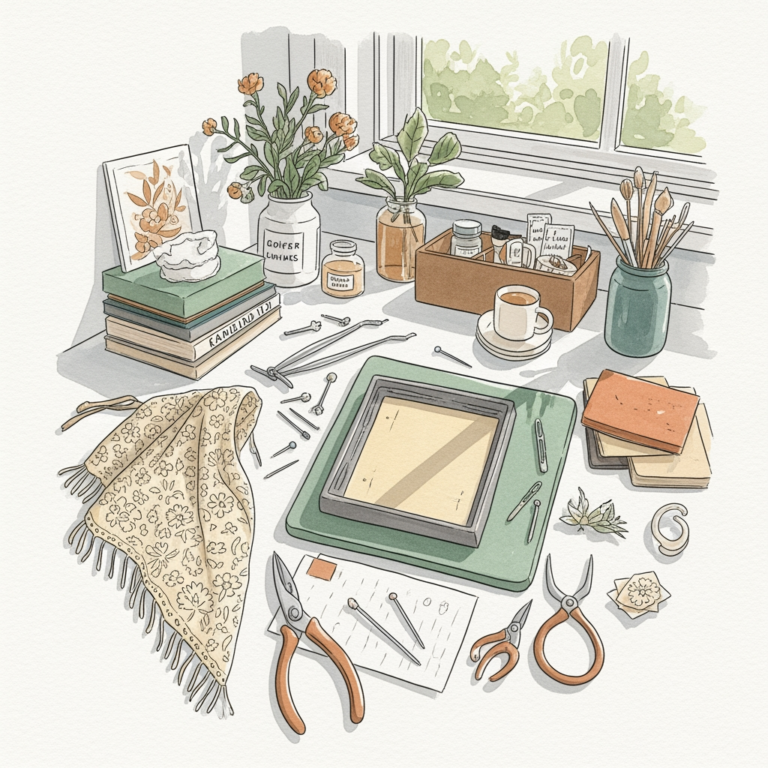
A successful carving kit is built on a few core tools that function similarly to a well-curated set of knitting needles. A quality gouge set is the most critical investment; look for blades that are made of tempered steel to ensure they hold an edge.
Include a V-gouge for fine lines and a U-gouge for clearing larger areas of negative space. Additionally, a brayer (a small roller) is essential for applying ink evenly across the block surface, much like ensuring even distribution of dye in a fiber soak.
Do not overlook the importance of a sharpening stone or strop. Just as dull knitting needles can split yarn fibers, a dull gouge will tear the carving block, resulting in ragged edges and poor print quality.
Vinyl vs. Linoleum: What’s the Real Difference?
The distinction between vinyl and linoleum is largely about density and material composition. Linoleum is a natural material made from linseed oil and wood flour, providing a firm, stable surface that is ideal for fine detail and high-pressure printing.
Vinyl and rubber blocks are synthetic, offering varying degrees of softness and flexibility. They are generally more forgiving to carve and are better suited for those just starting or for creating bold, graphic designs that do not require microscopic precision.
When choosing between them, think of the project’s “drape.” Linoleum is rigid and provides a crisp, professional print. Vinyl is flexible and soft, making it easier to handle and more comfortable for long carving sessions, though it may lack the archival longevity of linoleum.
Safety Tips for Handling Your Carving Gouges
Safety is paramount when working with sharp instruments, just as one must be mindful of cable management and needle tips when knitting on the go. The most vital rule of relief carving is to always carve away from the body.
If a slip occurs, the blade should always travel into the carving mat, never toward the hand holding the block. Consider using a non-slip bench hook to hold the block steady while carving; this keeps the fingers well away from the line of fire.
Finally, keep tools organized and sheathed when not in active use. A clear, well-lit workspace helps prevent accidents and improves the overall quality of the carving, leading to more professional results for every project.
Choosing the right relief carving surface is a process of balancing your technical goals with your personal comfort, much like the process of selecting the perfect yarn for a complex design. By understanding the material properties and respecting the safety requirements of the craft, every maker can create beautiful, personalized stamps that elevate their finished handiwork to a professional standard.