6 Book Cleaning Kits For Vintage Editions To Own
Preserve your collection with our top 6 book cleaning kits for vintage editions. Follow our expert guide to safely restore your antique volumes today. Shop now.
Collecting vintage knitting pattern books and historic textile manuals requires the same level of care as maintaining a hand-dyed wool stash or a delicate lace project. Just as an heirloom sweater requires specific detergents and blocking techniques, vintage paper deserves gentle, informed handling to prevent degradation. Neglecting the physical condition of a library can lead to mold, pest damage, and permanent discoloration of rare instructions. These six kits and tools provide the essential foundation for preserving your collection for future generations of makers.
Lineco Document Cleaning Pad: Best for Light Dust


Think of this cleaning pad as the equivalent of a soft, lint-free dusting cloth for your most delicate spinning guides. It contains a pouch of soft, vulcanized rubber particles that lift surface dust without the abrasive friction of a standard eraser.
Using this tool is ideal when managing mild environmental dust on paper edges, much like gently shaking out a sweater to remove loose fibers before washing. Always work in one direction to avoid grinding debris deeper into the paper fibers, ensuring that the integrity of the page remains intact.
Avoid applying heavy pressure, which can tear brittle edges or cause smearing if there is any moisture present. This is a maintenance tool, not a deep-cleaner, making it the perfect first step before more intensive restoration efforts.
Absorene Paper & Book Cleaner: The Classic Choice
Absorene has been a staple in archival circles for decades, functioning similarly to a modeling clay that pulls dirt away from porous surfaces. Much like using a sticky lint roller on a finished garment to remove stray pet hair, it lifts grime without the need for water or harsh solvents.
It is particularly effective on the edges of cloth-bound books where years of shelving have collected stubborn, dark soot. Simply knead the product until it is pliable, roll it gently over the dirty surface, and discard the blackened portions as you would throw away saturated laundry water.
Be mindful that residual crumbs can sometimes get stuck in the deep grooves of textured bindings or decorative embossing. Carefully brush away any leftover particles with a soft-bristled brush to ensure nothing is left behind to attract moisture later.
BookMinder Archival Kit: Best All-In-One Start
For those just beginning to curate a textile library, an all-in-one kit removes the guesswork of sourcing individual supplies. This kit provides a curated set of brushes, erasers, and specialized cleaners, ensuring that the necessary tools are at hand when a new acquisition arrives in the post.
Having a complete kit is like owning a well-organized knitting notions pouch; it prevents the temptation to use improvised, potentially damaging household items like tape or wet rags. It offers a structured approach to care, allowing for a systematic evaluation of a book’s needs.
Consider this the “starter set” that provides the foundation for long-term collection health. As the collection grows in value and age, individual items can be supplemented, but this provides the essential tools for safe, standard maintenance.
Talas Pro Book Cleaning Kit: For Serious Collectors
Collectors who prioritize professional-grade materials often turn to Talas for the same reason knitters seek out specific, high-quality needles for intricate lace. This kit contains specialized solvents and archival-grade tools meant for those who understand the delicate balance of book chemistry.
The inclusion of specific brushes with varying stiffness allows for targeted cleaning of different book materials, from fragile paper jackets to sturdy buckram covers. It is a precise system that requires a steady hand and a clear understanding of the material being treated.
This level of equipment is an investment in the long-term viability of rare, out-of-print titles. If the collection includes early 20th-century knitting patterns printed on high-acid paper, professional-grade tools are necessary to slow the inevitable aging process.
Dusting Brush & Soot Sponge: For Heavy Surface Grime
A high-quality, soft-bristled dusting brush is the most important tool for removing loose surface grime before introducing any chemical cleaners. Use it in a sweeping motion away from the spine, much like clearing debris from a knitting table before starting a clean project.
Follow this with a soot sponge—a dry chemical sponge—which is highly effective at lifting heavy, oily dirt without leaving a residue. These sponges are excellent for cleaning dust jackets that have seen years of exposure, effectively “dry-cleaning” the surface of the paper.
Never use these on damp or moldy items, as they are strictly for dry debris. When the sponge becomes saturated, trim off the dirty layer with a sharp knife to expose a fresh surface, ensuring that grime is not transferred back onto the book.
Renaissance Wax Polish: Restoring Leather Covers
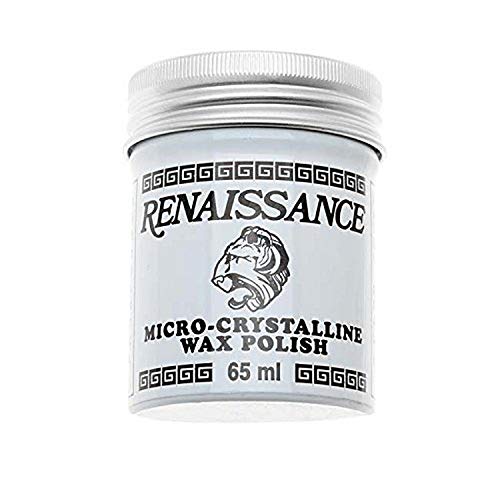
Leather-bound antique books benefit from a light coat of Renaissance Wax, which provides a protective barrier against humidity and fingerprints. This microcrystalline wax is chemically neutral, making it far safer for historical artifacts than the heavy, oil-based leather dressings once common in the industry.
Apply the thinnest layer possible using a soft, lint-free cloth, buffing it gently until the surface feels smooth and stable. It preserves the suppleness of the leather, similar to how one might treat a handmade leather knitting bag to prevent drying and cracking over time.
Over-application is the most common mistake, as it can cause the surface to become sticky and attract more dust. Use a “less is more” philosophy to ensure the leather remains breathable while gaining a protective, archival-quality finish.
How to Choose the Right Book Cleaning Supplies
The choice of supplies should always be dictated by the material composition of the book. Paper with high rag content behaves differently than modern, wood-pulp-based paper, just as silk yarn requires a gentler touch than superwash wool.
Consider the following factors before choosing a kit: * Binding Type: Leather, cloth, and paper jackets each require different cleaning agents. * Condition: Are you dealing with surface dust, oily soot, or deep-set stains? * Age: Extremely brittle, pre-industrial paper requires a lighter touch than sturdy mid-century editions. * Value: Rare or unique editions demand the most conservative, non-invasive cleaning methods available.
Always prioritize tools that are labeled “archival” or “pH-neutral.” These products are engineered to prevent further deterioration, whereas generic cleaners can introduce chemicals that accelerate the breakdown of fibers.
When to Clean a Vintage Book (And When to Stop)
Knowing when to stop is the hallmark of an experienced conservator. If a stain is set or the material is beginning to flake, the best approach is often to provide a protective archival sleeve rather than attempting a high-risk cleaning.
If a book smells of mildew, it should be isolated immediately, as this indicates a fungal issue that cleaning supplies cannot resolve. In these instances, professional archival consultation is required, as DIY attempts often spread spores or damage the structure further.
Keep in mind that some patina is a natural part of a book’s history. Excessive cleaning can actually lower the historical integrity and market value of an item, so perform only the cleaning necessary to preserve the object’s physical stability.
Safely Testing Cleaners on an Inconspicuous Spot
Never apply a cleaner directly to the most prominent part of a dust jacket or cover. Always perform a patch test on a hidden area, such as the underside of a jacket flap or a small, lower corner of the back cover.
Observe the test area for at least 24 hours to ensure no discoloration, bleeding of inks, or textural changes occur. This is identical to checking for colorfastness in a yarn before combining it with a lighter fiber in a stranded colorwork project.
Document the products used on each book by keeping a simple inventory log. If a cleaner performs well on one type of cloth binding, it will likely be safe for others of similar composition, allowing for a safer, more predictable maintenance routine.
Cleaning vs. Restoration: Know The Difference
Cleaning is the act of removing superficial dirt to ensure the book can be handled without further damage. Restoration, however, involves repairing tears, re-backing spines, or deacidifying pages—processes that are permanent and require advanced technical skill.
If a project requires re-gluing a spine or mending a tear, it has moved beyond maintenance and into the realm of restoration. For significant repairs, consult a professional bookbinder rather than attempting to fix the issue with household adhesives, which are rarely archival and can cause irreparable harm.
Respect the object by maintaining it regularly, but recognize the limits of individual expertise. A well-maintained library is a treasure; a library that has been over-cleaned or poorly repaired loses the very history that made it worth collecting in the first place.
Properly maintaining your vintage textile library ensures that the invaluable knowledge within these pages remains accessible for years of future projects. By utilizing the correct tools and knowing when to let a professional intervene, your collection will serve as a reliable resource for your craft. Approach these historic volumes with the same patience you would bring to a complex pattern, and you will secure their legacy alongside your own creative work.