6 Best Line Markers For Keeping Place In Rows
Stay organized with our top six line markers. This guide compares durable tools to help you track rows efficiently and improve your project accuracy today.
Every knitter has experienced the sinking feeling of losing their place in a complex lace repeat or a long row of stockinette. Stitch markers are the unsung heroes of the craft, acting as physical anchors that prevent hours of work from unraveling due to a simple counting error. Choosing the right marker is less about aesthetics and more about how the tool interacts with your specific yarn and needle material. This guide explores the best options to keep your rows organized and your project on track.
Cocoknits Colored Ring Stitch Markers


These markers are a staple for those who prefer a minimalist, nylon-coated steel design. Because they are thin, they won’t add unnecessary bulk or distort your gauge, which is vital when working with delicate fingering-weight yarns.
The nylon coating provides just enough grip to stay in place without snagging on fibers like mohair or single-ply wool. Their smooth finish ensures they slide effortlessly over metal needles, preventing the "drag" that can ruin your knitting rhythm.
I recommend these for circular knitting where you need to move the marker from needle to needle frequently. They are essentially weightless, making them a top choice for long-term projects where hand fatigue is a concern.
Clover Locking Stitch Marker Assortment

Locking markers are essential when you need to mark a specific stitch rather than a position on the needle. The Clover assortment is legendary for its durability, featuring a secure clasp that doesn’t pop open mid-row.
These are particularly useful for "lifelines" or marking the start of a pattern repeat in complex cables. Because they can be opened and closed, you can move them up your work as you progress, which is a lifesaver for long, repetitive garments.
Be careful when using these with very fuzzy yarns, as the clasp can occasionally snag on delicate fibers. If you’re working with a high-twist superwash wool, these will perform flawlessly without damaging the yarn structure.
Dritz Knitting Stitch Counter Rings

These simple, classic rings are the "no-nonsense" option for knitters who want to keep track of row counts without fancy gadgets. They function best as a static placeholder, marking the beginning of a round or a boundary between pattern sections.
The material is sturdy and smooth, ensuring they won’t catch on your stitches. Because they lack a locking mechanism, they are incredibly fast to move, making them ideal for high-speed knitting or projects with frequent row transitions.
They are best suited for larger needle sizes where the ring can move freely. If you use them on very fine needles, they can sometimes feel a bit loose, so keep them for your worsted or bulky weight projects.
Knitter’s Pride Mindful Collection Markers

This collection is designed with a focus on ergonomics and ease of use. The markers are color-coded, which helps significantly when you are juggling multiple pattern repeats or complex colorwork charts.
The shapes vary, allowing you to distinguish between a "beginning of round" marker and a "pattern increase" marker by touch alone. This tactile feedback is a game-changer for knitters who prefer to watch their stitches rather than looking at their tools.
They are made from high-quality materials that feel substantial in the hand. While they are slightly heavier than basic plastic rings, they provide a sense of stability that many advanced knitters find comforting during long sessions.
Susan Bates Split Ring Stitch Markers

Split rings are the fastest way to mark a stitch because they simply slide on and off without a clasp. They are perfect for quick-marking a dropped stitch or identifying the right side of your fabric during a break.
Because there is no hinge to break, these are virtually indestructible. They are a fantastic budget-friendly option to keep in your knitting bag for those "just in case" moments when you need to secure a loose end.
However, they can fall out if you aren’t careful, especially when moving your project between bags. Use them for temporary marking rather than long-term row tracking to ensure you don’t lose your place.
Tulip Heart-Shaped Locking Stitch Markers
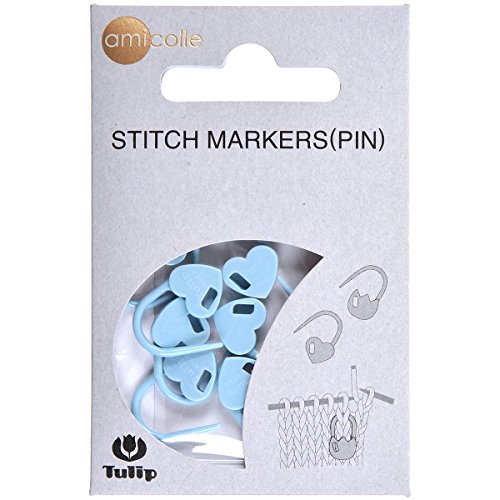
These markers are as functional as they are beautiful, featuring a soft, rounded shape that is gentle on your yarn. The locking mechanism is exceptionally smooth, making them a joy to use on luxury fibers like silk or cashmere.
The heart shape isn’t just for show; it makes them easier to grip if you have limited dexterity or arthritis. They are lightweight and won’t weigh down delicate lace work, which is a common issue with cheaper, clunkier plastic markers.
If you are looking for a gift for a fellow knitter, these are a sophisticated choice. They combine reliable utility with a premium feel that makes the act of tracking rows feel a little less like a chore.
How to Choose the Best Marker for Your Project
The most critical factor is the relationship between your needle surface and the marker material. If you are using slippery metal needles, avoid heavy metal markers that might slide off prematurely.
For beginners, I suggest a mix of locking and non-locking markers. You will quickly learn that some tasks, like marking a stitch for a cable turn, require a locking marker, while others only need a simple ring.
- For lace: Use lightweight, snag-free markers to avoid pulling on thin yarn.
- For cables: Use locking markers to hold specific stitches for later work.
- For circular knitting: Use smooth ring markers that won’t snag at the join.
Plastic vs Metal Markers: Which Should You Use?
Plastic markers are generally lighter and quieter, making them excellent for long, repetitive knitting sessions. They are also less likely to react with certain yarns, though they can develop burrs over time that might catch on fine fibers.
Metal markers are durable and provide a satisfying "click" that helps with tactile counting. However, they can be heavier, which might cause the fabric to sag if you have too many markers on one needle.
If you are knitting a heavy sweater, stick to plastic to keep the overall weight of the project down. If you are working on a small, intricate project, metal markers can provide the precision and stability you need.
Tips for Tracking Rows Without Losing Progress
Always place your marker at the start of a round and verify it after every few rows. It sounds simple, but it is the most common way to avoid the "lost row" syndrome that forces you to rip back hours of work.
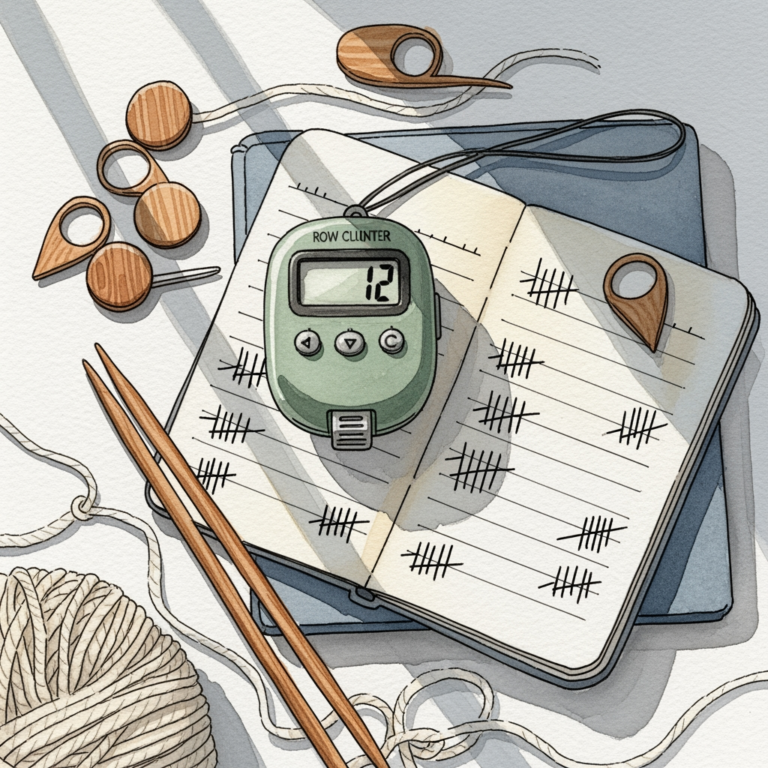
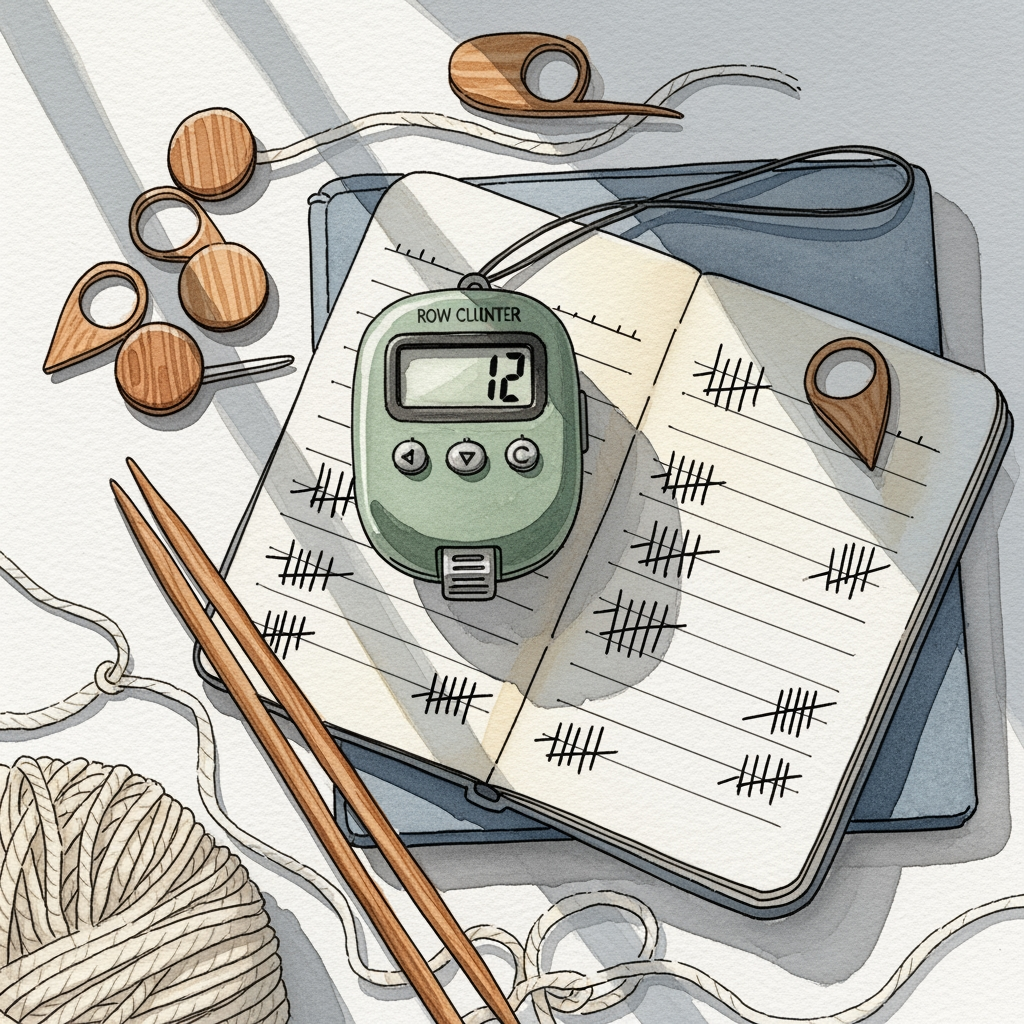
Keep a physical row counter or a small notepad nearby if your pattern is complex. Relying solely on memory is a recipe for disaster, especially when you are tired or distracted by conversation.
If you find yourself losing your place often, try using two different colored markers to denote the start and end of a section. This visual separation makes it much easier to spot a mistake before it propagates through the entire row.
Common Mistakes When Using Row Tracking Tools
The biggest mistake is ignoring the "snag factor." If a marker feels like it is pulling on your yarn, stop immediately and check for a burr or a loose fiber; continuing will only lead to a broken stitch.
Another error is using markers that are too large for your needle size. A marker that is significantly larger than your needle will cause the stitches on either side to stretch out, leading to uneven tension and unsightly gaps in your fabric.
Finally, don’t over-rely on markers to the point where you stop reading your own knitting. The best tool is the one that helps you develop the skill to "read" your stitches, allowing you to spot errors by sight rather than just by counting.
Finding the right stitch marker is a personal journey that evolves as your skills and project complexity grow. Whether you choose the lightweight convenience of Cocoknits or the elegant utility of Tulip markers, the goal remains the same: to provide the structure you need to knit with confidence. Experiment with different types, pay attention to how they interact with your yarn, and never be afraid to swap them out if they aren’t working for a specific project. Happy knitting, and may your rows always stay perfectly aligned.