6 Best Sewing Machine Oil Dispensers For Precision Application
Keep your sewing machine running smoothly with our top 6 picks for precision oil dispensers. Read our guide now to find the perfect tool for your maintenance.
A sewing machine is the silent workhorse behind every perfectly tailored garment and expertly finished heirloom quilt. Much like the tension discs on a knitting machine or the specific weight of a needle gauge, a well-lubricated machine ensures consistent, snag-free performance. Neglecting internal maintenance leads to friction, uneven stitches, and the dreaded screeching sound that interrupts the creative flow. Choosing the right oil dispenser is the first step toward extending the life of your equipment and ensuring every project stitch is as smooth as a fresh cast-on.
Singer Machine Oil: The Trusted Classic Choice
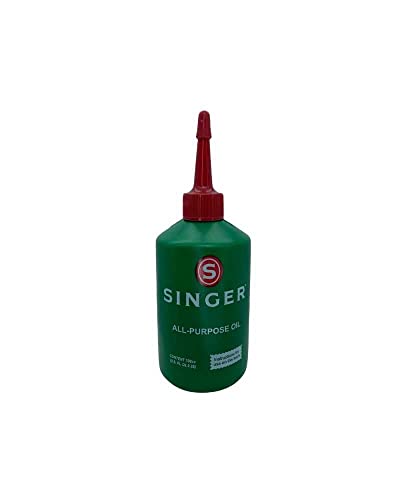

Singer machine oil remains the industry standard for a reason: it offers a reliable, low-viscosity formula that prevents the gumming often found in inferior lubricants. Its classic squeeze-bottle design is familiar to anyone who has inherited a vintage sewing machine or picked up a beginner-friendly kit at a local craft shop.
The primary advantage here is availability and proven performance on standard domestic machines. If you are regularly stitching through cotton lawn or linen projects, this oil provides the necessary barrier to prevent metal-on-metal wear.

However, the standard bottle can be difficult to manage when trying to reach deep into the needle bar housing or intricate tension assemblies. It is an excellent choice for general maintenance, but it requires a steady hand to avoid over-oiling, which can attract lint and dust into the delicate mechanisms.
Liberty Oil Needle Oiler: Ultimate Precision Pick
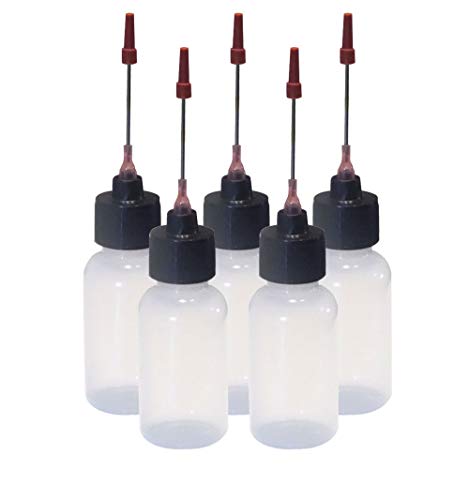
The Liberty Oil needle oiler is specifically designed for the knitter or seamstress who treats maintenance with the same precision as calculating row gauge for a complex sweater. The inclusion of a fine-gauge needle tip allows oil to be delivered exactly where it is needed—a single drop at a time—without messy overflow.
This level of control is vital for modern, computerized machines where excess oil can potentially interfere with sensitive electronic sensors. It functions similarly to using a pointed tapestry needle to pick up a dropped stitch; it reaches tight spaces without disturbing the surrounding environment.
For those who maintain high-end embroidery or quilting machines, this is the gold standard for accuracy. While it commands a higher price point than basic squeeze bottles, the reduction in wasted product and the safety it offers to expensive equipment make it a sound long-term investment.
Zoom Spout Oiler: For Hard-to-Reach Machine Parts

The Zoom Spout oiler features a unique telescoping spout that extends to reach deep, recessed areas of a sewing machine that are otherwise inaccessible. It functions like a flexible extension cord for your oiling routine, allowing you to navigate around complex cams and gears without disassembling the machine frame.
This tool is particularly useful for owners of older, mechanical machines where the oiling points are buried deep within the chassis. If you find yourself struggling to reach a lubrication port tucked behind a motor or a vertical gear, the telescoping spout removes the guesswork.
The tradeoff is the sheer amount of oil stored in the reservoir, which makes it less portable than a pocket-sized oil pen. It is best kept as a dedicated workshop tool for deep-cleaning sessions rather than quick touch-ups.
Dritz Machine Oil Pen: Best for Tidy Application

The Dritz oil pen is essentially a precision instrument that mimics the convenience of a highlighter or a fine-point marker. It is the most “knitter-friendly” option for those who want to oil their machine in the middle of a project without risking grease stains on their fabric or yarn.
The click-action tip provides a controlled, measured amount of lubricant, eliminating the risk of accidental spills. It is exceptionally clean to store in a sewing notions kit alongside scissors, measuring tapes, and stitch markers, as the cap seals securely against leaks.
Because the reservoir is smaller, this is not the most cost-effective solution for heavy, industrial-style maintenance. It is designed for the hobbyist who values cleanliness and quick, frequent, low-volume applications over bulk storage.
Fons & Porter Bottle: Best Refillable Dispenser
The Fons & Porter oiling bottle is built with the quilter in mind, featuring a long, rigid applicator tip that provides both visibility and reach. It is highly regarded because it is meant to be refilled, allowing users to select high-quality machine oil in bulk and transfer it to a more usable, ergonomic container.
The bottle’s ergonomics are superior, making it easy to hold and squeeze for those with hand fatigue or grip issues. This is a critical feature for anyone who spends hours at the machine, as comfort is just as important in sewing as it is in choosing an ergonomic knitting needle.
While the bottle is excellent, users should ensure the cap is tightened fully after each session to prevent evaporation. It acts as the perfect middle ground between the precision of a needle oiler and the ease of a standard squeeze bottle.
Sew-Classic Oil: For Vintage & Heavy-Duty Machines
Sew-Classic oil is often formulated specifically for the internal metal requirements of vintage cast-iron machines. Many older machines, such as those prized for heavy-duty leatherwork or thick denim, require a slightly different viscosity than the synthetic oils used in lightweight plastic-cased machines.
Using the wrong oil on a vintage machine can cause the lubricant to separate or harden, effectively “freezing” the moving parts. Sew-Classic ensures that older metal gears remain coated and moving smoothly, much like keeping a well-used set of metal needles clean and polished.
This product is clearly aimed at the specialist who values the durability of older machines. It may be overkill for a modern, lightweight plastic machine, so consult your manual before switching to a heavy-duty formula.
Choosing the Right Sewing Machine Oil Dispenser
Selecting the right dispenser boils down to how often you sew and the complexity of your machine’s internal layout. For those who sew daily, a precision tool like the Liberty needle oiler is essential to prevent the buildup of excess debris.
Consider the following factors before purchasing: * Machine Age: Vintage machines often require a wider reach, while modern machines benefit from fine-point precision. * Ergonomics: If your hands are tired from a long day of knitting, a bottle that is easy to squeeze is more important than the fancy design of a fine-tip pen. * Portability: If you take your machine to guild meetings or quilting retreats, look for a leak-proof design with a secure cap.
Always prioritize the ease of application over the brand name. The best dispenser is the one that you actually feel comfortable using on a regular basis.
Oiling Your Machine: A Step-by-Step Mini Guide
Oiling should be a meditative part of your machine maintenance, not a chore. Start by cleaning away all visible lint from the bobbin area using a small brush; oil mixed with lint creates a sludge that slows down the machine’s timing.
Consult your machine’s manual to identify every oiling point, as putting oil in the wrong place can damage plastic components or electronics. Once identified, apply only one or two drops to each point—no more.
After oiling, run the machine on a scrap piece of fabric for a few minutes. This “blocks” the machine, so to speak, helping the oil distribute evenly and catching any excess that might otherwise ruin your next project.
Mineral vs. Synthetic Oil: What’s the Difference?
The debate between mineral and synthetic sewing machine oil is similar to the debate between wood, bamboo, and metal knitting needles. Mineral oil is the traditional choice; it is natural, effective, and perfectly suited for older machines with steel components.
Synthetic oil is engineered to remain stable at high speeds and high temperatures, making it the preferred choice for modern, high-speed computerized machines. It is less likely to gum up or attract dust over time.
When in doubt, synthetic oil is often the safer, more modern choice for general-purpose sewing. However, if your machine is a true antique, check with a repair technician to see if the original manufacturer’s specifications prefer a mineral-based lubricant.
How Often Should You Actually Oil Your Machine?
The frequency of oiling depends entirely on your project volume. If you are sewing one small project per month, an annual oiling is generally sufficient. If you are a heavy user finishing large quilts or high-frequency garments, oiling every 10 to 20 hours of sewing time is a safe benchmark.
Listen to your machine; a change in the sound of the motor or a slight hesitation in the needle movement is a clear signal that the parts are feeling the friction. Regular maintenance ensures the machine keeps up with your creativity without needing a trip to the professional repair shop.
Treat the machine with the same care as a favorite hand-knit sweater: keep it clean, lubricated, and stored in a safe, dust-free environment. A little maintenance goes a long way in ensuring your gear lasts for generations.
The effort spent maintaining a machine is an investment in every stitch that follows. By choosing a dispenser that fits your specific needs and keeping to a consistent lubrication schedule, you ensure that your sewing machine remains as reliable and precise as your own skilled hands.