6 Best Silk Dyes For Custom Color Patterns For Artists
Elevate your fabric art with our top 6 silk dyes for custom color patterns. Explore these professional-grade picks and start your next masterpiece today.
Silk is the ultimate luxury fiber, but its high price tag often keeps artists from experimenting with custom color. Whether you are dyeing silk ribbons for delicate embroidery or hand-painting a scarf destined to become a shawl collar, the dye choice dictates the final drape and luster of the fiber. Choosing the wrong chemistry can leave silk feeling brittle or cause colors to wash out after the first steam block. Selecting a dye that respects the protein structure of silk ensures that the fabric remains soft, supple, and vibrant for years to come.
Jacquard Acid Dyes: Best for Vibrant Colors


Acid dyes are the industry standard for protein fibers like silk and wool because they chemically bond to the fiber under heat. Jacquard is renowned for its intense concentration, which produces deep, saturated hues that remain clear even when diluted.
Because these dyes require an acidic environment—usually provided by white vinegar or citric acid—they are remarkably efficient at exhausting from the dye bath. This leaves the water clear and ensures that nearly all the pigment has migrated into the silk threads.
- Pros: Exceptional lightfastness and a massive color palette.
- Cons: Requires stovetop heat or steam setting, which demands careful handling of wet, heavy silk.
If the goal is a bold, high-contrast color pattern, Jacquard acid dyes offer the best return on investment. The color remains stable through multiple washes, making it a reliable choice for wearables that see frequent use.
Dharma Procion MX Dyes: The Versatile Choice

Procion MX dyes are fiber-reactive, meaning they form a permanent covalent bond with the cellulose or protein molecules. While typically used for cotton, they work beautifully on silk when the process is adjusted correctly.
These dyes are cold-water compatible, which is a major advantage for delicate silk fabrics that might lose their structural integrity under intense heat. They provide a softer, more translucent look compared to the punchy, opaque finish of acid dyes.
- Best for: Shibori, tie-dye, and watercolor-style painting on silk.
- Tradeoff: Silk must be prepared with a slightly different chemical process than plant-based fibers to ensure the bond holds.
For the artist who switches between dyeing silk scarves and cotton tote bags, having one dye type for both is a logistical win. Just remember that the vibrancy levels will differ based on the fiber’s natural affinity for the dye.
PRO Chem WashFast Dyes: Pro-Level Results
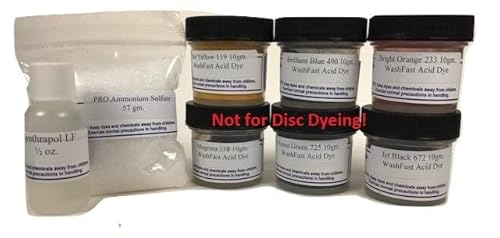
PRO Chem WashFast dyes are technically acid dyes, but they are formulated with a level of purity that appeals to professional textile artists. They are designed for maximum washability and color consistency across large batches of fabric.
These dyes are particularly effective for artists who need to color-match or repeat specific patterns for custom commissions. The consistency of the powder ensures that the secondary and tertiary colors behave predictably during the dye process.
- Key Advantage: Highly concentrated, which makes them cost-effective for large-scale projects.
- Practical Note: Because they are so potent, weighing them with a precision scale is necessary to avoid over-saturated results.
Using a professional-grade product often solves the issues of “bleeding” or uneven uptake that plague hobbyist dyes. If the project involves silk that will be layered or paired with white lace, the high wash-fastness of this brand prevents unwanted color transfer.
Lanaset Dyes: Ideal for Wool and Silk Blends

Silk is frequently blended with wool to provide extra weight and warmth, which creates a unique challenge for the dyer. Lanaset dyes bridge this gap, as they are specifically engineered to have a high affinity for both silk and wool simultaneously.
These dyes function like a hybrid, using a special leveling agent that ensures color is distributed evenly across the different fiber types in the blend. Without this, one fiber often “hogs” the dye, resulting in a mottled or uneven appearance where the silk might appear lighter than the wool.
- Best Use: Knitting yarns that consist of 70% merino and 30% silk.
- Key Consideration: The chemical process involves a slightly different pH shift than standard acid dyes.
For projects where color uniformity across a blend is non-negotiable, Lanaset is the gold standard. It produces a solid, professional-looking finish that hides the technical difficulty of the fiber mix.
Cushing Perfection Dyes: Easiest for Beginners
Cushing Perfection dyes are classic acid dyes that are incredibly user-friendly for those just starting to explore custom color. They are sold in convenient, pre-measured envelopes, which eliminates the guesswork of weighing out pigments.
While they may not offer the same massive range of mixing options as professional chemical suppliers, they provide reliable, repeatable results for standard colors. Their ease of use makes them perfect for smaller, one-off projects where complicated chemistry would be an unnecessary hurdle.
- The Bottom Line: Perfect for the artist who wants to experiment without investing in expensive scales or bulk chemicals.
- Limitation: The color palette is more limited, making custom color matching more difficult.
If the project is a simple dip-dye scarf or a quick experiment with silk ribbons, Cushing Perfection dyes offer the lowest barrier to entry. They remove the “science experiment” aspect and let the artist focus on the art itself.
Sennelier Tinfix Dyes: Best for Silk Painting
Sennelier Tinfix dyes are unique because they are designed specifically for silk painting techniques, such as gutta resist or salt-texture application. They are concentrated, water-based dyes that flow beautifully across the surface of the silk without spreading out of control.
These dyes are favored for their luminosity and the way they maintain the delicate, fluid nature of silk. They allow for intricate, painterly designs that look more like an illustration on fabric than a dyed textile.
- Application: Best used with a brush or dropper on stretched silk.
- Setting: These require steaming to set the color, which is a vital step for ensuring the dye remains permanent.
Artists who value the “hand-painted” aesthetic will find that Tinfix provides the control required for high-detail work. They are not intended for immersion dyeing, so choose them only if the project involves intricate, surface-level design.
Acid vs. Fiber Reactive Dyes: Which Is for You?
The choice between acid and fiber-reactive dyes often comes down to the intended look and the available workspace. Acid dyes penetrate deep into the protein fiber, creating rich, opaque, and highly durable colors that resist fading.
Fiber-reactive dyes, while typically associated with cotton, offer a softer, more “dyed-in” feel when used on silk. They tend to be more translucent, which can be an advantage when trying to maintain the natural, shimmering quality of the silk fiber.
- Acid Dyes: Best for deep, saturated, and wash-fast results on pure silk.
- Fiber-Reactive: Best for watercolor effects, tie-dye, and working with blended fibers that contain plant materials.
Consider the equipment at your disposal as well. Acid dyes usually require heat-setting on a stovetop, whereas fiber-reactive dyes can often be processed at room temperature, provided they are allowed to batch for the correct amount of time.
Safety First: Setting Up Your Home Dye Studio
Dyeing silk is a chemical process that requires respect for the materials and the environment. Always wear a N95-rated respirator mask when handling dye powders, as the fine particles are harmful if inhaled.
Set up your studio in a well-ventilated area, and ensure that all equipment—including pots, spoons, and thermometers—is dedicated solely to dye work. Never use these tools for food preparation, as dye residues can hide in small scratches or crevices in the kitchenware.
- Essential Gear: Nitrile gloves, safety goggles, a dedicated stainless steel pot, and a digital scale for measuring.
- Protective Measures: Use a drop cloth to protect surfaces and keep a spray bottle of water nearby to clean up spills immediately.
Proper safety protocols allow you to focus on the creative process without unnecessary health risks. When the workspace is organized and safe, the fear of “making a mess” disappears, leading to more experimental and successful projects.
How to Set Dyes for Washable, Lasting Color
Setting dye is the final, critical step that transforms a wet application into a permanent fiber finish. For acid dyes, heat and an acidic catalyst, like vinegar or citric acid, are essential to force the dye molecule to bind with the silk protein.
For those using steam setting, wrap the dyed silk in paper and plastic before steaming, ensuring that no direct contact occurs with the water source. This prevents “splotching” and ensures that the dye levels out perfectly during the steaming process.
- The Golden Rule: Always allow the dye bath to cool down slowly before rinsing; shocking the fiber with cold water after a hot dye bath can cause the silk to lose its luster.
- Final Rinse: Always use a textile detergent specifically designed for delicate fibers to remove excess surface dye and maintain the silk’s softness.
Consistency is the secret to lasting color. If the setting process is rushed, the silk may bleed when it is eventually blocked or washed. Taking the time to properly cure and rinse the fiber ensures the project remains a heirloom-quality piece.
Choosing the Right Silk Fabric for Your Project
The weight and weave of the silk determine how the dye will interact with the fabric and how the final piece will drape. A lightweight habotai silk will absorb dye rapidly and appear very vibrant, while a heavier silk charmeuse will have more surface texture and may require more dye to reach the same saturation.
Always “scour” your silk before dyeing to remove sericin, the natural gum that coats the fiber during production. If this is not removed, the dye will not bond evenly, leading to patchy, uneven colors that can ruin a meticulously planned pattern.
- Silk Scarf Tip: Use silk habotai for practice or light, flowy wraps; use crepe de chine for projects that require a matte finish and a bit more body.
- Texture: Remember that the weave of the silk creates the canvas for your dye; a silk satin will reflect light differently than a silk chiffon.
Selecting the right silk is just as important as choosing the right dye. By understanding how different weaves interact with pigment, you gain the ability to predict the final outcome before the first drop of color touches the fabric.
Customizing silk allows for a level of creative expression that mass-produced fabric simply cannot match. By matching the right dye chemistry to the fiber and respecting the necessary setting techniques, you ensure that every project reflects your technical skill and aesthetic vision. While the process requires precision and patience, the result—a one-of-a-kind silk textile—is worth every step.