6 Best Archival Portfolios For Print Storage Worth Owning
Protect your artwork with the 6 best archival portfolios for print storage. Explore our top-rated recommendations and preserve your collection for years to come.
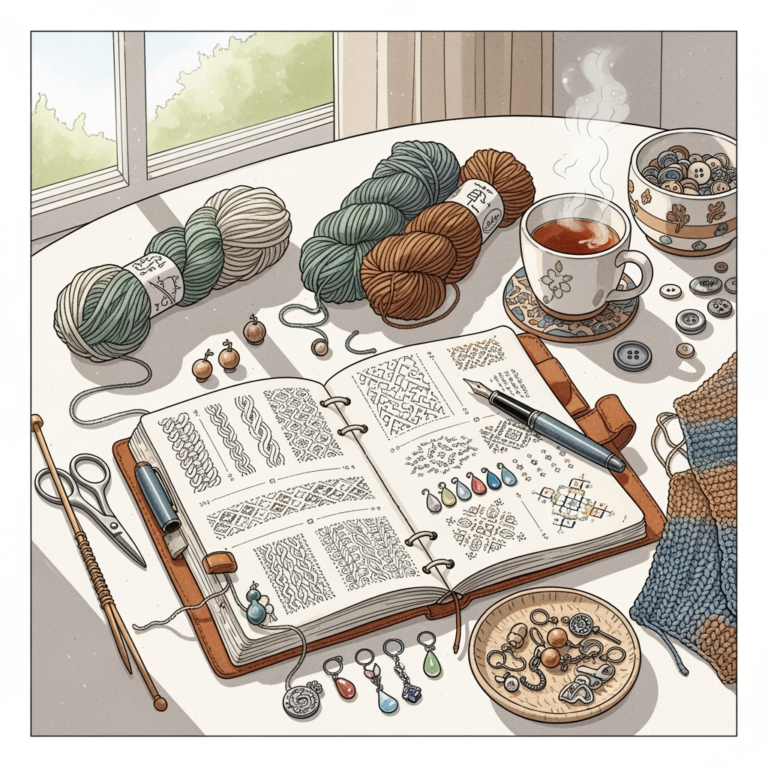
Patterns are the lifeblood of a dedicated maker, serving as the blueprint for every sweater, shawl, and lace design ever brought to life on the needles. Over years of accumulating printed charts and lace diagrams, the risk of fading ink or yellowed paper becomes a genuine threat to a well-curated library. Archival storage is not just about keeping a space tidy; it is about preserving the technical history of a craft that relies heavily on precise stitch counts and charted symbols. The following guide explores the best storage solutions to ensure those hard-earned patterns remain as crisp as the day they were first printed.
Itoya Profolio Evolution: The All-Around Favorite


The Itoya Profolio Evolution is the gold standard for many knitters because it mimics the ease of a book while offering the protection of a glass case. Its top-loading, clear poly pockets are ideal for patterns printed on standard 8.5″ x 11″ paper.
Because the pages are archival-safe, there is no risk of the plastic reacting with ink or toner over long periods of storage. This is particularly important for complex cable charts where even minor ink transfer could obscure a critical instruction.
The top-loading design makes it incredibly simple to pull out a single pattern for a quick reference during a colorwork row without removing the whole binder from a shelf. It serves as an excellent “go-to” reference for frequently used core techniques or reference charts.
Prat Start 2 Portfolio: For Professional Display
If a collection includes original hand-drawn designs or high-quality printed patterns worth displaying, the Prat Start 2 is the superior choice. This portfolio features a high-end, European aesthetic that feels far more substantial than a standard office binder.
The construction focuses on durability, utilizing a heavy-duty cover that protects against accidental bends or spills in a busy craft room. When patterns are organized here, they look like a professional lookbook rather than a stack of loose papers.
It is a significant investment, but it protects rare, vintage patterns or expensive printed books from folding. Use this for the “crown jewels” of a knitting collection, such as original copies of out-of-print lace patterns.
Pina Zangaro Machina: The Premium Screwpost Pick
The Pina Zangaro Machina is designed for makers who treat their pattern collection with the same reverence they give their finest hand-dyed wool. The screwpost mechanism allows for true customization, enabling the addition or removal of pages without struggling with standard binder rings.
The industrial, minimalist look fits seamlessly into a modern studio space. Since the spine is rigid and secure, these portfolios stand upright on a bookshelf, keeping patterns perfectly flat and free from the “curling” that occurs when papers are stored improperly.
This is the ultimate choice for those who maintain a large, growing library of patterns. The modular nature means the collection can expand as a repertoire of finished garments and complex lace projects increases over the decades.
Star Products Display Book: Best Archival on a Budget
When a massive stack of patterns needs organizing without breaking the bank, the Star Products Display Book provides reliable utility. While it lacks the premium materials of higher-end brands, it hits the mark on the most critical requirement: acid-free protection.
It is perfect for the knitter who keeps dozens of variations of sock patterns or basic sweater templates. If patterns are subjected to frequent handling near a coffee mug or a bowl of stitch markers, this affordable option ensures the primary prints remain unharmed.
The lightweight build makes it easy to grab and move between a living room chair and a dining table. It is the practical, no-fuss solution for the everyday workhorse of a knitting library.
Lineco Folio Storage Box: For Bulk Pattern Storage
Not every pattern needs to be displayed in a plastic sleeve; many are best kept in their original paper form within a protective environment. The Lineco Folio Storage Box is constructed from archival-grade, acid-free board that prevents environmental decay.
This is the preferred method for storing thick, multi-page pattern booklets or historical archives that should remain flat. Unlike ring binders, which can create pressure marks on paper over time, a flat box allows patterns to rest in a neutral position.
The box is deep enough to hold hundreds of pages, making it ideal for clearing out messy folders. It effectively shields the contents from light, which is the primary cause of yellowing in older paper stocks.
Art-Pro Zippered Portfolio: Best for Taking on the Go
Traveling to a knit night or a fiber retreat often requires bringing a collection of ideas and reference charts along. The Art-Pro Zippered Portfolio provides a full enclosure, ensuring that stray stitch markers or loose needles do not damage the contents.
The zipper closure offers peace of mind when tossing a collection into a tote bag alongside heavy yarn skeins or knitting needles. It prevents the corners of printed patterns from becoming crumpled or bent during transit.
This is an essential tool for the knitter who frequently visits local yarn shops for advice or attends workshops. It acts as a portable office for all essential drafting papers and design notes.
What to Look For in an Archival Portfolio
When selecting a portfolio, prioritize acid-free and archival-safe materials above all else. If the plastic or board contains acids, the ink will eventually migrate or fade, effectively ruining the pattern.
Consider the binding style based on how often the pages are accessed. Ring-based binders are good for constant rearranging, while screwpost or fixed-pocket portfolios offer better long-term stability and protection.
Finally, look for sturdy, rigid covers to ensure the contents remain uncreased. A flimsy cover might look adequate, but it provides no protection against the inevitable knocks and bumps that happen in any active workspace.
Portfolio Case vs. Storage Box: Which Is Right?
A portfolio case is best for active reference and aesthetic organization. If the goal is to flip through designs to find inspiration for the next project, the portfolio is the clear winner for its visual accessibility.
A storage box is intended for long-term preservation and archival safety. Use a box for patterns that are rarely touched but must be saved for posterity, such as original hand-knit designs from years past.
For the most effective system, use a portfolio for the “active” project queue and a storage box for the “archived” designs. This split keeps the workbench clear while protecting the history of the work.
Understanding “Acid-Free” for Long-Term Safety
“Acid-free” means the material has been treated to have a neutral or slightly alkaline pH. Over time, paper naturally becomes acidic, which causes it to turn brittle, yellow, and eventually crumble into dust.
Most standard office folders are not archival-grade and will actively harm the paper inside. When shopping for storage, always look for an explicit “archival” or “acid-free” label on the packaging.
This is just as important as choosing the right fiber for a garment. Just as a wool-synthetic blend might hold its shape differently than 100% superwash, archival materials ensure that the physical integrity of a pattern survives long after the needles are put away.
How to Properly Store Your Patterns and Prints
Patterns should always be stored in a cool, dry, and dark environment. Sunlight is the enemy of printed ink, and humidity leads to mold, both of which can destroy a collection in a single season.
Keep the storage units flat whenever possible to prevent the paper from developing permanent bends or folds. If using a ring binder, use a heavy-duty sheet protector to distribute the weight evenly so the paper does not pull away from the binder holes.
Finally, avoid overstuffing any portfolio or box. If the spine is straining to close, the contents are under too much pressure and the paper fibers will eventually weaken or tear.
Preserving a pattern collection is an investment in the longevity of the craft itself. By choosing the right storage solutions, a knitter ensures that the technical knowledge and creative inspiration collected over a lifetime remain available for years to come.