7 Best Acid Brushes For Plate Preparation To Own
Upgrade your print workflow with our curated list of the 7 best acid brushes for plate preparation. Read our expert guide and choose the right tools today.
Achieving consistent color saturation on protein fibers like wool or silk requires more than just high-quality dye; the application tool is the unsung hero of the process. Whether painting intricate gradients onto hand-dyed roving or preparing a yarn plate for speckled effects, the brush dictates how the pigment penetrates the fiber. Selecting the right implement prevents muddy colors and ensures that dye travels deep into the core of the yarn ply. Choosing the correct brush transforms a messy, uneven dyeing experiment into a professional-grade skein ready for the needles.
Jacquard Acid Dye Brush Set: Best for Beginners


When starting out with acid dyes, the barrier to entry is often the uncertainty of how much liquid a brush will hold. This set provides a forgiving introduction, offering a variety of shapes that help familiarize the hand with different application pressures.
These brushes are designed to withstand the acidic nature of the dye bath without shedding bristles into your expensive merino wool. They offer enough structure to push dye into the fibers of a tight-twist yarn without being so stiff that they cause the dye to splatter uncontrollably.
Bottom line: Start here if the goal is to master basic painting techniques before investing in specialty tools.
Dharma Trading Foam Brushes: For Even Saturation
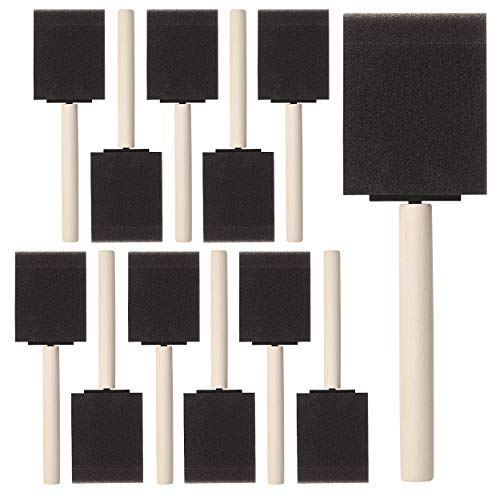
Foam brushes are frequently overlooked, yet they remain the gold standard for achieving perfectly solid color saturation on large fiber surfaces. Unlike bristle brushes, they do not hold pockets of air, which helps eliminate the risk of “holidays”—those pesky white spots where dye failed to touch the fiber.
These are particularly effective when working with flat surfaces, such as preparing a “dye plate” or soaking a long run of yarn laid out on plastic. Because they absorb a significant volume of liquid, they allow for long, fluid strokes that keep color transitions smooth and uninterrupted.
They are essentially disposable, which makes them ideal for high-volume projects where swapping colors quickly is necessary. Use these for base coats and solid color blocks where precision takes a backseat to coverage.
ProChem Synth-Hog Brushes: Pro-Level Durability
Serious fiber artists eventually find that cheap brushes lose their integrity after a few intense dye sessions. The Synth-Hog series mimics the resilience of natural hog hair but utilizes synthetic filaments that resist the corrosive effects of citric acid or vinegar.
The “snap” of these bristles is unmatched, providing the tactile feedback needed to work dye into dense, multi-ply yarns. If the goal is to create sharp, defined color breaks in a variegated colorway, the stiff-yet-flexible nature of these filaments provides the necessary control.
Choose these when the studio workflow demands a tool that can survive daily use and rigorous cleaning cycles.
Silver Brush Black Velvet: For Fine Detail Work

When painting specific motifs onto hand-dyed yarn or working with delicate fiber preparations, traditional stiff brushes are too blunt. The Silver Brush Black Velvet line offers a unique blend of synthetic and natural squirrel hair, allowing for incredible liquid retention and a soft, precise touch.
These brushes allow for a “watercolor” approach to fiber arts, where dye can be layered and blended with soft, feathered edges. They are best suited for fine-tuning after the base colors have been laid down, rather than bulk saturation.
Reserve these for “the finishing touches,” such as painting distinct specks or small, deliberate color accents.
Utrecht Natural Bristle Set: Old-School Reliability
There is a tactile satisfaction in using natural bristles that some artists claim synthetic options struggle to replicate. These brushes excel at moving thick, viscous dye mixtures, especially those combined with alginate thickeners.
Natural bristles naturally possess a “flagged” tip, which helps hold more pigment and releases it gradually onto the fiber. This creates a more organic, textured distribution of color that looks less “printed” and more like a part of the fiber itself.
Use these when striving for a traditional, artisanal aesthetic where slight color variation is considered a feature, not a flaw.
Royal & Langnickel Zen Series: Best Watercolor-Style
For artists who enjoy the fluidity of painting with dyes, the Zen series offers a balanced weight and a sharp point that is rare in dye-specific brushes. They allow for a high degree of control, making them perfect for creating gradients that transition seamlessly from dark to light.
Their synthetic filaments are non-porous, meaning they don’t hold onto leftover dye pigments as aggressively as natural hair. This makes them significantly easier to clean between color changes, preventing muddy cross-contamination.
Opt for these if you prioritize clean, crisp color transitions and ease of maintenance in your dyeing workspace.
Princeton Catalyst Polytip: Top for Thickened Dyes
Thickened dyes behave like paint, requiring a brush that can push pigment without dragging or pulling at the delicate structure of unspun fiber. The Catalyst Polytip brushes feature flagged ends that mimic the properties of expensive natural hair but with the durability of heavy-duty silicone-style tips.
The structure of these brushes is ideal for pushing dye into high-twist yarns or dense, felted wool. They provide the resistance needed to force liquid into the center of the yarn bundle, ensuring the core is as vibrant as the exterior.
Invest in these if you frequently experiment with thickening agents and need a brush with serious mechanical grip.
How to Choose the Right Brush for Your Dye Project
Selecting a brush starts with identifying the viscosity of the dye and the density of the fiber. If the project involves painting individual plies of a luxury hand-dyed yarn, prioritize a brush with a fine point and high water retention.
Conversely, large-scale immersion or plate painting requires a wider brush that covers ground quickly. Never force a small brush to do the work of a wide one, as it will lead to inconsistent saturation and excessive fatigue.
- Small Detail: Pointed, soft synthetic.
- Large Saturation: Wide foam or broad synthetic.
- Thickened Dyes: Stiff, durable synthetic filaments.
Natural vs. Synthetic Bristles for Acid Dyes
Natural bristles—typically hog or boar—are highly porous and excel at holding large amounts of dye. However, the acidic environment of most dye baths eventually degrades natural hair, causing it to become brittle and shed over time.
Synthetic brushes are engineered specifically for chemical resistance. They maintain their shape, “spring,” and integrity much longer than natural options, making them the more economical and reliable choice for most modern fiber artists.
Prioritize high-quality synthetic bristles unless the specific texture of natural hair is required for a particular artistic effect.
Cleaning and Caring for Your Dye Brushes
The life of a brush is determined almost entirely by how it is cleaned after the last dye run. Acid dyes can stain the filaments permanently, but the real danger is dye residue hardening at the base of the ferrule.
Always rinse brushes under cool water until the output runs completely clear, then gently reshape the bristles before laying them flat to dry. Avoid leaving brushes sitting in dye jars for extended periods, as this will splay the bristles and permanently ruin their shape.
A well-maintained brush is a lifelong tool; treat it with the same care you would a pair of hand-turned needles.
Proper brush selection is an investment in the long-term success of every dyeing project. By choosing tools that align with specific fiber types and dye viscosities, you ensure that every skein emerges from the bath exactly as envisioned. With the right maintenance, these implements will remain reliable companions for years of creative exploration.