6 Glass Test Tubes For Small Volume Cleaning Essentials
Discover the 6 best glass test tubes for small volume cleaning essentials. Simplify your lab or hobby workspace today. Click here to read our expert review.
Small glass test tubes may seem like laboratory curiosities, but they serve as invaluable organizers for the modern fiber artist. Whether keeping track of tiny stitch markers, storing essential oil drops for wool wash, or housing rare, hand-dyed embroidery threads, these containers provide clarity and protection for delicate items. Choosing the right tube depends entirely on how often the contents need to be accessed and how much environmental protection they require. This guide explores the most effective glass test tube options to streamline a knitting workspace.
StonyLab Borosilicate Tubes: The Most Durable Pick


Borosilicate glass is the gold standard for durability because it resists thermal shock and physical impact far better than standard soda-lime glass. For knitters who frequently transport project bags, these tubes handle the inevitable bumps and tumbles of travel without fracturing.
While most craft supplies don’t face extreme temperatures, the sheer thickness of these tubes makes them ideal for housing sharp items like tapestry needles or point protectors. They remain clear over time, allowing for quick identification of contents even when tucked into the depths of a cluttered notions pouch.
The tradeoff is weight; these are heavier than plastic alternatives. However, the investment is worth it for anyone tired of brittle plastic notions cases snapping at the hinge.
Karter Scientific Tubes with Cork: Best for Storage
Cork-stoppered tubes provide an aesthetic, tactile experience that fits perfectly in a vintage-inspired sewing room. They offer a secure, friction-fit seal that keeps dust and fiber debris out of stored items.
These are excellent for keeping delicate findings organized, such as specialized buttons or silk-wrapped snips. Because the cork is porous and breathable, it is best to avoid storing anything that might oxidize or corrode in damp environments.
The main benefit here is the ease of opening without needing to manipulate a stiff plastic cap. For a knitter with reduced dexterity, the soft grip of a cork is far easier to handle than a threaded screw-top lid.
Superlele Flat Bottom Tubes: For Stable, Upright Use
Standard rounded-bottom tubes are notorious for rolling off work tables and disappearing under heavy yarn baskets. Flat-bottom designs eliminate this frustration by standing firmly on any level surface.
Stability is critical when measuring out small quantities of delicate wool-safe detergent or liquid lanolin for blocking. A toppled container of treatment liquid is a quick way to ruin a freshly knitted swatch or a hardwood floor.
These tubes act as reliable anchors for small essentials that need to remain accessible while knitting. If desk space is limited, the vertical footprint of a stable tube saves precious room for yarn balls and stitch charts.
SEOH Graduated Culture Tubes: For Precise Dilutions
Graduated markings are not just for high school chemistry; they are essential for exact measurements. When preparing precise solutions of wool wash or fabric stiffener, these tubes take the guesswork out of the process.
Knitters dealing with hand-dyed yarns often need to replicate colors or dilute dyes to achieve specific saturation levels. Knowing exactly how many milliliters of water were used ensures consistent results when working on multi-stage projects.
While they may look more utilitarian, the accuracy they provide is unmatched. They are the professional choice for knitters who treat their fiber care with the same technical rigor as their lace patterns.
SP Bel-Art Tubes with Rack: The Best Complete Kit
A rack system is the ultimate solution for organizing a collection of notions by type, weight, or color. Having a dedicated home for every tube prevents the common “missing notions” scenario that halts progress on complex projects.
Kits like these often come with varied sizes, allowing for a mix of long items like crochet hooks and short items like stitch markers. The rack serves as a central hub, keeping everything visible and within reach during long knitting sessions.
The primary disadvantage is the desk space required for the rack itself. For those with a dedicated workspace, this level of organization is an investment in efficiency that pays off in saved time.
Aozita 4-Inch Tubes with Brush: Easiest to Clean
Residue from oily detergents or natural fiber lanolin can cloud glass over time, obscuring the contents. The included cleaning brush ensures that these tubes can be washed thoroughly and reused indefinitely.
A 4-inch length is the “sweet spot” for most notions, accommodating most standard needles and small accessories. The glass remains pristine, ensuring that the contents stay visible even after months of constant use.
Consistent cleaning is vital, as trapped moisture inside a sealed tube can lead to mildew on natural fibers. Use these if the primary goal is long-term, hygienic storage of high-end accessories.
How to Pick the Right Size for Your Crafting Needs
Selecting the correct dimensions prevents the frustration of cramming items into a tube that is too tight. Measure the longest tool in the kit, such as a tapestry needle or a lace-weight stitch holder, and add half an inch for clearance.
Diameter matters just as much as length. If the tube is too narrow, fishing out a single stitch marker becomes an exercise in patience. If it is too wide, items will rattle and slide, potentially damaging delicate finishes on wooden accessories.
Pro-tip: Group items by frequency of use. Keep the most frequently used stitch markers in a wider, shorter tube for easy grabbing, and store specialty needles in a longer, narrower tube that stays tucked away.
Creative Uses for Test Tubes in Your Knitting Bag
Beyond simple storage, test tubes can function as custom-fitted point protectors for circular needles. By slipping the needle tips into a pair of matching tubes, the stitches are held securely while the project remains on the cords.
They also make excellent travel vessels for carrying small amounts of yarn tails for darning or color-matching samples. When visiting a local yarn shop, use a tube to carry a sample of a previous project to ensure color coordination for a new sweater project.
Some knitters use them to store individual, pre-measured amounts of soak-style detergent for travel knitting. This ensures that delicate garments can be blocked immediately after casting off, even when on the road.
Cleaning and Caring for Your Small Glass Containers
Glass requires gentle care to avoid chips or cracks, particularly around the rims where the stopper meets the tube. Always rinse with warm water and a drop of mild, pH-neutral soap, especially if the tubes have held oily detergents.
Avoid using harsh abrasives, as these can scratch the interior surface and create tiny crevices where dirt and bacteria can hide. Use the included soft-bristle brushes for deep cleaning, and always allow the interior to dry completely before capping.
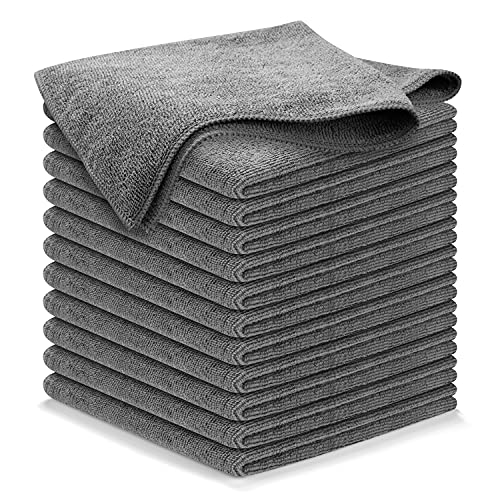
If the glass feels slick or sticky, a quick wipe with a microfiber cloth dipped in rubbing alcohol will restore clarity. Ensure the exterior is completely dry before returning the tube to a rack to prevent surface staining.
Glass Safety Tips for Your Crafting Workspace
Glass is inherently fragile, and accidents in a knitting space can lead to shards in yarn fibers, which are notoriously difficult to clean. Always position tubes toward the back of the table to prevent them from being knocked over by active knitting motions.
Consider adding a small silicone or rubber band around the middle of the tube to provide a better grip. This simple addition prevents the tube from sliding out of the hand, especially if the hands are dry or covered in hand cream.
If a tube breaks, use a piece of duct tape or a damp paper towel to pick up tiny glass shards rather than a vacuum, which can spread the fragments. Always treat glass storage as a stationary system, keeping these tubes away from the edge of the floor where they might be stepped on by accident.
Clear organization is the foundation of a relaxed, productive knitting practice. By selecting the right test tubes, you remove the clutter that interrupts your flow, allowing the focus to remain exactly where it belongs: on the yarn.