7 Best Online Classes For Trivet Design To Master
Master the art of trivet design with our curated list of the 7 best online classes. Boost your creative skills and start creating beautiful home decor today.
Trivets are more than just kitchen accessories; they are the perfect intersection of form, function, and fiber arts technique. Mastering these small-scale projects allows makers to experiment with heavy-gauge yarns and complex structural techniques without the time commitment of a full-sized sweater or blanket. The right trivet combines heat resistance with decorative appeal, protecting tabletops while showcasing a maker’s attention to detail. This guide explores the premier online resources to help elevate kitchen essentials into works of fiber art.
Skillshare’s Modern Macrame: Best for Beginners
Macrame offers a distinct advantage for beginners because it relies on structural knots rather than the tension consistency required for knitting or crochet. This class focuses on simple knotting patterns that create dense, heat-resistant surfaces using sturdy cotton cord.
Because macrame uses thicker cords, the progress is rapid and visually rewarding. Beginners learn to control spacing and tension, which provides a foundational understanding of how different fibers behave under pressure.
Avoid using synthetic cords like nylon for trivets, as they can melt when exposed to hot pans. Opt for high-quality, 100% cotton rope to ensure the final piece serves its practical purpose rather than just acting as a decorative coaster.
Domestika’s Woven Trivets: Best for Weavers


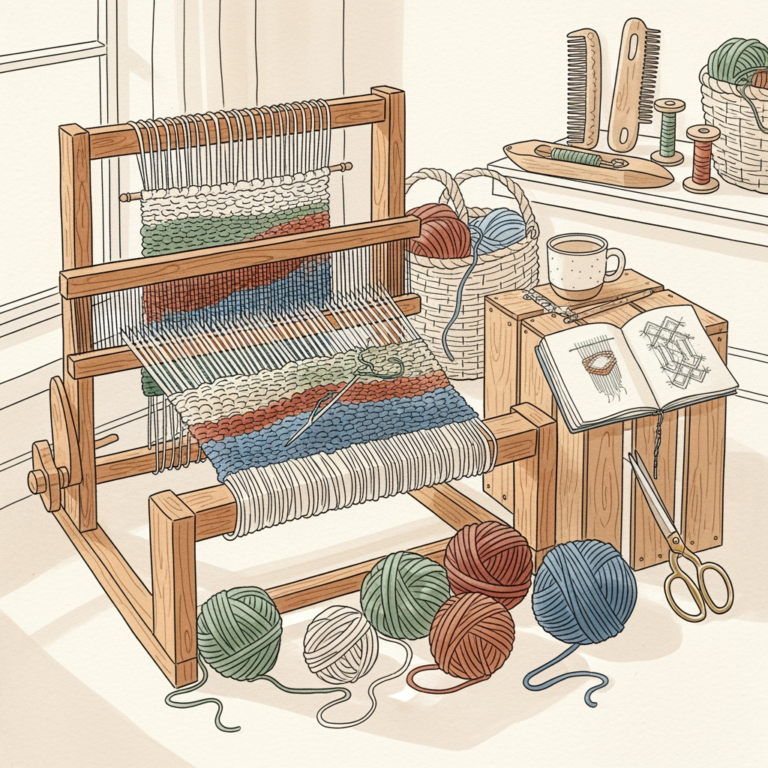
Weaving creates an incredibly stable, tight fabric that is ideal for supporting heavy, hot cast-iron cookware. This class explores frame loom techniques that transform textile scraps or sturdy roving into functional geometric shapes.
The structure of a woven trivet is inherently superior for heat insulation because of the high density of interlocking threads. Unlike knitting, which has inherent stretch, weaving provides a rigid base that resists deforming under the weight of a heavy Dutch oven.
For those new to weaving, consider starting with a small tabletop frame. Select fibers with high twist counts to minimize friction and wear, ensuring the trivet remains durable through years of daily kitchen use.
The Woolery’s Felted Art: Best for Wet Felting
Wet felting is the process of using soap, water, and agitation to lock wool fibers together into a dense, solid fabric. This technique creates one of the most effective heat-resistant materials available in the fiber arts world.
Felted trivets are prized for their thickness and natural insulating properties, as the dense structure traps air pockets that keep heat away from wood surfaces. When selecting wool for this process, focus on non-superwash varieties, as superwash treatments prevent fibers from interlocking properly.
Mastering the “fulling” process—where the fabric is shrunk deliberately—is key to achieving a professional, durable result. Aim for a final thickness of at least half an inch for maximum heat protection.
Craftsy’s Crochet Spirals: Best for Crocheters
Crochet is uniquely suited for trivets because it allows for easy, circular expansion using increases. The spiral technique taught in these classes results in a seamless, thick fabric that looks sophisticated on any dining table.
The beauty of crochet for this application lies in its ability to utilize double-stranded yarns or cotton twine. By doubling the strand, you increase the thermal barrier significantly without needing complex pattern adjustments.
Focus on maintaining even tension throughout the spiral to prevent the trivet from rippling or cupping. If the finished piece does not lay flat, aggressive blocking—soaking and pinning the fabric into shape—is essential to correct the geometry.
VeryPink’s Double Knit Trivets: Best Free Class
Double knitting is a technique that creates two layers of fabric simultaneously, resulting in a thick, reversible textile. For those comfortable with basic knit and purl stitches, this method offers a polished, professional finish without the need for additional backing.
Because the fabric is essentially double-layered, it provides excellent insulation against heat. The inherent thickness allows it to withstand the rigors of high-temperature cookware while showcasing intricate colorwork or texture.
When working double-knit trivets, keep the tension consistent between the two layers to avoid a loose, floppy result. Using a slightly smaller needle size than the yarn label suggests will help create a tighter, more functional fabric.
Etsy’s Quilted Trivet Class: Best for Quilters
Quilting provides an opportunity to use up fabric remnants and utilize batting for superior heat protection. This approach focuses on layering cotton fabric with heat-reflective or thermal batting to create a rigid, long-lasting trivet.
The strength of a quilted trivet comes from the density of the quilting stitches, which hold the layers in place and prevent shifting. Choose 100% cotton batting, as polyester may melt or degrade when placed under a very hot baking dish.
Precision in cutting and pressing is vital for a professional-looking finish. Use a walking foot on the sewing machine to ensure the fabric layers feed through evenly without bunching.
Creativebug’s Coiled Rope: Best No-Knit Option
Coiling is an ancient technique that involves wrapping rope with yarn or thread to create a solid, spiraling mat. This method is incredibly sturdy and requires no specialized knowledge of stitch patterns or loom mechanics.
This class excels at showing how to manage thick, bulky materials that would be difficult to knit. The result is a heavy, durable trivet that feels substantial in the hand and provides excellent protection against thermal shock.
When coiling, ensure the center is tight to prevent a hole from forming in the middle of the trivet. Use a heavy-duty needle and thread, or a sewing machine with a zigzag stitch, to securely lock the coils together.
Choosing Heat-Resistant Fibers for Your Trivet
The success of a trivet depends almost entirely on the fiber chosen. Heat resistance is the primary requirement, making natural fibers the only sensible choice for high-temperature applications.
- 100% Cotton: The gold standard for trivets; it is durable, washable, and does not melt.
- Wool: Excellent natural insulation, but must be felted to ensure density and prevent singeing.
- Linen: Extremely heat-resistant and strong, though it lacks the loft of wool.
- Synthetic Fibers: Generally avoid acrylic and polyester as they can melt, stick to cookware, or release toxic fumes.
Always prioritize high-twist yarns or cords. A high-twist fiber is less likely to pill or fray, ensuring the trivet remains attractive despite repeated exposure to hot dishes and kitchen moisture.
Knit vs. Crochet vs. Woven: Which Is Best?
Each technique offers a different trade-off between structural stability and aesthetic design. Weaving and felting generally provide the highest level of heat protection due to the density of the resulting fabric.
Knitting is the most versatile for pattern work, such as cable textures or color charts. However, knitted fabric is naturally more porous, meaning it often requires a thicker yarn or a double-layered approach to be truly effective as a heat barrier.
Crochet strikes a balance, providing more structural integrity than stockinette knitting while remaining more flexible than a woven loom piece. When in doubt, increase the fiber weight or use a double-strand technique to ensure the thickness is sufficient for safety.
How Thick Should Your Handmade Trivet Be?
Thickness is the primary determinant of a trivet’s effectiveness. While a decorative piece can be thin, a functional tool needs enough loft to create a buffer zone between a hot pan and a vulnerable surface.
Aim for a minimum thickness of 8mm to 10mm (approximately 3/8 to 1/2 inch). This thickness is sufficient to dissipate heat effectively before it reaches the table surface, preventing heat marks or damage to finishes.
If the fiber choice is naturally thin, such as a fingering-weight cotton, consider incorporating a layer of wool felt or thermal batting inside the project. Always err on the side of more thickness; it is better to have a trivet that is slightly bulky than one that fails to protect your furniture.
Mastering trivet design is a practical rite of passage for any fiber artist, blending technical skill with the functional demands of the home. By choosing the right fiber and technique, your projects will serve as both beautiful accents and reliable kitchen tools for years to come.