7 Best Sturdy Shelving Units For Fiber Inventory
Organize your yarn collection with our 7 best sturdy shelving units for fiber inventory. Shop these durable storage solutions to protect your stash today.
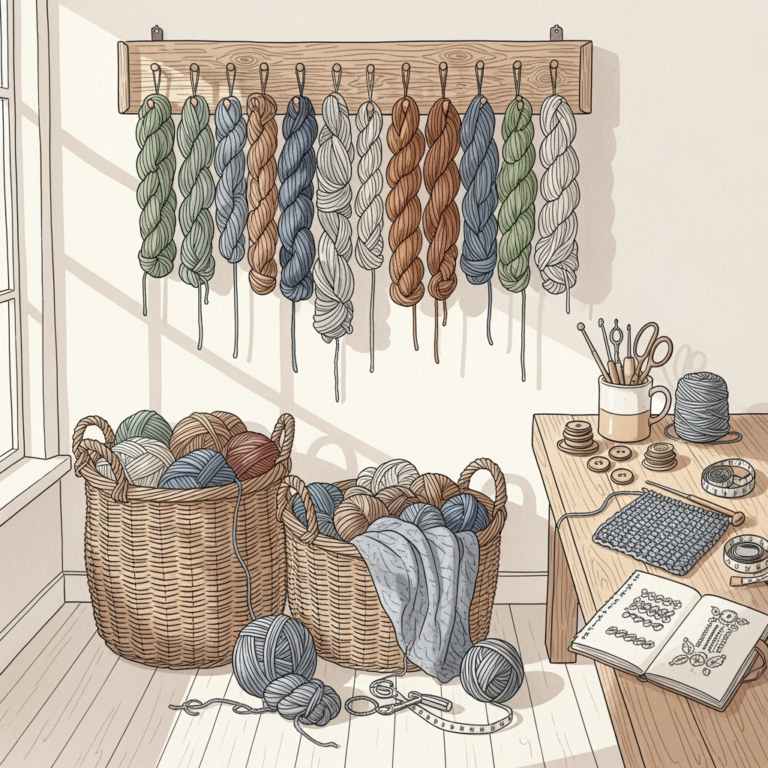
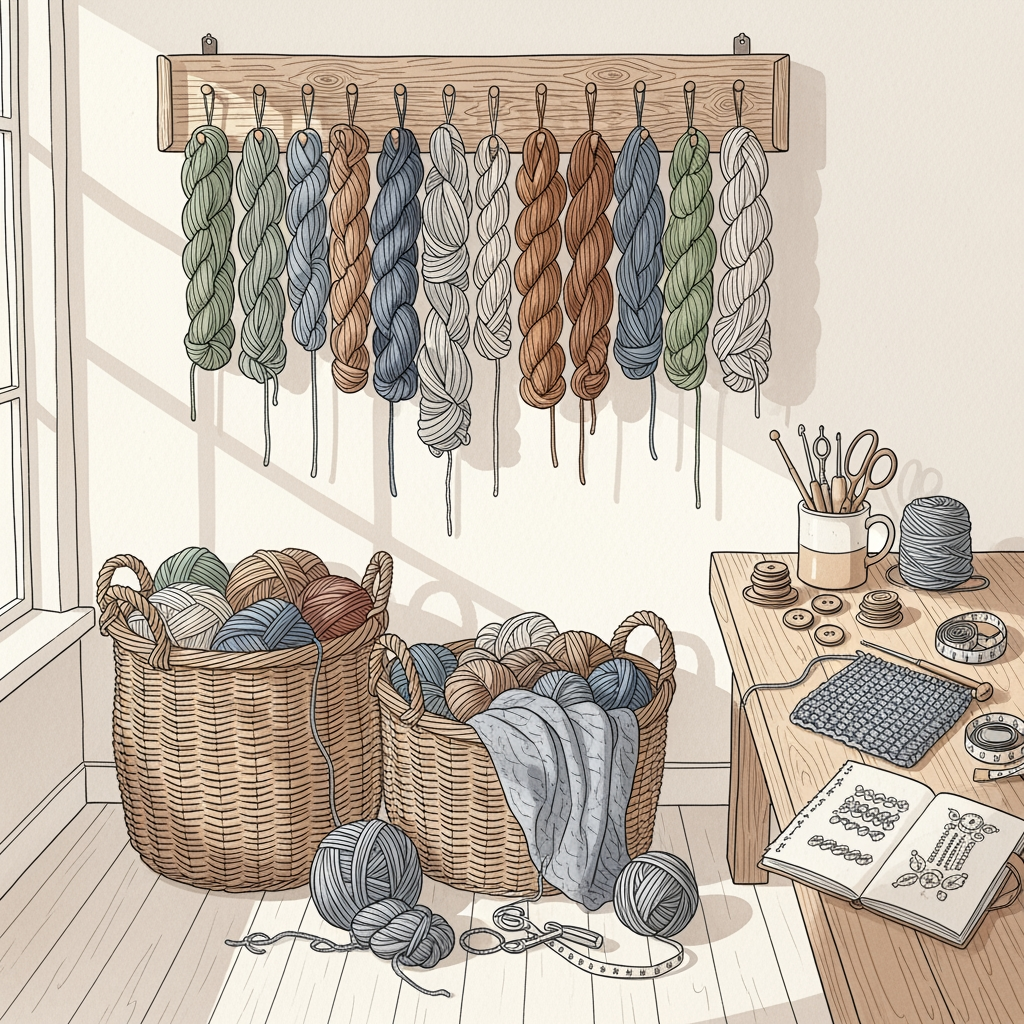
Building a thoughtful yarn stash requires more than just an eye for color and texture; it demands a systematic approach to storage that keeps fibers accessible and protected. Whether a collection consists of a few dozen hand-dyed skeins or a sprawling stash of sweater-quantities, the shelving choice fundamentally dictates how often those fibers are used versus merely collected. A disorganized stash often leads to forgotten yarn, leading to redundant purchases and project indecision. Prioritizing sturdy, well-ventilated, and organized storage ensures every gram of wool, alpaca, or silk remains in its best possible condition for years to come.
IKEA KALLAX: The Ultimate Crafter’s Classic


The KALLAX remains the gold standard for fiber storage because its dimensions are perfectly suited for standard yarn cakes and skeins. Its square cubby design allows for modular organization by color, weight, or fiber content, preventing the dreaded “bottom-of-the-bin” yarn graveyard.
Because the unit is made of thick particleboard, it provides a stable, flat surface that won’t sag under the weight of heavy, high-ply wools. This is crucial for long-term storage where warping can stress the structure and make sliding bins in and out a daily frustration.
However, be mindful that the open-back design allows for dust accumulation if placed against an exterior wall. If the stash includes delicate fibers like mohair or angora that are prone to trapping dust, consider adding simple backings or using enclosed fabric bins to keep the fibers pristine.
AmazonBasics Wire Shelving: Best Overall Value

Wire shelving is the preferred choice for knitters who prioritize maximum airflow to prevent moisture buildup. Storing protein fibers like wool in airtight plastic containers for long periods can sometimes trap residual humidity, creating a breeding ground for mildew or moths.
The adjustable nature of these shelves means the height can be tailored to fit bulky cones of weaving yarn or tall stacks of sweater-quantity bags. By spacing the shelves precisely, you eliminate wasted vertical space that often occurs with standard bookshelves.
While functional, wire shelves can leave indentations on skeins if they are placed directly on the rungs. Always place yarn inside bins or on top of shelf liners to ensure your hand-dyed yarns don’t pick up the pattern of the wire grid over time.
The Container Store Elfa: Best Custom System

The Elfa system excels for those with a dedicated, oddly-shaped craft room or a closet that needs to pull double-duty as a yarn vault. Its wall-mounted design clears floor space, allowing for easier movement when blocking large projects or winding multiple skeins on a ball winder.
Investing in a system like this allows for the inclusion of pull-out mesh drawers, which are superior for organizing smaller notions like cable needles, tapestry needles, and stitch markers. Having tools and yarn in the same modular footprint streamlines the process of starting a new project.
Because it is a modular, high-end system, it represents a significant upfront investment. It is best reserved for those with a permanent studio space who want a “forever” solution that can be reconfigured as the stash grows or changes in character.
SONGMICS Cube Organizer: Most Versatile Setup

The SONGMICS cube organizer offers a lightweight, flexible alternative that is particularly useful for apartment dwellers or those who rearrange their craft space frequently. These units are often modular, allowing you to stack them horizontally or vertically to fit specific wall configurations.
While not as rigid as solid wood units, they are more than adequate for storing standard 50g and 100g skeins. The fabric bins that typically accompany these sets are excellent for containing unruly, slippery fibers like silk or bamboo that tend to slide off open shelves.
Always check the weight rating before stacking high, as plastic connectors can lean if overloaded with heavy, dense wool. Keep the heaviest items—like cones or full sweater quantities of wool—on the bottom row to ensure the stability of the entire structure.
Origami Foldable Shelf: Best for Small Spaces
The Origami folding shelf is the ideal solution for the knitter whose stash fluctuates in size or who requires a “pop-up” storage area during a big knitting retreat or workshop. No tools are required for assembly, which is a massive advantage for those who dislike complicated setups.
Its powder-coated steel construction is incredibly robust, capable of holding significant weight without bowing. If you frequently store heavy cotton or linen yarns—which are significantly denser than wool—this unit provides the structural integrity needed to prevent shelf failure.
Since the unit folds flat, it can be tucked behind a sofa or into a closet when not in use. This makes it an excellent choice for knitters who share space with others and need their craft supplies to remain inconspicuous when they aren’t working on a project.
IRIS USA Cube Organizer: Best Budget-Friendly Pick
The IRIS cube organizer provides a clean, professional aesthetic at a price point that leaves more room in the budget for premium yarns. These units are specifically designed to be compatible with a wide array of decorative bins, making it easy to create a uniform, visually calming stash.
When organizing by color, these units allow for a “rainbow” effect that makes selecting yarn for colorwork projects much more intuitive. By assigning each cube a specific weight—for example, one for lace, one for fingering, one for worsted—you can quickly scan your inventory before checking a pattern’s gauge requirements.
Because these units are typically made of lighter materials, use them in rooms with stable temperatures and humidity. They are best suited for climate-controlled environments where moisture-related issues are less likely to affect the particleboard construction.
Gladiator Steel Shelving: For The Heaviest Stash
Gladiator shelving is the professional choice for knitters with massive stashes or those who store entire collections of equipment, including rigid heddle looms or floor looms. These industrial-grade shelves are virtually indestructible and built to withstand decades of use.
The depth of these shelves allows for deep-storage, which is perfect for keeping boxes of backup knitting needles, pattern binders, and yarn that isn’t currently in rotation. If the stash includes heavy natural fibers or spinning fleeces, this is the only option that offers true peace of mind.
While they may lack the “homey” aesthetic of a wooden bookshelf, they are the most secure defense against structural collapse. For a serious collector, the industrial look can be softened with fabric dividers or by using decorative storage totes that fit perfectly within the wide bays.
How To Protect Your Stash From Pesky Moths
Storing yarn in open air, while aesthetically pleasing, invites the risk of clothes moths and carpet beetles. Even in the cleanest home, these pests can find their way to high-protein fibers like wool, alpaca, silk, and cashmere.
- Seal and Store: Keep expensive, non-synthetic yarns in airtight plastic bags or sealed bins when not in use.
- The Freezer Method: If you suspect an infestation, place the affected yarn in a sealed bag and freeze it for at least 72 hours to kill larvae.
- Natural Deterrents: Use cedar blocks or lavender sachets, but remember these only deter; they do not kill established colonies.
- Regular Inspection: Rotate your stash at least twice a year, gently shaking out skeins to check for signs of webbing or damage.
Organizing Yarn: By Weight, Fiber, or Color?
The debate over stash organization is constant, but the most efficient method depends on how you approach pattern selection. Organizing by weight—grouping all fingering weight together, then sport, then worsted—is usually the most practical for ensuring you have the right yarn for your next sweater project.
Organizing by fiber type is highly beneficial if you have specific sensitivities or allergies, allowing you to quickly isolate all your wool-free options. However, this method can make it difficult to find a specific color if your stash is large.
Organizing by color is visually stunning and often inspires new colorwork combinations or gradient projects. The best approach is often a hybrid: group by weight first, then organize by color within those weight categories to make stash-diving a creative and efficient process.
Shelf Bins vs. Open Storage: The Pros and Cons
Open storage allows you to see your inventory at a glance, which encourages you to use what you have rather than constantly buying new yarn. It turns your stash into a display piece, keeping your fiber passion front-and-center in your living space.
However, open storage exposes fibers to sunlight, dust, and potential pests. Sunlight, in particular, can fade natural dyes over time, potentially ruining the color accuracy of your skeins if you are planning to combine them later.
Shelf bins, by contrast, offer total protection from light and debris while creating a tidy, uniform look. The tradeoff is “out of sight, out of mind”; fibers tucked away in opaque bins are easily forgotten. Use clear bins if you choose the container route to maintain visibility while keeping your stash safe and dust-free.
Whether you opt for heavy-duty steel or a modular wooden cubby, the goal is to create a home for your yarn that makes your knitting practice easier and more enjoyable. A well-organized stash is a well-utilized stash, ensuring those beautiful fibers eventually become the projects they were meant to be.