7 Best Felted Teapot Warmers For Tea Service To Try
Keep your brew hot with our guide to the 7 best felted teapot warmers. Discover beautiful, handcrafted designs to elevate your tea service. Shop the list now!
A lukewarm cup of tea is a tragedy for any maker mid-project, turning a relaxing break into a rushed experience. Choosing the right tea cozy goes beyond aesthetics; it requires an understanding of how wool fibers trap pockets of air to regulate temperature. These seven options demonstrate the intersection of traditional felting techniques and modern thermal requirements. Selecting the correct vessel cover ensures the brew stays piping hot, regardless of how long the latest row of colorwork takes to complete.
Felted Sheep Wool Tea Cozy: Best Classic Look


The classic sheep wool cozy relies on the inherent lanolin and crimp of unspun fleece to create a superior thermal barrier. When wool is felted, the scales of the fiber lock together, creating a dense, non-woven fabric that excels at heat retention.
This style remains the gold standard for traditionalists who prefer a heavy, structured look. Because of the density achieved during the wet-felting process, these cozies often stand upright on their own, even when not covering a pot.
Avoid choosing a cozy that is too tightly fitted. Proper insulation requires a small air gap between the teapot and the felt to prevent heat conduction from the ceramic directly to the outer surface.
Modern Minimalist Felt Teapot Cozy: Sleek Design
Minimalist cozies prioritize geometric shapes and muted color palettes, perfect for a studio setting where visual clutter is kept to a minimum. These designs often utilize needle-felted construction, which allows for crisp edges that wet felting cannot always replicate.
The trade-off for this clean aesthetic is often a thinner wall profile. While these pieces provide sufficient warmth for a quick afternoon steep, they may lose heat faster than a traditional bulky, multi-layered felted piece.
Select a minimalist cozy if the teapot is kept on a warming tray or if the tea is consumed within thirty minutes. If the intent is to keep a pot warm for an hour or more, prioritize thickness over a low-profile silhouette.
GingkoLeaf’s Felted Fox Tea Cozy: Most Whimsical
Whimsical cozies bring personality to the tea service, often featuring intricate needle-felted details or sculptural elements. These pieces showcase the versatility of wool, proving that fiber art can be both functional and playful.
When evaluating these designs, inspect the attachments—such as ears, tails, or eyes—for secure anchoring. Needle-felted appendages should be deeply rooted into the base fabric to ensure they withstand the repeated handling of daily use.
These cozies make excellent gifts for fellow crafters who appreciate the labor-intensive nature of dimensional felting. Always consider how the added texture affects the overall weight and balance of the cozy when it is removed from the pot.
Felt & Yarn Basic Wool Cozy: Top Budget Pick
For those new to the benefits of felted insulation, a basic wool cozy provides an affordable entry point without sacrificing essential heat-trapping properties. Many of these options combine machine-knitted wool, which is subsequently fulled, to create a durable, felt-like texture.
Fulling—the process of shrinking knitted fabric through agitation and heat—creates a fabric that is significantly more wind-resistant and insulating than standard stockinette. This method is cost-effective and results in a cozy that is easy to store and wash.
Check the yarn label for fiber content before purchasing. Avoid blends with high percentages of synthetic fibers, as they do not felt effectively and will lack the thermal efficiency of 100% natural wool.
ArtesanFelt Hand-Painted Cozy: Best Artistic
Hand-painted or dyed felted cozies elevate the tea service to an art form, often using acid dyes that bond permanently with protein fibers. These pieces are typically created by wet felting layers of merino wool, which yields a soft, pliable surface perfect for intricate patterns.
The artistic value often comes with a higher price point, reflecting the hours spent on surface design and fiber manipulation. Treat these pieces as showpieces rather than rugged daily drivers to preserve the vibrancy of the pigments.
If the surface looks delicate, look for a lining. A simple cotton or muslin lining adds a protective layer between the painted exterior and the hot teapot, preventing potential heat damage or color transfer.
Double-Thick Felt Pot Warmer: Best for Heat
When the goal is absolute temperature control, double-thick felted wool is the only practical solution. By layering two distinct sheets of felt, the air-trapping capacity of the cozy doubles, creating a formidable barrier against ambient room temperatures.
The weight of a double-thick cozy can be significant, so ensure the teapot handle remains accessible. Look for designs that feature a wrap-around style with toggle closures rather than a simple pull-over dome, as this makes the cozy easier to maneuver around handle hardware.
These are essential for large-capacity teapots or for use in drafty workspaces. The added mass acts like a thermal blanket, keeping tea at an optimal steeping temperature for extended periods.
Scandinavian Folk Art Felt Cozy: Best Nordic
Scandinavian-style cozies often employ traditional embroidery techniques atop a dense, felted base. These designs focus on durability and rustic charm, frequently incorporating high-contrast colors and geometric motifs inspired by heritage knitting patterns.
The combination of dense, boiled wool and surface embroidery creates a rigid structure that holds its shape exceptionally well over time. This rigidity is a hallmark of quality Nordic-style goods and signals a long lifespan for the item.
Consider these cozies if durability is the primary requirement. The heavy construction ensures they will not slouch or lose form after repeated uses, maintaining a tidy appearance on the table.
How to Choose the Right Size Cozy for Your Teapot
- Measure the circumference: Use a flexible tailor’s tape around the widest part of the teapot, including the handle and spout if the cozy is a wrap-around style.
- Factor in height: Always add an extra inch to the height measurement to allow for the cozy to sit flush against the table, preventing heat from escaping out of the bottom.
- Account for spout clearance: Ensure the opening for the spout is generous enough that steam does not dampen the felt, which can cause the material to lose its shape or develop a musty scent.
- Test the weight: If the teapot is glass or fragile ceramic, ensure the cozy is lightweight to prevent tipping during the pour.
Caring for Your Felted Wool Teapot Warmer
Routine care is minimal, but essential for longevity. Shake the cozy gently after each use to remove any trapped moisture or tea debris. If tea spills onto the felt, spot-clean immediately with cool water and a mild wool-safe detergent, dabbing—never rubbing—the affected area to avoid spreading the stain.
Never machine wash a felted cozy unless the label explicitly states it is made from pre-shrunk, treated wool. Submerging non-washable felt will lead to further shrinking and distortion, ruining the structural integrity of the piece.
For odors, air the cozy out in sunlight for a few hours. The natural properties of wool, combined with ultraviolet light, act as a deodorizer that keeps the fiber fresh without the need for harsh chemicals.
What Is Needle Felting vs. Wet Felting?
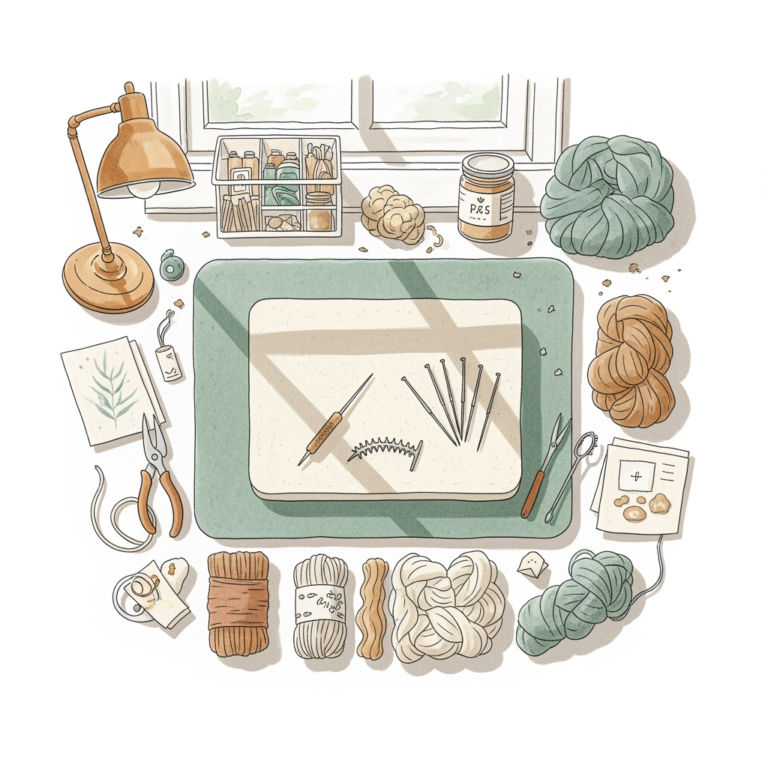
Needle felting involves using a barbed needle to physically interlock wool fibers by pushing them repeatedly into a base material. This technique is ideal for creating sculptural details and complex patterns that require precision and a sharp edge.
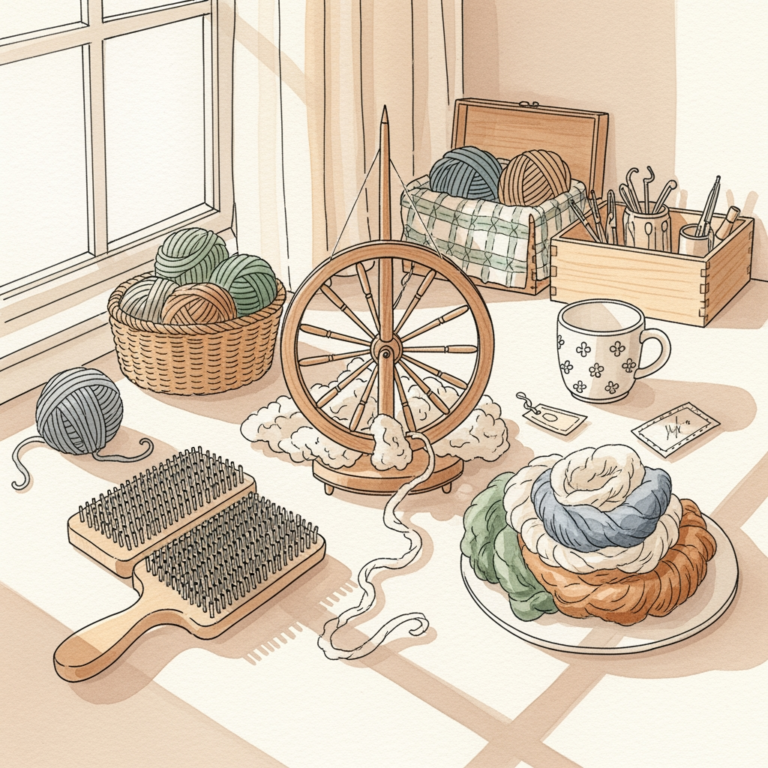
Wet felting uses hot water, soap, and friction to agitate fibers until they lock together into a cohesive fabric. This method produces a more uniform, dense material that is better suited for larger, flat surfaces like the main body of a cozy.
Many high-quality cozies utilize a hybrid approach, using wet felting for the structural base and needle felting for the decorative flourishes. Understanding these two methods helps identify the difference between a mass-produced piece and a hand-crafted work of art.
A well-chosen felted tea cozy is a testament to the maker’s appreciation for both utility and beauty. By prioritizing the thermal properties of raw wool, you ensure that every cup of tea remains as hot as the first pour. Invest in quality felt, treat it with care, and enjoy the perfect brew at your own pace.