6 Best Serger Storage Bins For Organizing Accessories
Tidy your sewing space with our top 6 picks for serger storage bins. Discover the best organizers for your accessories and shop our expert recommendations today.
Serging adds professional polish to seams and prevents fraying on delicate lace or bulky wool knits alike. However, the sheer volume of specialized feet, proprietary needles, and thread cones can quickly overwhelm a craft space. Staying organized is not merely about aesthetics; it is about ensuring that a quick garment finish does not turn into a scavenger hunt for a specific gathering foot. A well-structured storage system transforms the serger from a daunting machine into a reliable partner in the garment-making process.
ArtBin Super Satchel: Best for Large Collections


The ArtBin Super Satchel offers a robust, expansive solution for those who have moved beyond the basic serger kit. With deep compartments and adjustable dividers, it accommodates bulky attachments like gathering feet or rolled-hem plates that simply won’t fit in smaller containers.
When managing a collection that includes multiple specialty feet for diverse fabric weights, the ability to customize interior space is paramount. Unlike rigid, pre-molded containers, this bin allows for long-term growth as the serger accessory arsenal inevitably expands.
For the dedicated sewist handling everything from fine silk knits to heavy-duty cottons, keeping these specialized tools in one secure location prevents them from becoming lost or damaged. Bottom line: if the accessory collection is growing rapidly, prioritize this heavy-duty, scalable storage.
IRIS USA Project Case: Best for Small Spaces
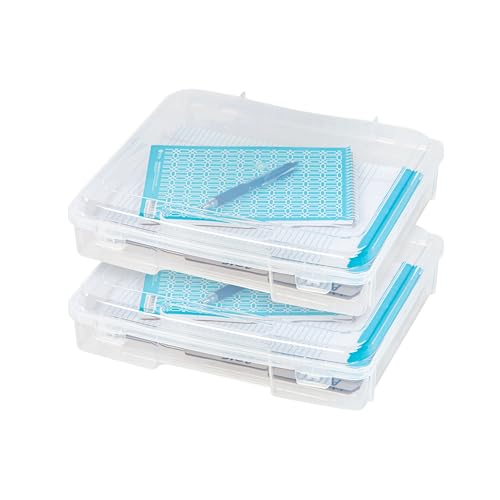
The IRIS USA Project Case is a sleek, low-profile option for sewing rooms where table real estate is at a premium. Its slim design allows it to slide easily into a bookshelf or under a serger table without interfering with the workspace.
Because these cases are transparent, identification of contents is instantaneous. There is no need to open five different boxes to find the correct screwdriver or tweezers when the machine is mid-tension adjustment.
While these cases lack deep capacity, they are perfect for keeping a specific project’s tools—such as a dedicated set of needles for knits—separated from the general sewing kit. Bottom line: choose these for a clean, modular setup that respects limited physical boundaries.
Sterilite 3-Drawer Unit: Best Vertical Storage
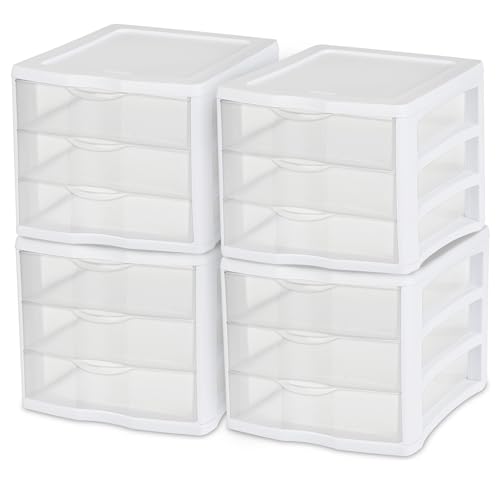
A 3-drawer unit maximizes floor space by building upward, keeping frequently used items at eye level. This design is highly effective for categorizing accessories by function: needles in the top drawer, feet in the middle, and maintenance tools like oil and cleaning brushes at the bottom.
Vertical storage prevents the common issue of buried accessories, where the most essential tools are always trapped at the bottom of a bin. By separating the items into distinct tiers, workflow efficiency increases significantly during complex projects.
Keep in mind that these units are generally made of lighter-weight plastic. Bottom line: use this for high-turnover items that require quick access but keep heavier metal components in the base drawers to prevent tipping.
Deflecto Stackable Caddy: Most Versatile System

The Deflecto Stackable Caddy utilizes a modular, vertical stacking system that functions like building blocks for a sewing room. It is unique in its ability to be reconfigured as the needs of a project change, moving from a multi-tiered tower to individual bins during a busy sewing session.
This versatility is ideal for a machine that uses a wide variety of attachments, such as elastic appliers or piping feet, which are only needed intermittently. Users can grab a single bin, take it to the machine, and leave the rest of the tower undisturbed.
The trade-off is that these units can become top-heavy if the base is not weighted properly. Bottom line: this is the best choice for those who value flexible, adaptable storage over permanent, static organization.
Akro-Mils Craft Cabinet: Best for Tiny Notions

The Akro-Mils Craft Cabinet features numerous small, clear drawers that are perfectly sized for the small, easily misplaced components of a serger. It is the premier choice for storing extra needles, blade screws, and tension discs.
In fiber arts, losing a tiny set screw during a machine cleaning can stop a project dead in its tracks. Sorting these minuscule parts into dedicated, labeled drawers ensures that the critical hardware remains organized and visible.
Because these drawers are so small, they are unsuitable for bulkier items like feet or spools. Bottom line: pair this cabinet with a larger bin system to create a comprehensive, multi-tiered organization strategy.
Creative Options Grab ‘N Go: Top Travel Choice
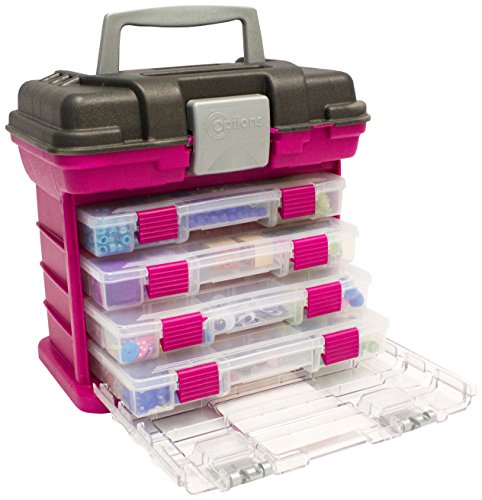
The Creative Options Grab ‘N Go is designed for the sewist who frequently transports their equipment to workshops or sewing retreats. Its durable handle and secure latches ensure that specialized feet and tension tools stay in their assigned compartments during transit.
When traveling with a machine, it is common to toss essentials into a generic bag, leading to scratches or bent needles. A dedicated travel case prevents damage to sensitive precision tools that are difficult and expensive to replace.
The main challenge is the fixed size of the compartments, which might not accommodate larger, non-standard feet. Bottom line: this is an essential investment for anyone who takes their sewing hobby on the road.
What to Look for in a Serger Accessory Bin
Selecting the right storage is more than just picking a color; it is about protecting the precision mechanics of the machine. The following features are non-negotiable for a serious sewist:
- Transparency: Being able to see inside saves time and reduces frustration.
- Dividers: Adjustable sections allow the storage to adapt to various foot sizes.
- Security: Strong latches ensure tools do not spill if the bin is accidentally tipped.
- Material: Hard-shell plastic is preferable to soft bags for protecting delicate metal feet.
Prioritize durability to ensure the investment lasts as long as the serger itself. A bin that cracks or has faulty hinges will ultimately fail to protect the equipment inside.
How to Organize Your Serger Feet and Needles
Organizing serger accessories requires a systematic approach based on frequency of use. Keep the tools required for daily maintenance—such as the lint brush and screwdriver—in the most accessible drawer or bin.
Group specialty feet by their specific function: hemming, gathering, or decorative stitching. It is helpful to label each section clearly, as some feet appear deceptively similar even to experienced eyes.
Regarding needles, keep them in their original packaging whenever possible to ensure the needle size and point type—such as ballpoint or universal—remain clearly identified. Swapping out a needle mid-project is common; having them pre-sorted prevents accidental use of the wrong tip on a delicate knit.
Storing Serger Thread Cones vs. Spools
Serger thread cones are significantly taller and wider than standard sewing thread spools, requiring specialized storage considerations. For cones, vertical pegboards or dedicated deep-drawer systems are far superior to bins, as they prevent the cones from tipping over and tangling.
If storage space is limited, keep only the currently active cones on the machine and store the rest in dust-proof containers. Dust and fiber debris can settle on thread, eventually getting pulled into the machine’s tension disks and causing inconsistent stitch quality.
Never store thread in direct sunlight, as UV rays can weaken synthetic fibers over time, leading to thread breakage during high-speed serging. Bottom line: treat threads as carefully as high-end wool yarn to ensure stitch consistency.
Maximize Your Space: Stacking vs. Wall Mounts
Wall-mounted storage is an excellent way to clear off a workspace, especially when using pegboards for tools and thread. However, wall mounts can be inflexible, making it difficult to reorganize as the collection grows.
Stacking bins provide a more modular approach, allowing for growth and easy reconfiguration. If space is tight, consider a hybrid approach: mount the most frequently used items like tweezers and oil on a wall, and reserve floor space for stackable bins containing bulkier accessories and specialty feet.
Always evaluate the wall strength before mounting heavy thread racks to prevent accidental damage. Bottom line: choose wall storage for accessibility and stacking storage for scalability and portability.
Effective organization of serger accessories is a hallmark of a thoughtful maker who values both the process and the end result. By choosing the right storage system, you protect your delicate machine tools and create a seamless workflow that encourages creativity. With everything in its place, the focus remains entirely on the fiber and the stitches.