7 Best Drafting Pens For Fine Line Work To Use
Discover the 7 best drafting pens for fine line work to elevate your precision drawings. Explore our expert-tested top picks and upgrade your art kit today.
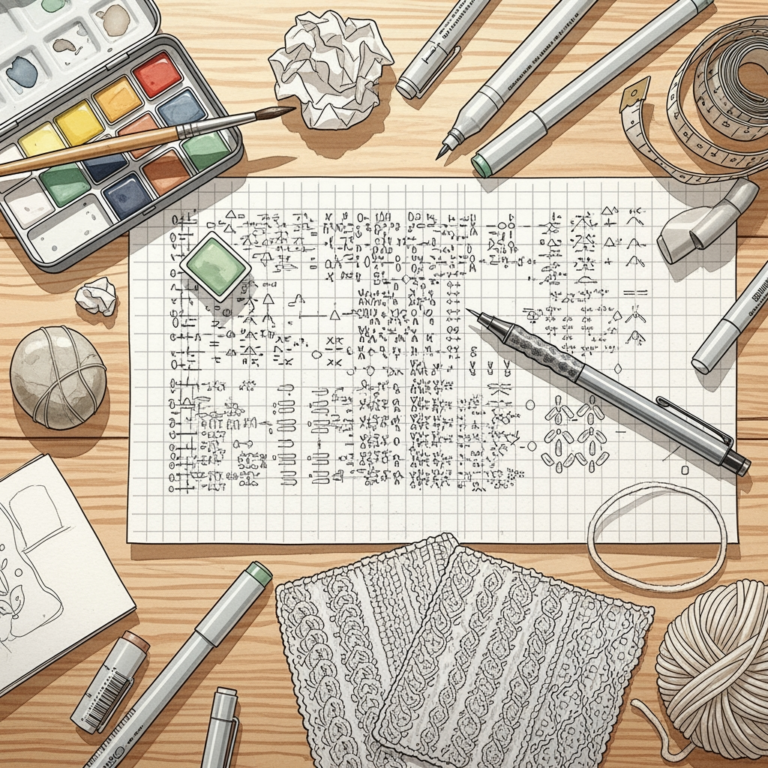
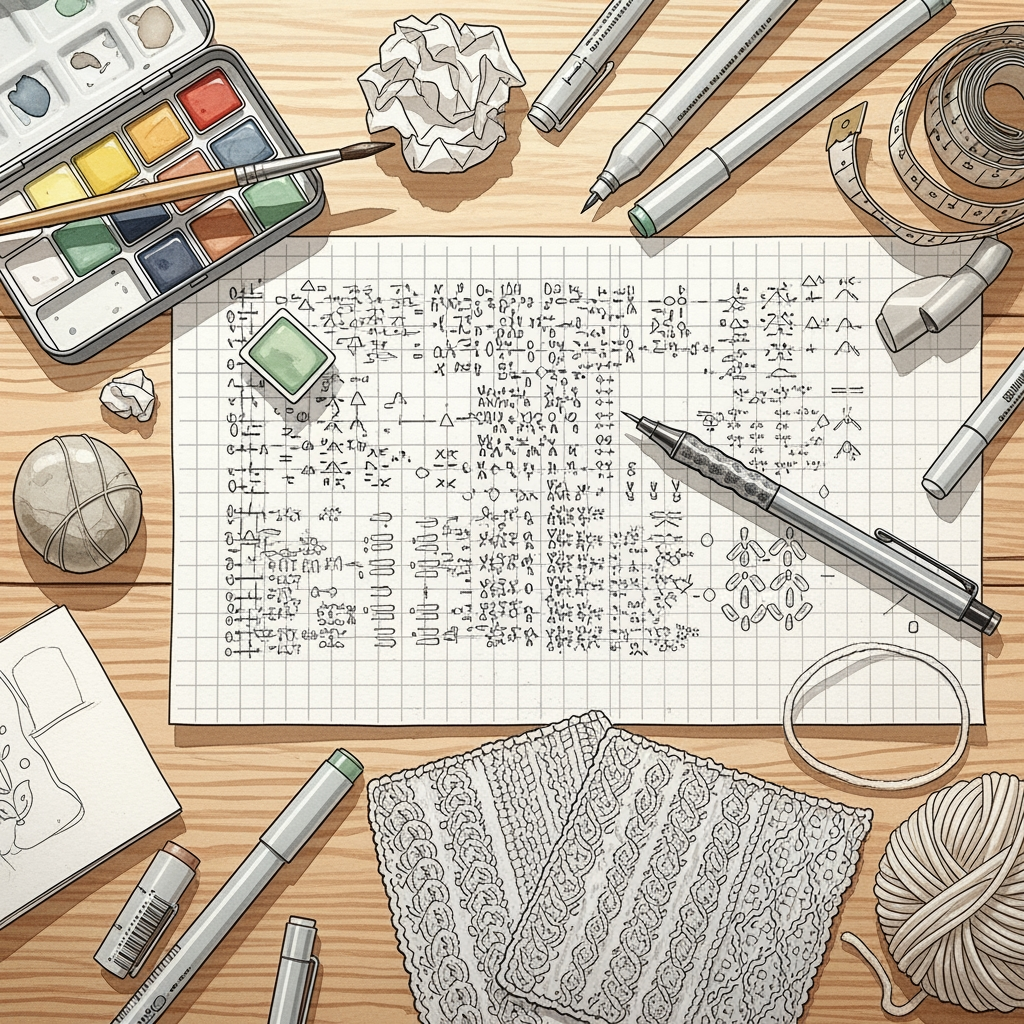
Translating intricate lace charts and colorwork motifs onto paper requires the same precision as calculating a complex decrease row on a circular needle. Drafting pens are the essential tools for mapping out stitch patterns, documenting gauge swatches, or designing custom schematics before picking up a single strand of yarn. Much like choosing the right needle material for a slippery silk-mohair blend, selecting a pen depends on the texture of the paper and the intended use of the design. Precision in drafting ensures that complex cables and charted increases remain readable throughout the long hours of a project.
Sakura Pigma Micron: The Best Overall Performer
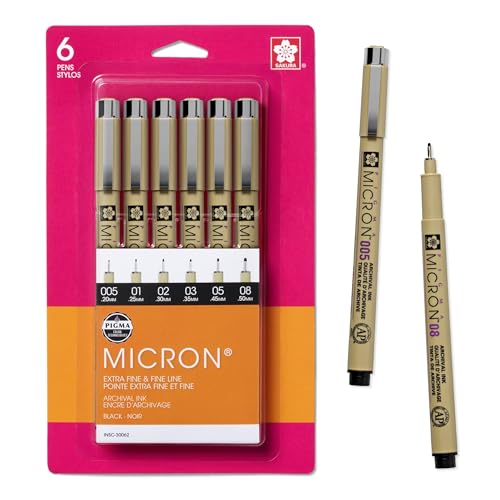

The Sakura Pigma Micron is widely regarded as the industry standard for designers who need consistent, reliable lines for charting. These pens provide a steady, skip-free experience that mimics the smooth glide of a high-quality stainless steel knitting needle through wool.
Because they use archival-quality ink, they are ideal for drafting permanent records of original pattern designs or personal knitting modifications. The nibs are remarkably resilient, holding their shape even under the steady, repetitive pressure needed to draw thousands of individual stitch symbols.
If the goal is to create professional-looking charts that will be referenced repeatedly during a project, these are the go-to. However, the nibs can fray slightly if pressed too hard on textured paper, so a light touch is essential.
rOtring Isograph: The Professional’s Choice Pen

For the serious designer who treats charting with the same rigor as a master class in steeking, the rOtring Isograph represents the pinnacle of technical precision. These are refillable, steel-nibbed pens that provide a level of line consistency impossible to find in disposable alternatives.
These pens allow for the replacement of individual components, making them a long-term investment akin to purchasing a set of high-end interchangeable needles. The ink flow is regulated by a precision-engineered system that prevents the common clogging issues seen in lesser tools.
While they require more maintenance than disposable pens, they are indispensable for fine-detail work like miniature colorwork motifs. Mastery of this tool requires patience, but the result is a perfectly crisp line that translates flawlessly to complex knitting instructions.
Staedtler Pigment Liner: Most Reliable Ink Flow
Reliability in ink flow is as critical as consistent tension when working with a finicky alpaca fiber. The Staedtler Pigment Liner excels here, offering a predictable, non-bleeding ink stream that remains constant regardless of the drawing speed.
This stability is particularly helpful when sketching out complex lace repeats where missing a single dot or dash could result in a misaligned pattern. The casing is ergonomic and sturdy, feeling balanced in the hand during the long drafting sessions that often follow a finished project.
One significant advantage is the “dry-safe” ink technology, which prevents the pen from drying out even if the cap is left off for a short period. It acts as a safety net for the distracted designer who might get pulled away from the desk to tend to a drop-stitch repair or a tangled skein.
Copic Multiliner SP: The Best Refillable Option
The Copic Multiliner SP stands out for its high-quality aluminum body and the ability to replace both the ink cartridges and the nibs. This makes it an environmentally conscious and economically sound choice for those who design patterns frequently.
The weight of the metal barrel provides a satisfying heft, grounding the hand and encouraging stability—much like a heavy wood needle helps anchor a lightweight lace yarn. Since every part is modular, the pen can be customized to suit the specific needs of the drafter.
The ink is both waterproof and bleed-proof, meaning that any color-coding or highlighting added to a chart afterward will remain distinct. It is the perfect tool for the designer who demands a permanent, professional-grade drafting instrument that does not require constant replacement.
Uni Pin Fine Line: Our Top Budget-Friendly Pick
Not every charting project requires the high cost of a professional technical pen, and the Uni Pin Fine Line provides excellent results at a fraction of the cost. These pens offer a surprisingly smooth flow and deep, pigment-rich ink that stands out clearly on standard white graph paper.
They are ideal for the hobbyist who wants to sketch out simple pattern variations or keep a rough log of gauge swatches. The nibs are durable enough for daily use, and the selection of sizes is more than adequate for most standard charting needs.
While they are not as customizable or long-lasting as higher-end technical pens, they offer a low-stakes way to begin the drafting process. Keep a set on hand for quick sketches and draft notes where absolute archival perfection is not the immediate priority.
Faber-Castell Pitt: Best for Archival Quality
Faber-Castell Pitt pens utilize high-quality India ink, which is lightfast and permanent, ensuring that original pattern designs survive for years of repeated reference. This makes them the superior choice for designers who prioritize the long-term preservation of their work.
The ink dries quickly and does not ghost through thinner paper, allowing for double-sided note-taking or compact chart layouts. These pens are gentle on the paper, which is helpful when using higher-quality, textured stationery that might otherwise pill under the nib.
If the work involves creating hand-drawn charts that serve as permanent legacy documents, the archival properties of this ink are unmatched. The variety of nib sizes allows for a mix of bold outline work and delicate stitch detailing, providing a complete range for any project.
rOtring Tikky Graphic: A Great Starter Pen Set
The rOtring Tikky Graphic series is an excellent entry point for those transitioning from pencil-sketched designs to professional-looking, inked charts. They combine a free-ink system that produces a clear, consistent line with a modern, approachable design.
These pens are less finicky than the professional Isograph range, making them perfect for those who want immediate results without mastering complex maintenance protocols. They work well for clear, legible notation of row-by-row instructions and stitch symbols.
While they lack the refillable luxury of their more expensive siblings, they provide the necessary consistency to ensure that a finished chart is easy to read while working on a project. They represent the perfect balance between ease-of-use and technical accuracy.
Choosing the Right Nib Size for Your Linework
Selecting the correct nib size is as fundamental as choosing the correct needle size for a specific yarn weight. A 0.05mm or 0.1mm nib is perfect for the fine-detail work required in complex lace or intricate cable charts where clarity is paramount.
For general drafting, such as outlines for pattern schematics or labels on a gauge swatch, a 0.3mm to 0.5mm nib provides enough weight to be seen clearly without overwhelming the space. If the goal is to draw larger symbols or fill in blocks for colorwork, a 0.8mm or 1.0mm nib will save time and increase visibility.
Always consider the scale of the chart; cramming too much information onto a small page requires a finer nib to maintain legibility. Experiment with different weights on a scratch piece of paper first to see how they look alongside your intended yarn type and swatch density.
Pigment vs. Dye Ink: What’s the Difference?
Understanding ink types is just as vital as understanding the difference between wool and cotton when selecting your materials. Pigment-based inks, found in most professional drafting pens, are suspended particles that sit on the surface of the paper, making them archival, waterproof, and fade-resistant.
Dye-based inks, by contrast, soak into the fibers of the paper, which can lead to feathering or bleeding if the paper is not high-quality. While dye inks often appear more vibrant, they lack the longevity and crispness required for complex technical charts.
For long-term knitting records, always opt for pigment-based inks to ensure the work remains legible through years of use and storage. If you plan to highlight or use watercolors on your charts, pigment ink is non-negotiable to prevent smearing.
How to Care for Your Technical Drafting Pens
Proper care is the secret to getting a long, productive life out of any technical tool, just as proper washing and storage protect your hand-knitted garments. Always cap pens immediately after use to prevent the ink from evaporating and the nib from drying out.
If using a refillable pen, flush the nib assembly periodically with warm, distilled water to prevent ink build-up, especially if the pen has sat idle for a week or more. Avoid pressing too hard while drawing, as this can splay the nib and permanently ruin the line precision.
When storing pens for an extended period, keep them horizontal to ensure the ink remains distributed evenly throughout the system. Treat these tools with the same respect you would afford your favorite set of polished wooden needles, and they will support your design process for years to come.
Selecting the right pen transforms the act of charting from a chore into a precise extension of the creative process. Whether opting for a professional refillable system or a convenient disposable set, the goal remains the same: clarity, accuracy, and longevity in every stitch recorded. Invest in tools that suit the complexity of the design, and you will find the path from concept to finished garment far more rewarding.