6 Embroidery Threads For Custom Detailing To Try
Elevate your next project with these 6 embroidery threads for custom detailing. Discover the best materials to enhance your designs and shop our top picks today.
Adding embroidery to a finished knit garment transforms a simple stockinette sweater into a bespoke heirloom piece. Selecting the right thread is just as critical as choosing the correct needle size for your gauge, as the weight and texture of the embroidery must complement the knitted fabric. Improperly matched fibers can cause puckering, snapping, or uneven wear over time. This guide explores the essential threads that offer the best balance of aesthetic impact and structural integrity for knitted canvases.
DMC 6-Strand Cotton Floss: The Versatile Classic
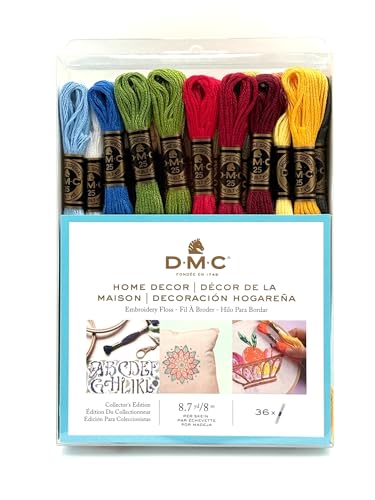

DMC 6-Strand Cotton Floss is the industry standard for a reason: it is affordable, widely available, and incredibly flexible. Because it consists of six individual plies twisted together, the stitcher can customize the thickness of the thread to match the weight of the knitted yarn.

For fine-gauge lace or fingering-weight socks, one or two strands provide a delicate touch without overwhelming the stitch definition. On heavier wool sweaters, using the full six strands creates a bold, graphic line that stands out against the background texture.
The main tradeoff with cotton on wool is the contrast in fiber memory. Cotton does not stretch, while most wool knits do; always ensure the embroidery is not pulled too tight, or it will distort the knitted fabric when the garment is worn.
Appleton Crewel Wool: Best for Woolen Garments
Appleton Crewel Wool is a two-ply yarn that behaves similarly to the fibers used in the base knit. Because it is a protein fiber like sheep’s wool, it shares the same elasticity and “grip” as the fabric itself, making it less likely to cause unsightly puckering.
This thread is the ideal choice for rustic, heritage-style detailing on heavy cardigans or winter accessories. It fills in negative space beautifully, providing a matte, soft finish that integrates seamlessly with the knitted stitches.
Because it is a high-quality wool, it is sensitive to abrasive surfaces and requires gentle handling. Avoid using it on high-friction areas like elbows or cuffs unless you intend to embrace the vintage, worn-in aesthetic that develops over time.
Au Ver à Soie’s Soie d’Alger: For a Lustrous Sheen
When the goal is elegance and a subtle, high-end glow, silk is the superior choice. Soie d’Alger is a spun silk blend that offers a beautiful, soft luster that synthetic threads simply cannot replicate.
It is particularly effective when working on luxury fibers like cashmere, alpaca, or fine merino blends. The drape of the silk matches the fluid nature of these premium yarns, ensuring the embroidery moves with the garment rather than feeling like a stiff patch.
Silk requires a steady hand, as it can snag on rough skin or split if the needle is too large. Always use a sharp, high-quality embroidery needle to prevent damaging the silk fibers as they pass through the knitted fabric.
Kreinik Blending Filament: Add a Touch of Sparkle
Kreinik Blending Filament is a metallic, synthetic thread designed to be used either alone or as a “blending” partner with another thread. It adds a festive glimmer to holiday knits or highlights in patterned designs without adding significant weight.
The challenge with metallics is their tendency to twist and knot during the stitching process. To manage this, keep your working lengths short—around 12 inches—to reduce the amount of friction the thread experiences as it passes through the eye of the needle.
Because it is a synthetic filament, it does not possess the natural elasticity of wool or cotton. Use it sparingly as an accent rather than a structural element to ensure the garment remains comfortable against the skin.
Weeks Dye Works Overdyed Floss: For Subtle Color
Overdyed threads feature subtle color shifts within the same strand, providing a depth and complexity that solid-colored threads lack. Using Weeks Dye Works floss adds a hand-dyed, artisanal quality to your embroidery that mimics the tonal variations found in luxury hand-painted knitting yarns.
These threads are excellent for projects where you want a natural, non-uniform look, such as botanical motifs or abstract geometric borders. The color repeats are often short, meaning you will see a gentle transition even in smaller embroidered shapes.
Test the colorfastness of any overdyed thread by dampening a small snippet and pressing it against a white scrap of wool. If the color bleeds, you must be extremely cautious during the final blocking and washing stages of your knitted garment.
Valdani Pearl Cotton: For Textured, Raised Stitches

Pearl Cotton is a non-divisible, tightly twisted thread that sits high on the surface of the knitting. It is the premier choice for decorative stitches like French knots, bullion knots, or chain stitches that require a strong, defined structure.
Because it does not split, it is much easier for beginners to work with than 6-strand floss. The tight twist creates a round, rope-like appearance that adds a three-dimensional element to a flat stockinette background.
When choosing a weight, remember that pearl cotton comes in sizes (3, 5, 8, 12). A size 3 is the thickest and best for chunky weight knits, while size 12 is extremely fine and suited for delicate embroidery on sock yarn.
Choosing a Thread to Match Your Knitted Fabric
Matching the thread weight to the knitting gauge is the most important step in preventing fabric distortion. A good rule of thumb is to look at the WPI (wraps per inch) of your knitting yarn and select an embroidery thread that offers a complementary, rather than competing, visual weight.
- For fingering/sock weight: Use 1-2 strands of floss, size 12 pearl cotton, or fine silk.
- For DK/worsted weight: Use 3-4 strands of floss or size 8 pearl cotton.
- For bulky/chunky weight: Use 6 strands of floss, wool crewel thread, or size 3 pearl cotton.
Always consider the fiber content of your base fabric. Mixing natural fibers with other natural fibers generally yields the most cohesive result, while synthetics should be evaluated for their texture and potential to snag the knitted loops.
How to Stabilize Your Knit for Flawless Stitching
Knitted fabric is inherently dynamic and stretchy, which makes it a difficult surface for embroidery. Without stabilization, the embroidery will cause the fabric to pull and create holes in the knitting as the tension changes.
Use a water-soluble stabilizer on the back of the work, or use an embroidery hoop to keep the fabric taut—but be careful not to over-stretch the fabric while hooping. An over-stretched knit will shrink back to its original size after you unhoop it, resulting in a puckered, distorted design.
If you are working on a delicate lace or a loosely knit garment, a lightweight fusible stabilizer can provide a permanent backbone. This is particularly useful for heavy embroidery designs that need extra support to maintain their shape over time.
Essential Embroidery Stitches for Knitted Projects
The best stitches for knits are those that move with the fabric. The Chain Stitch is exceptionally versatile, offering a loop-based structure that flexes with the knit, while the Stem Stitch is perfect for creating smooth, curved outlines for letters or botanical designs.
French Knots serve as excellent textural accents, though they should be placed strategically to avoid being pulled through the gaps in the knit. If your gauge is loose, secure the base of your knots carefully on the back of the work to ensure they stay on the surface.
Avoid long, straight “satin” stitches that span wide areas of the fabric. Long threads are prone to snagging on jewelry or household objects, which will eventually damage your knitted base.
Caring for Your Embroidered Knit Garments
Once the embroidery is complete, treat the garment as a delicate piece. Avoid machine washing and harsh agitation, as this can cause the embroidery thread to fuzz or pill, especially if using wool or silk.
Always turn the garment inside out before washing to protect the embroidery from direct friction against the drum of the washer or other clothing items. Hand wash in cool water with a gentle wool wash, then lay the garment flat to dry, reshaping the embroidered area carefully with your fingers.
If you notice a loose thread, do not trim it immediately. Instead, use a blunt tapestry needle to weave the loose end back into the fabric behind the embroidery. This maintains the structural integrity of the design and keeps your hard work looking fresh for years to come.
Embroidery on knitwear is a labor of love that rewards patience and precise material selection. By choosing the right thread weight and respecting the elasticity of your knitted base, you can elevate your projects into truly one-of-a-kind wearable art.