6 Best Copper Cleaning Solutions For Antique Finishes
Restore the original shine of your vintage items with these 6 best copper cleaning solutions for antique finishes. Learn how to clean your treasures safely today.
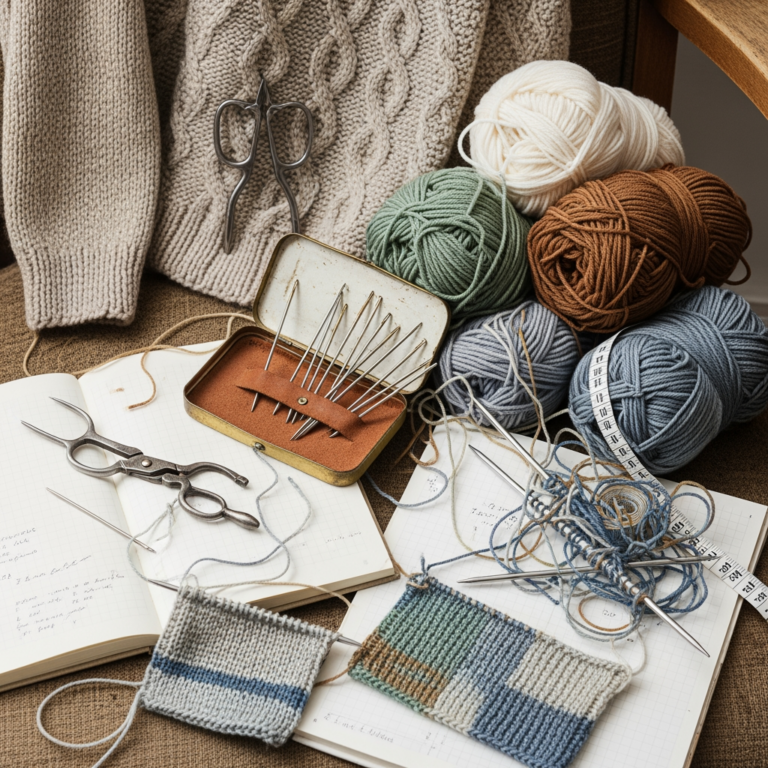
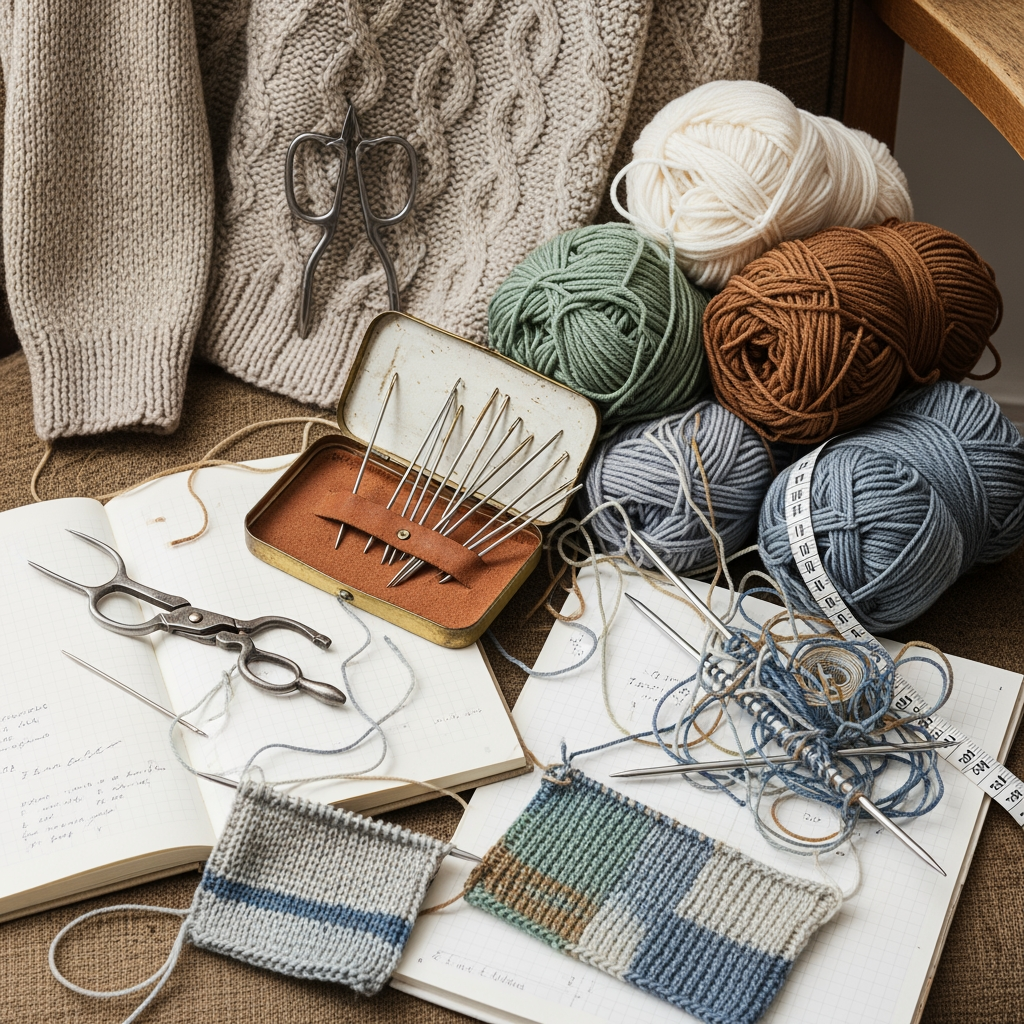
Maintaining antique copper tools, such as vintage knitting needle cases or ornate yarn bowls, requires as much care as selecting the perfect merino wool for a complex lace shawl. Just as a project’s stitch definition depends on the quality of the yarn ply, the longevity of a copper finish depends on the chemistry of the cleaning agent. Using the wrong product can strip away intentional age, leaving a piece looking jarringly bright and out of place. Choosing the right solution preserves the integrity of the metal while ensuring these beautiful, functional accessories remain in top condition for years.
Wright’s Copper Cream: Best for Everyday Polishing


Wright’s Copper Cream is a staple for those who prefer a consistent, gentle maintenance routine. Its thick, paste-like consistency makes it easy to control, preventing the cleaner from seeping into intricate carvings or recessed designs often found on heirloom knitting tools.
This formula excels at removing light oxidation without requiring intense elbow grease. For a knitter working through long lace projects, regular maintenance with this cream ensures that brass or copper needle storage won’t leave a dull residue on delicate fibers.
The trade-off here is speed versus control. While it won’t strip away deep, stubborn black tarnish instantly, it provides a level of precision that prevents the “over-polished” look. Opt for this when the objective is a soft, warm glow rather than a high-shine mirror finish.
Brasso Metal Polish: For Tougher Tarnish Removal

Brasso is a heavy-duty solution intended for when neglect has allowed tarnish to settle deep into the metal. It functions more like a professional-grade restorative agent than a simple surface cleaner.
Use this selectively on solid copper pieces that have become structurally compromised by heavy oxidation. Much like choosing a high-twist yarn for durability, Brasso is a deliberate choice for tough jobs where aesthetic nuance is secondary to cleaning efficiency.
Avoid using this on anything with delicate, thin metal or antique plating that could be permanently damaged. Because it is quite abrasive, use it sparingly and only on robust items that can handle a more rigorous chemical intervention.
Twinkle Cleaning Kit: The All-In-One Solution
The Twinkle Cleaning Kit typically comes with its own specialized sponge, which is a significant advantage for those who want to avoid accidental scratching. The pairing of the cream and the applicator ensures that the abrasive pressure is balanced correctly across the metal surface.
Think of this like a curated knitting kit; everything needed to achieve a professional result is included in one package. It is particularly effective for those who find the trial-and-error process of choosing rags and cloths intimidating.
The kit excels at providing a uniform shine, making it a reliable choice for sets of tools that need to look cohesive. It is an excellent middle-ground option for those who want effective cleaning without needing a background in chemistry or metalwork.
Flitz Polish: Safest Choice for Delicate Finishes

Flitz is a non-abrasive, non-toxic paste that offers a surprising amount of cleaning power without the harsh chemical odor common in other metal cleaners. It is highly concentrated, meaning a tiny drop goes a long way—much like a single skein of luxury hand-dyed yarn that covers a vast amount of surface area in a scarf.
This is the safest bet for pieces with delicate engravings or fine, wire-work details. Because it is so gentle, it is less likely to leave micro-scratches that can catch on fine silk or mohair yarns during a project.
If the item has an antique patina that needs to be preserved while the surrounding metal is cleaned, Flitz allows for the precise, controlled polishing required. It is an essential tool for the collector who prizes longevity and material safety above all else.
Maas Metal Polish: Top Pick for Prized Antiques
Maas is widely considered the gold standard for high-end metal care because of its ability to leave behind a protective polymer coating. After cleaning, this microscopic barrier acts as a shield against moisture and humidity.
For knitters living in damp climates, this feature is invaluable for preventing the rapid return of tarnish on items left out in the studio. It provides a long-lasting, deep luster that makes copper pieces look as though they have been professionally restored.
While the cost is higher than basic retail cleaners, the longevity of the results justifies the investment for valuable antiques. It is the best choice for items that are displayed as much as they are used, keeping them museum-ready year-round.
DIY Lemon & Salt Paste: Best Natural Alternative
A mixture of lemon juice and table salt is a classic, accessible solution for those who prefer to avoid commercial chemicals. The acid in the lemon cuts through oxidation, while the salt provides the necessary grit for manual removal.
- Mix equal parts lemon juice and fine-grain salt.
- Apply with a soft microfiber cloth in a circular motion.
- Rinse thoroughly with warm water and dry immediately.
The primary risk with this method is consistency; because it is not a standardized formula, the acidity can vary by fruit. Use this only on solid copper, never on plated items, as the acid can quickly eat through thin layers of metal.
Patina vs. Tarnish: What Should You Remove?
Distinguishing between a desired patina and harmful tarnish is a skill that develops with experience. Patina is the smooth, dark layer that develops over decades, adding character and value to an antique.
Tarnish, conversely, is often patchy, dull, or even green and powdery. If the surface is uniform and highlights the detail of the object, leave the patina alone. Only remove tarnish that obscures detail or threatens to corrode the metal further.
How to Test Cleaners on a Hidden Spot First
Never assume a cleaner will react the same way on every copper surface. Even if the product is reputable, variations in the metal’s alloy can lead to unpredictable results.
Find a spot on the bottom or the interior of the item that is rarely seen. Apply a small amount of the cleaner, let it sit for the recommended time, and buff it away to check for discoloration or stripping. This simple step saves irreparable damage to the primary viewing area of your favorite tools.
Protecting Your Copper’s Finish After Cleaning
Cleaning is only half the battle; preservation is what keeps the piece looking its best. After cleaning and thoroughly drying the item, consider a light application of carnauba wax or a specialized metal sealant.
This creates an airtight barrier that prevents oxygen from reaching the copper. This is especially important for tools that handle yarn, as it prevents the metal from reacting with oils on your hands. A well-protected piece will require significantly less cleaning in the future.
Common Mistakes to Avoid When Cleaning Copper
One of the most frequent errors is using coarse steel wool or abrasive scrubbing pads. Even if they remove tarnish quickly, they leave permanent, microscopic scratches that make the metal harder to keep clean in the long run.
Always use lint-free, soft cloths to avoid introducing dust or debris into the cleaning process. Additionally, never allow cleaning agents to dry completely on the surface, as this can lead to streaking or difficult-to-remove residue. Patience is as necessary in cleaning your tools as it is in achieving perfect, even tension in your knitting.
Properly maintained copper accessories not only provide a lifetime of functional use but also bring a sense of history and warmth to your knitting workspace. By treating these items with the same care you give your finest fibers, you ensure they remain as beautiful and reliable as the day they were first crafted. Choose your cleaning method based on the condition of the metal, test before applying, and always prioritize protective measures to prevent future oxidation. A thoughtful approach to maintenance is the hallmark of any seasoned fiber artist.