6 Best Cutting Tool Sets For Beginners To Start With
Start your DIY journey with confidence using our top 6 cutting tool sets for beginners. Click here to compare the best gear and equip your workshop today.
Every project, whether it is a delicate lace shawl or a sturdy wool sweater, eventually requires a clean, precise snip. Having the right cutting tool prevents frayed yarn ends and uneven fabric edges that can compromise the professional look of a finished piece. Investing in a reliable cutting set early on saves countless hours of frustration when finishing or correcting mistakes. This guide breaks down the best options to ensure every cut is as clean as the stitches themselves.
Fiskars Softgrip Sewing Set: Best Overall Value


Reliability is the hallmark of a great starter set, and Fiskars provides exactly that without unnecessary complexity. This set typically includes standard scissors and a smaller pair for precision work, catering to the dual needs of bulk cutting and detail trimming.
The ergonomic handles are a significant advantage for those spending long hours weaving in ends or trimming mohair. When hands become fatigued from hours of knitting, the soft-grip material reduces pressure points and prevents cramping.
While these may not be the heirloom-quality shears passed down through generations, they offer consistent performance for the price. They handle everything from cotton yarn to heavier wool blends with ease. For a beginner building an essential toolkit, this set provides the most utility per dollar spent.
Olfa Rotary Cutter Splash Set: Best for Quilters
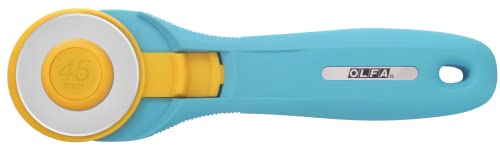
Rotary cutters represent a departure from traditional scissor mechanics, offering a razor-sharp, circular blade that glides through fabric. For fiber artists who also dabble in quilting or lining handmade bags, this tool is indispensable for creating perfectly straight edges.
The rotating blade allows for fluid motion that scissors cannot replicate, especially when cutting long strips of fabric. Because the blade is replaceable, the tool maintains peak sharpness indefinitely, ensuring clean cuts even on dense, non-woven interfacing.
One essential trade-off involves the need for a dedicated self-healing cutting mat to protect surfaces and blades. While the initial investment includes the cutter and mat, the long-term benefit is a level of precision that makes assembly significantly easier. Use this when the goal is geometric accuracy rather than simple yarn snipping.
Gingher Knife Edge & Embroidery Set: Best Investment
Precision in fiber arts often comes down to the quality of the blade edge, and Gingher is widely regarded for its exceptional steel. This set is an investment in durability, designed to maintain a razor-sharp edge through years of heavy use.
The knife-edge grinding allows these scissors to slide through multiple layers of fabric without pushing or fraying the material. For those working with high-end fibers like silk or fine merino, these shears prevent the “chewing” effect that inferior blades often cause.
While the cost is higher, the longevity justifies the expense for the dedicated crafter. If maintenance is a priority, these scissors can be professionally sharpened, effectively resetting their utility for decades. Treat these as a lifetime tool rather than a disposable accessory.
LIVINGO Premium Tailor Scissors Set: Best Budget Kit
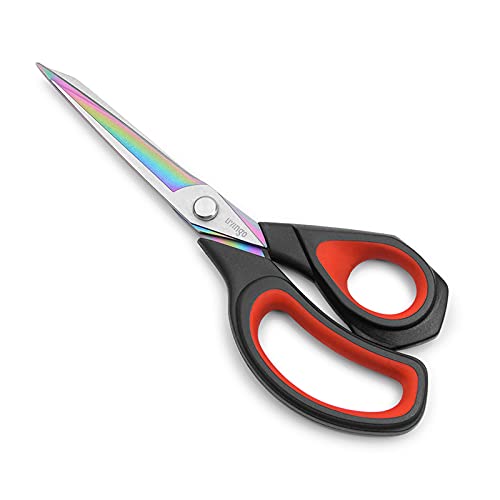
A budget kit does not have to mean poor performance, as evidenced by the functionality of the LIVINGO collection. This set often includes a variety of sizes, which is ideal for those who haven’t yet determined their specific cutting preferences.
The primary benefit here is the sheer variety provided in a single purchase. Having a larger pair for fabric and a smaller, pointed pair for embroidery or picking out dropped stitches provides a comprehensive solution for a minimal investment.
The trade-off involves the weight and handle material, which may lack the ergonomic sophistication of high-end brands. However, for a beginner who is still discovering the difference between cutting lightweight silk and bulky wool, this set provides a perfect entry point. It is the most sensible choice for the crafter who wants a full range of tools without breaking the bank.
Singer ProSeries Detail Scissors Set: Most Versatile

Detail work, such as trimming fringe or snipping microscopic snags, requires a tool that offers surgical control. The Singer ProSeries excel in these niche applications, providing sharp, pointed tips that reach into tight spaces with ease.
These scissors are particularly useful when working on colorwork projects where yarn ends are numerous and need to be cut flush to the fabric. Their lightweight construction makes them effortless to manipulate during long finishing sessions.
Versatility is their greatest strength, as they move easily from trimming yarn tails to precise fabric cutting. They serve as a reliable “go-to” tool for the desk or a portable knitting bag. Choose these for precision and control over bulk cutting power.
Clover Patchwork Scissors Mini: Best for Portability

Portability is an often overlooked factor, yet essential for the knitter who takes their projects on the go. The Clover Mini scissors are designed to slide into the smallest accessory pouch or knitting bag without snagging on delicate yarns.
Despite their size, they possess a surprising sharpness that rivals larger counterparts. They are ideal for quick snips on the train or in a waiting room, ensuring the workflow is never interrupted by the lack of a tool.
The limited size is a trade-off for comfort; they are not intended for cutting large lengths of heavy fabric. However, for the specific task of cutting yarn while on the move, they are unmatched in convenience. Keep a pair attached to a project bag to ensure you are never without a sharp blade.
How to Choose Your First Crafting Scissor Set
Choosing the right tool begins with identifying the primary material you cut most frequently. If the majority of the work involves wool yarn, embroidery-style scissors with fine points will be more useful than heavy-duty tailor shears.
Consider the ergonomics of the handle design, especially if you have arthritis or hand strain. A heavy, metal-handled pair may feel premium, but lightweight, rubberized handles often provide better grip and comfort for extended sessions.
Always check for the ability to adjust the tension screw, which allows for tightening the blades if they start to loosen over time. Balance between weight, blade length, and handle comfort determines which set will become a favorite. Avoid buying based on aesthetics alone; the tactile feel in the hand is the best indicator of suitability.
Scissors vs. Rotary Cutters: Which Do You Need?
Scissors remain the fundamental tool for most knitters, offering control and versatility for both yarn and fabric. They are quiet, do not require a cutting mat, and are safer for beginners who are still learning to manage blade movement.
Rotary cutters are specialized instruments intended for long, straight cuts in fabric. They are vastly superior for cutting panels for linings or backing, but they carry a higher risk of injury if the safety guard is neglected.
For the vast majority of knitting-related tasks, a high-quality pair of scissors is sufficient. Only introduce a rotary cutter when moving into advanced sewing projects that require the precision of a professional tailor. Stick to scissors for yarn; look to rotary cutters for heavy fabric construction.
Keeping Your Blades Sharp: A Maintenance Guide
Even the highest quality steel will dull over time if mistreated. The golden rule is to reserve specific scissors for fabric and others for yarn; cutting paper, wire, or other abrasive materials will ruin a blade’s edge almost instantly.
- Never cut paper: Paper fibers are abrasive and dull precision edges.
- Wipe regularly: Clean blades with a soft, dry cloth to remove lint and debris.
- Oil occasionally: A tiny drop of sewing machine oil on the pivot screw keeps action smooth.
- Store properly: Keep scissors in a sheath or case to protect the tips from damage.
If a pair begins to “chew” the yarn rather than slicing through, it is time for a professional sharpening. While home-sharpening tools exist, they can easily ruin the specialized grind of high-quality shears. Professional service is a worthwhile expense to maintain a tool for years of reliable use.
Essential Safety Tips for Using Cutting Tools
Safety is not about fear, but about respecting the mechanics of a sharp tool. Always cut away from the body and ensure that the non-cutting hand is well clear of the blade’s path, especially when using rotary cutters.
When moving between work stations, always close scissors or engage the safety guard on a rotary cutter. A loose, open blade in a knitting bag is a hazard to fingers reaching in for a tapestry needle or stitch marker.
Finally, teach others in the crafting space where your tools are and how to handle them properly. A clear workspace minimizes the risk of accidental drops or slips. Respect the blade, and it will return the favor by making your crafting experience smoother and more professional.
By selecting a tool that aligns with the specific demands of your knitting style, you ensure that every snip is a clean one. Whether opting for a versatile starter kit or a specialized set for intricate detail work, quality cutting tools transform the finishing process from a chore into a rewarding final step. Choose wisely, maintain diligently, and enjoy the precision these essential items bring to the craft.