6 Best Textile Cleaners For Deep Stain Removal
Struggling with stubborn fabric stains? Discover the 6 best textile cleaners for deep stain removal and restore your home fabrics today. Read our expert guide.
Stains on finished fiber projects are every maker’s nightmare, especially after hours of meticulous lace work or colorwork charting. Whether it is a stray drop of coffee on a pristine wool sweater or an errant pen mark on a baby blanket, the right chemical intervention can save a piece from the donation bin. Knowing which textile cleaner to reach for depends entirely on the fiber content and the nature of the spill. Precision is the difference between a clean garment and a permanently damaged fiber structure.
Amodex Ink & Stain Remover: For Tough Ink Stains
Ink stains often happen when a project bag shares space with a project journal or a stray ballpoint pen. Amodex is unique because it is non-toxic and specifically formulated to break down the pigment in ink without relying on harsh bleaches.
It is particularly effective on superwash wools and synthetic blends that might otherwise react poorly to common household solvents. Because it contains no bleach or solvents, it does not strip the natural lanolin from wool fibers, keeping the yarn soft after the stain vanishes.
Keep in mind that ink removal requires patience; apply the product and work it gently into the fibers with your fingertips before rinsing. Never rub aggressively, as this can felt the wool or distort the stitch definition.
Grandma’s Secret Spot Remover: Best All-Rounder


This concentrated formula is a staple for a reason: it works on almost everything from grease to food spills. Because it is highly concentrated, only a tiny drop is needed per application, preventing the saturation of heavy, absorbent wool yarns.
For knitters working with alpaca or mohair, this is a safe bet for spot-treating without compromising the delicate halo of the fiber. It rinses away cleanly, leaving no chemical residue that could potentially irritate sensitive skin or attract dirt later.
Always perform a small patch test on an inconspicuous area, such as the inside of a cuff or the tail end of a cast-off edge. This ensures the dye lot is colorfast before applying it to the face of the garment.
Orvus W.A. Paste: The Pro’s Choice for Grease
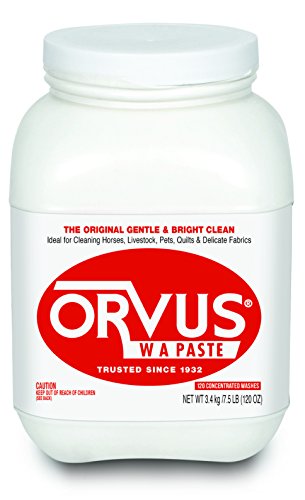
Orvus W.A. Paste is a neutral synthetic detergent that fiber artists have trusted for decades, especially for scouring raw fleece or removing heavy oil stains. If a project is made from raw, unprocessed wool containing residual sheep grease, this is the gold standard for deep cleaning.
Its pH-neutral formulation makes it incredibly gentle, ensuring that even delicate cashmere or silk fibers remain undamaged during the wash process. Unlike regular dish soaps, it doesn’t leave a film behind, which is vital when blocking finished sweaters.
Use it sparingly, as the paste is highly concentrated and can create excessive suds if overused. It is the perfect choice for high-stakes items, such as a hand-knitted heirloom wedding shawl that needs a thorough, safe cleansing.
Eucalan Delicate Wash: Gentle Food Stain Soak

Eucalan is more than just a cleaner; it is a conditioning soak designed for protein-based fibers like wool, silk, and angora. While it is excellent for routine blocking, it also excels at gently lifting food stains when used as a concentrated spot treatment.
The lanolin-enriched formula helps restore moisture to fibers that may have been dried out by environmental factors or previous washings. This is essential for maintaining the elasticity of ribbing on socks or the drape of a lightweight cardigan.
Simply apply the product directly to the food spill, let it sit for a few minutes, and submerge the item in cool water. The stain will lift as the fibers relax, leaving the garment clean and smelling subtly of natural essential oils.
Shout Advanced Gel: For Stubborn Everyday Spills
Shout Advanced Gel is the go-to for synthetic-heavy projects, such as hard-wearing acrylic socks or high-traffic household items like felted coasters. The gel formula stays exactly where it is placed, making it perfect for targeting a single spilled drop without getting the entire garment wet.
This cleaner is aggressive against organic matter, making it ideal for the occasional coffee or tea mishap during a long knitting session. Because it is formulated for standard textile laundering, it works exceptionally well on cotton yarns, which are notoriously prone to absorbing liquid stains.
Be careful when using this on animal fibers, as it may be too harsh for fragile wools. Always err on the side of caution and ensure the product is thoroughly rinsed out to avoid any lingering chemical scent.
Folex Spot Remover: Upholstery & Heavy Duty Use
Folex is a non-ionic, water-based cleaner that is best suited for finished textiles like hand-knitted cushion covers or home decor. It works by loosening the stain particles from the fiber, allowing them to be wiped away without the need for rinsing.
Because you don’t need to soak the item, it is perfect for large-scale projects that would be difficult to block or hang dry. It is safe for almost any fiber that can be dampened, though it is best kept away from unspun roving or very delicate lace.
If a project has been sitting in a knitting basket on the floor, Folex can lift dust or localized grime quickly. Just spray, blot with a clean white cloth, and watch the stain disappear from the fiber surface.
Choosing a Cleaner for Your Specific Fiber Type
Selecting the right cleaner requires a deep understanding of your yarn’s composition and its reaction to moisture. Not all fibers behave the same way under chemical stress:
- Animal Fibers (Wool, Alpaca, Mohair): Require neutral, low-suds cleaners that protect natural proteins.
- Plant Fibers (Cotton, Linen, Bamboo): Can handle stronger detergents and often require more vigorous agitation to lift stains.
- Synthetics (Acrylic, Polyester, Nylon): Are generally more robust but can retain chemical odors if not rinsed properly.
Always consider the structure of your yarn, particularly if it is a single-ply or a loose twist. These fibers are more prone to pilling and breakage, so choose a liquid formula that requires the least amount of mechanical rubbing to be effective.
The Golden Rules of Textile Stain Removal
Never wait to address a stain, as time is the greatest enemy of any fiber. The longer a stain sits, the more it bonds with the dye molecules in the yarn, making removal exponentially harder.
Always use cool to lukewarm water, as hot water can shrink protein fibers and set protein-based stains like blood or egg. When applying any cleaner, work from the outside of the stain toward the center to prevent the spill from spreading further into the surrounding fabric.
Finally, resist the urge to scrub. Instead, use a blotting motion with a clean, lint-free white cloth. This draws the stain up and out of the fiber rather than pushing it deeper into the twist of the yarn.
How to Tackle Old, Set-In Fabric Stains
Removing an old stain from a hand-knitted project requires a patient, multi-step process. Start by soaking the affected area in a mild, cold-water solution of your chosen cleaner for at least 30 minutes.
If the stain persists, gently use a soft-bristled toothbrush to nudge the fibers, but only if the yarn is robust like a tight-twist superwash. Avoid this technique on brushed fibers or lace weight mohair, as it will inevitably cause snagging and breakage.
If the item has high sentimental value and the stain remains after two gentle attempts, consider professional restoration. Over-treating an old stain can often cause more damage to the yarn integrity than the stain itself.
Textile Cleaner FAQ: Your Questions Answered
- Can I use these cleaners on hand-dyed yarn? Always test for colorfastness first; some hand-dyed yarns may bleed regardless of the cleaner’s quality.
- Will these products ruin my blocking? Most cleaners will require a fresh blocking session after use; ensure the piece is reshaped carefully while damp.
- Is it safe to spot-clean a project while it is on the needles? It is risky; the cleaner may corrode metal needles or cause wood needles to swell, so it is best to bind off or put the stitches on waste yarn first.
- How do I get the smell of the cleaner out? Extra rinsing in cool, clear water is the most effective way to remove residual chemical odors.
Stain removal is an essential skill that extends the lifespan of every project you create. By understanding the chemical needs of your fibers and approaching accidents with patience, you ensure that your hard work remains beautiful for years to come.