7 Best Light-up Needle Cases for Night Knitting
Illuminate your late-night projects with our top 7 picks for light-up needle cases. Discover ergonomic, bright storage solutions for seamless evening knitting.
Knitting by the soft glow of a bedside lamp or during a long flight is a beloved ritual for many makers, but poor visibility can quickly turn a relaxing session into a strained, error-filled chore. Light-up needles bridge the gap between low-light convenience and technical precision, illuminating your stitches so you can maintain your rhythm regardless of the environment. While they aren’t a replacement for proper lighting, they act as a focused spotlight on your work, helping you catch dropped stitches or manage tricky cable crosses in the dark. Choosing the right pair requires balancing the tech component with the physical feel of the needle in your hands.
The Light-Up Knitting Needle Set: Best Overall
When you need a reliable, all-in-one solution for evening projects, a comprehensive light-up set is your best ally. These sets typically include a range of common needle sizes, ensuring you have the right tool whether you are working with a worsted-weight wool or a finer alpaca blend.
The primary advantage here is consistency. By sticking to one system, you ensure that the weight, balance, and tip sharpness remain familiar, which is vital for maintaining an even gauge across different projects.
Look for sets that offer clear, bright LED illumination that doesn’t create excessive glare on the needle surface. The best overall sets prioritize a balanced weight, ensuring the battery housing doesn’t pull on your wrists during long sessions.
Prym Ergonomics LED Needles: Best for Comfort
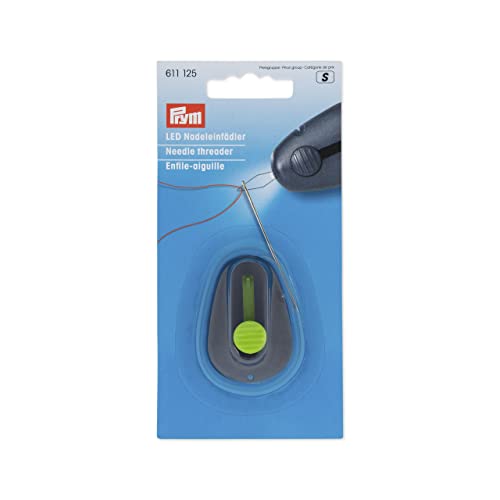

The Prym Ergonomics line is designed specifically for those who suffer from hand fatigue after hours of knitting. Their unique triangular shape isn’t just for show; it helps the needle sit more naturally in your grip, reducing the tension you need to apply to keep the needles steady.
When you add LED technology to this ergonomic profile, you get a tool that is exceptionally kind to your joints. If you are working on a complex lace project with a high stitch count, the reduced strain provided by the shape is a massive benefit.
However, note that the synthetic material used in these needles is quite distinct from traditional metal or wood. It offers a "middle-of-the-road" slip, which is perfect for beginners who find metal too slick but bamboo too grabby.
Pony LED Interchangeable Needles: Best Versatility

Interchangeable sets are the gold standard for versatility, and the Pony LED system brings that flexibility to low-light knitting. Being able to swap out cable lengths means you can transition from knitting a hat in the round to a flat scarf without changing your needle tips.
For those working on garments, the ability to change cable lengths is essential for checking fit as you go. The light-up mechanism in these tips is usually integrated near the base, casting a steady beam down the length of the needle toward your working stitch.
Be aware that the connection point between the needle and the cable can sometimes be a point of friction if not tightened correctly. Always use your tightening key to ensure a smooth transition for your yarn to prevent snagging.
Addi Click Rocket Needles: The Premium Choice

If you are a serious knitter who refuses to compromise on tip quality, the Addi Click system is the industry benchmark. While they are a significant investment, the precision-engineered tips and the seamless join between the needle and the cord are unmatched.
The "Rocket" (or Turbo) finish is incredibly slick, making them ideal for high-speed knitting or working with sticky fibers like mohair or untreated wool. They glide through stitches with minimal effort, which helps keep your hands relaxed.
The premium price reflects the durability of the materials and the reliability of the click-in mechanism. If you find yourself knitting daily, the investment in a high-quality system usually pays for itself in the longevity of the tools.
Clover Takumi Bamboo LED Set: Best for Grip

Bamboo is a classic choice for a reason: it provides a natural "tooth" that helps prevent stitches from sliding off the needle accidentally. If you are working with slippery yarns like silk, bamboo is often the most forgiving material to use.
The Clover Takumi needles are renowned for their smooth, polished finish that doesn’t splinter over time. When combined with an LED light, they offer a very controlled, tactile experience that is excellent for learning new techniques.
Because bamboo is lightweight, these needles are comfortable for long-term use, even with the added battery weight. They are an excellent bridge for knitters who want the benefits of illumination without losing the tactile feedback of natural wood.
KnitPro Zing Light-Up Needles: Best for Value

KnitPro Zing needles are loved for their vibrant color-coding, which makes identifying your needle size at a glance incredibly easy. When you add light-up functionality to this design, you get a highly practical tool that doesn’t break the bank.
These needles are made from lightweight aluminum, which provides a smooth, fast knitting experience. They are particularly effective for knitters who have a tight gauge, as the slick metal surface helps you maneuver into stitches more easily.
While they may not have the premium finish of more expensive brands, they are remarkably consistent and durable. They are the perfect "workhorse" needles to keep in your travel bag for unexpected knitting opportunities.
Susan Bates Lit-Up Needles: Best for Beginners

Susan Bates needles are famous for their unique "inline" head, which is designed to grab the yarn securely. This design is fantastic for beginners who are still developing their muscle memory and struggle with dropping stitches.
The lighting feature on these needles is straightforward and user-friendly, making them very accessible for someone just starting their knitting journey. They are an excellent choice for learning the mechanics of knit and purl stitches without the added frustration of poor visibility.
Because they are often sold as individual pairs, they are a low-risk way to test if light-up knitting is right for you. Start here if you want to see how illumination changes your workflow before committing to a full set.
How to Choose the Right LED Needles for You
When selecting your needles, consider the type of yarn you use most frequently. If you gravitate toward slippery synthetic yarns, a grippier material like bamboo will save you from constant dropped stitches.
If you are a fast knitter working with wool or cotton, a slicker metal needle will help you maintain your speed. Always account for the weight of the battery, as it can change the balance point of the needle compared to your standard set.
- Tip Material: Metal for speed, bamboo for control, plastic for a middle-ground feel.
- Project Type: Interchangeables for garments, fixed needles for socks and hats.
- Battery Access: Ensure the battery compartment is easy to open and uses standard, replaceable batteries.
Battery Life and Care for Light-Up Tools
Light-up needles are electronic devices, so they require a bit more maintenance than your standard wooden needles. Always remove the batteries if you are planning to store the needles for an extended period to prevent corrosion in the housing.
Keep a small screwdriver or the appropriate tool for the battery door in your knitting bag at all times. There is nothing more frustrating than having your light die in the middle of a complex row of colorwork with no way to swap the power source.
Wipe the needles down with a soft, dry cloth after each use to remove natural oils from your hands. Avoid using harsh chemicals or water, as moisture can damage the LED components hidden inside the needle shaft.
Tips for Knitting in Low-Light Environments
Even with the best light-up needles, your eyes will fatigue if you are working in total darkness. Use your needles in conjunction with a soft ambient light to reduce the contrast between your bright stitches and the dark room.
If you are working with dark-colored yarn, the light-up needle is particularly helpful because it illuminates the stitch from the inside out. This makes it much easier to see the structure of the stitch, which is usually lost in the shadows of a navy or black yarn.
Finally, remember to take frequent breaks to stretch your hands and look at a distant object. Knitting in low light can lead to subconscious squinting, which adds to eye strain; keep your posture relaxed and your workspace as comfortable as possible.
Investing in a pair of light-up needles can transform your evening knitting from a guessing game into a precise, enjoyable experience. By matching the material and style of the needle to your personal knitting tension and preferred yarn, you can maintain your craft in any lighting condition. Remember that the best tool is one that feels like an extension of your hands, regardless of the technology inside. Happy knitting, and may your stitches always be bright and your row counts accurate.