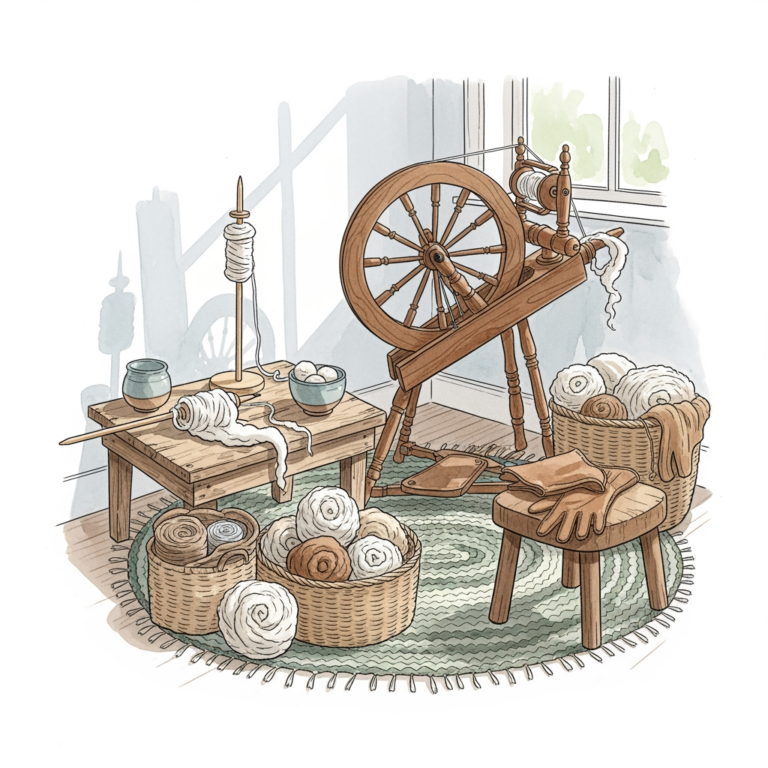
6 Best Swivel Hooks For Spinning Fiber To Use
Discover the top 6 swivel hooks for spinning fiber. This guide evaluates durability and rotation, helping you choose the best tool for seamless yarn creation.
Choosing the right swivel hook for your spinning wheel is the difference between a meditative flow state and a frustrating afternoon of fighting your yarn. A smooth, well-engineered hook ensures that your fiber travels onto the bobbin without snags, twists, or uneven tension. Whether you are spinning delicate lace-weight singles or bulky art yarns, the hardware on your flyer dictates your control. This guide breaks down the best swivel hooks on the market to help you find the perfect partner for your spinning practice.
Ashford Joy 2 Spinning Wheel Swivel Hook


The Ashford Joy 2 swivel hook is a masterclass in minimalist design. It is specifically engineered to handle the portability of this folding wheel while maintaining the consistent tension required for fine spinning.
Because the Joy 2 is a compact, travel-friendly wheel, the hook needs to be lightweight yet durable. The swivel action here is designed to prevent your yarn from catching as the bobbin fills, which is vital when you are working on a long-draw project where consistent uptake is everything.
If you are a spinner who frequently travels to workshops or guild meetings, this hook is a reliable workhorse. It doesn’t offer the heavy-duty weight of a stationary studio wheel, but for its size, it performs exceptionally well. The bottom line: It’s the ideal choice for the mobile spinner who doesn’t want to sacrifice performance for portability.
Schacht Matchless Flyer Swivel Hook

Schacht is legendary for their precision engineering, and the Matchless swivel hook is no exception. It offers a fluid, buttery motion that makes it a favorite for spinners who spend hours at their wheel.
This hook is designed for high-tension spinning. If you are drafting long-staple wools or working with high-twist yarns, you will immediately notice the difference in how the yarn feeds onto the bobbin. The swivel mechanism is robust enough to handle the torque of heavy plying without sticking.
One common misconception is that all swivel hooks are created equal; in reality, the weight of the metal and the tolerance of the swivel joint matter immensely. The Matchless hook feels substantial, giving you a sense of security when you are spinning at higher speeds. If you prioritize mechanical longevity and effortless flow, this hook is a top-tier investment.
Kromski Sonata Brass Swivel Hook

The Kromski Sonata brass hook brings a touch of elegance to the spinning experience, but it is far more than just a pretty face. Brass is a fantastic material for spinning hardware because it is smooth and resists corrosion over time.
Because brass is slightly softer than stainless steel, it develops a unique patina that spinners often love. It provides a very smooth surface for your fiber to glide over, which is particularly helpful if you are working with sticky fibers like mohair or angora that tend to cling to rougher surfaces.
You should consider this hook if you appreciate the aesthetic of a wooden wheel paired with high-quality metal components. It is balanced well for the Sonata’s flyer, ensuring that your bobbin doesn’t wobble during high-speed spinning. Choose this if you want a balance of classic beauty and reliable, low-friction performance.
Majacraft Delta Flyer Swivel Hook
The Majacraft Delta flyer system is a favorite among art yarn spinners, and their swivel hook is designed to accommodate bulky, textured yarns. If you are spinning thick-and-thin yarns or incorporating inclusions like beads or silk scraps, this hook is your best friend.
Unlike traditional hooks, the delta design is wide and open. This prevents your yarn from getting hung up on the hook, which is a common nightmare when you are trying to maintain a consistent rhythm with textured fiber.
The swivel mechanism is tucked away, protected from the debris that often accompanies textured spinning. It is built to handle the "tug" of heavy bobbins without losing its smooth rotation. If your spinning style leans toward creative, unconventional yarns, this is the most practical hardware you can buy.
SpinOlution Stainless Steel Hook

SpinOlution is known for their modern, heavy-duty wheels, and their stainless steel hooks reflect that industrial-strength philosophy. They are virtually indestructible and designed for spinners who want to set their wheel to high speed and never look back.
The stainless steel construction means these hooks are incredibly slick. This is a massive advantage when you are spinning long-staple fibers that benefit from a low-friction path to the bobbin. You won’t have to worry about the hook wearing down or developing grooves after years of heavy use.
Some beginners find these hooks a bit "fast" because they offer so little resistance, but that is exactly what makes them a favorite for pros. Once you get used to the lack of drag, you’ll find it hard to go back to anything else. This is the ultimate choice for the high-volume producer who demands consistency and durability.
Hansen Crafts E-Spinner Swivel Hook
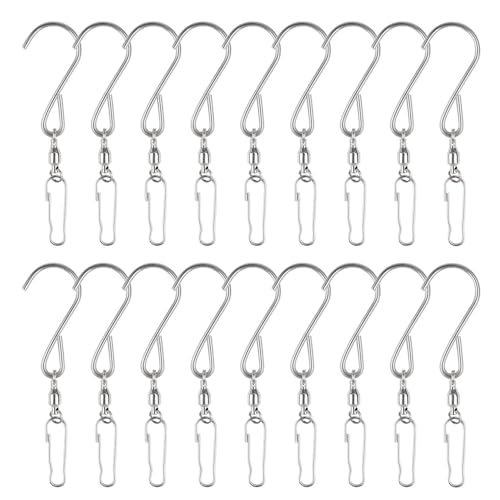
The Hansen Crafts E-Spinner is the gold standard for electric spinning, and their hook reflects the precision required for motorized wheels. Because the motor provides constant torque, the hook must be perfectly balanced to prevent vibration.
This swivel hook is designed to be whisper-quiet. When you are spinning on an e-spinner, you rely on the sound of the machine to gauge your speed and tension; a noisy or rattling hook would be a major distraction.
The engineering here is focused on ergonomics. It is positioned to minimize the amount of wrist movement required to move the yarn across the bobbin, which is a huge benefit if you suffer from repetitive strain or arthritis. For the e-spinner enthusiast, this hardware is non-negotiable for maintaining a smooth, quiet, and efficient workflow.
How to Select the Right Hook for Your Fiber
Selecting a hook isn’t just about the wheel; it’s about the fiber you choose to spin. If you are working with delicate, fine-micron wool or silk, you need a hook with a smooth, polished finish to prevent snagging.
For bulky art yarns, the diameter of the hook and the opening of the flyer are the most critical factors. A tight, narrow hook will cause your yarn to pile up or snag, ruining the texture you worked so hard to create.
- Fine/Lace weight: Choose a polished, smooth-surface metal hook.
- Medium/Worsted: Standard swivel hooks work perfectly for most wools.
- Art Yarn/Bulky: Look for an open or "delta" style hook to prevent snagging.
Consider your personal spinning speed as well. If you are a fast spinner, a heavier, balanced hook will stay steady; if you are a slow, meditative spinner, a lighter hook will feel more responsive to your touch.
Understanding Swivel Hook Mechanics for Spinners
A swivel hook works by allowing the yarn-carrying loop to rotate independently of the flyer arm. This rotation is what prevents the yarn from twisting back on itself as it moves from the orifice to the bobbin.
When the hook sticks, you will feel a "tug" in your drafting hand. This is the moment your yarn is at risk of snapping or becoming unevenly twisted, as the tension spikes suddenly. A well-functioning swivel removes this variable, allowing you to focus entirely on your drafting.
The secret to a good swivel is the tolerance of the bearing or joint. If it is too loose, the hook will rattle and create vibration; if it is too tight, it won’t rotate when you need it to. Always prioritize a swivel that moves with the lightest touch of your yarn.
Maintaining Your Spinning Wheel Hardware Daily
Your swivel hook is a moving part, and like any machine, it requires a little bit of love. Dust, fiber bits, and lanolin from your wool can accumulate in the swivel joint, causing it to seize up over time.
Every time you finish a bobbin, take a moment to wipe the hook down with a soft, lint-free cloth. If you notice it starting to feel "gritty," a tiny drop of high-quality spinning wheel oil or sewing machine oil will do wonders.

Never use harsh cleaners or abrasive pads on your hooks. Even a tiny scratch on the surface can catch on your fiber, leading to broken singles and frustration. Keep it clean, keep it oiled, and your hardware will last for decades.
Troubleshooting Common Spinning Hook Snags
If your yarn is constantly snagging, the first step is to inspect the hook for burrs. Run a piece of pantyhose or a soft cotton swab over the hook; if it catches or pulls, you have a rough spot that needs to be polished with fine-grit sandpaper or a jeweler’s cloth.
Another common issue is the angle of the hook. If the hook is bent too far toward the flyer, the yarn will have a sharp angle of entry, which increases friction. Gently adjusting the angle to create a smoother path can solve the problem instantly.
If the swivel itself is the culprit, check for debris wrapped around the base of the hook. Sometimes a stray fiber can get caught in the mechanism, effectively locking it in place. Clear the debris, check for burrs, and your spinning will return to its smooth, rhythmic state.
Investing in high-quality swivel hooks is a commitment to the longevity of your spinning practice and the quality of your finished yarn. By understanding the mechanical needs of your specific wheel and the unique demands of your fiber, you can eliminate the most common points of friction in your creative process. Remember that the best hardware is the kind that disappears into the background, allowing you to focus entirely on the feel of the fiber between your fingers. Happy spinning, and may your bobbins always fill with ease.