7 Best Foam Blocking Boards For Delicate Wool
Blocking is vital for wool. Discover the 7 best foam boards to safely shape your delicate knits, ensuring professional, long-lasting results every time.
Blocking is the final, transformative step that turns a crumpled, uneven piece of knitting into a professional-looking garment. When working with delicate wools, the surface you choose to pin into is just as important as the yarn itself. A high-quality foam board provides the necessary grip and stability to open up stitches without distorting the fiber. Choosing the right tool ensures your hard work is showcased exactly as you intended.
Knitter’s Pride Knit Blockers: Best Overall Pick
These aren’t technically mats, but they are the industry standard for pinning onto foam. The combination of multiple pins in a single plastic frame allows you to secure long, straight edges in seconds rather than minutes.
For delicate wool, the real benefit is the uniform tension they provide. By spreading the stress across a wider surface area, you avoid the "scalloped" edge effect that often happens when you over-tighten individual T-pins.
They are an investment, but they save your hands from the fatigue of repetitive pinning. If you frequently block large shawls or sweaters, this is the most efficient way to achieve a professional finish.
Boye Interlocking Foam Mats: Best Budget Choice


If you are just starting your journey into the world of blocking, you don’t need to break the bank. These classic interlocking tiles offer a generous surface area that is perfectly adequate for basic sweaters and scarves.
The foam is slightly softer than premium brands, which makes it very easy to push pins into. However, keep in mind that over time, the edges may begin to fray if you are constantly pulling them apart and reassembling them.
They are the "workhorse" of the blocking world. If you treat them with a little care and don’t leave them sitting in direct sunlight, they will serve you well for many years of blocking projects.
Cocoknits Blocking Mats: Best Eco-Friendly Option

Cocoknits has revolutionized the blocking experience by using a specialized, durable EVA foam that is designed to last. What sets these apart is the grid printed directly onto the surface, which is a lifesaver for achieving symmetry.
When you are blocking a delicate lace project, having a visual guide helps you ensure that every point of the lace is stretched to the exact same width. It eliminates the guesswork of measuring with a tape every few inches.
While they come at a higher price point, the heat-resistant nature of the material is a significant advantage. You can safely use a steam iron or a garment steamer nearby without worrying about the mats warping or melting.
Clover Blocking Mats: Best for Delicate Lace Work
Clover is known for precision, and their mats are no exception. The surface texture is specifically engineered to hold pins firmly in place, which is critical when you are working with slippery, fine-gauge wool or mohair blends.
Lace requires aggressive tensioning to reveal the beauty of the pattern. These mats are dense enough that your pins won’t wiggle loose under the pressure of the stretched fiber, keeping your points sharp and crisp.
They are a fantastic choice for the knitter who prioritizes consistency. If your project involves intricate cabling or complex lace motifs, the stability provided by these boards will make the process much less stressful.
Exquiss Interlocking Tiles: Best for Large Projects
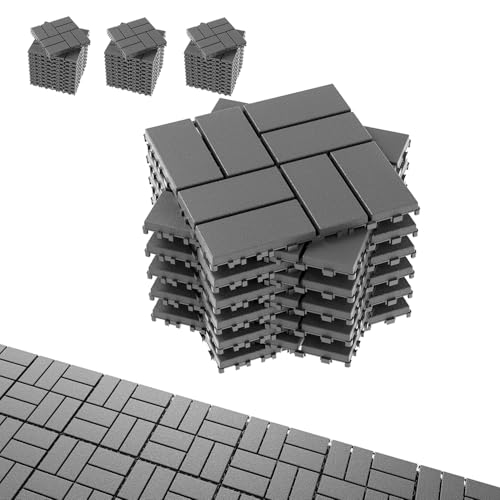
When you are blocking a full-length cardigan or a heavy wool blanket, space is your biggest enemy. Exquiss tiles are often sold in larger sets that allow you to create a massive, custom-shaped blocking surface on your floor.
The interlocking mechanism is quite secure, which prevents the tiles from shifting while you are crawling around on your hands and knees. This stability is essential when you have a heavy, wet garment that needs to be pinned precisely.
Because they are lightweight, they are easy to store away when not in use. Just be sure to wipe them down after each project to ensure no residual moisture or lanolin builds up on the surface.
ArtBin Foam Blocking Boards: Best Durable Choice

Durability is the standout feature here, as these boards are built to withstand heavy-duty use. If you are a prolific knitter who blocks projects every single week, the denser foam will resist the "pitting" that happens with cheaper materials.
The thickness of these boards is also a major plus. You can drive a long T-pin deep into the board, ensuring that even the thickest, heaviest wool sweaters remain anchored exactly where you want them.
While they may not be as portable as interlocking tiles, they are incredibly reliable. This is the "buy it once" option for the knitter who wants a permanent, sturdy station in their craft room.
Yarnology Foam Mats: Best for Small Item Blocking

Sometimes you only need to block a pair of socks or a small baby bonnet. Yarnology mats are perfectly sized for these smaller, detail-oriented projects, preventing you from having to clear off a massive floor space.
The foam is gentle on delicate fibers, ensuring that even fragile hand-dyed wools aren’t snagged by rough edges. They are easy to tuck into a project bag, making them an excellent choice for knitters who like to finish their items on the go.
Don’t underestimate the utility of a smaller board. Having a dedicated space for accessories keeps your main workspace clear and allows you to focus on the fine details of your smaller knits.
Why Foam Board Density Matters for Wool Projects
Density is the secret to a successful block. If a foam board is too soft, your pins will lean under the tension of the wool, causing your edges to pull inward rather than staying straight.
High-density foam acts as a solid anchor. When you pin a delicate wool fiber, you want the pin to stay perpendicular to the board; this ensures the stitches are stretched evenly in all directions.
If you are working with heavy, wet wool that has been soaked in water, the weight of the garment can actually pull pins out of low-density foam. Always opt for a firmer board when blocking heavy sweaters or blankets to avoid frustration.
How to Properly Pin Delicate Fibers Without Snagging
The biggest mistake knitters make is pushing the pin through the yarn itself. Always aim to slide your pins through the gaps between stitches, or through the "loops" of the edge stitches, to avoid splitting the fiber.
When working with delicate wools like Merino or cashmere, use rust-proof T-pins. Cheap, non-coated pins can leave dark marks on light-colored wool if they get wet, which is a tragedy for a finished garment.
If you find that your pins are still snagging, check the tips of your pins for any burrs or rough spots. A quick swipe with a fine-grit sandpaper can smooth out a problematic pin and save your sweater from a pull.
Essential Tips for Even Blocking of Fine Knitwear
Always start from the center and work your way out. Whether you are blocking a shawl or a sweater, anchoring the middle first prevents the fabric from shifting and becoming lopsided as you tension the edges.
Use a spray bottle to dampen the garment rather than soaking it completely if you are worried about the weight of the water stretching the wool too much. This "light damp" method is safer for very delicate or loosely spun wools.
Finally, let the garment dry completely before removing the pins. If you unpin while the wool is still even slightly damp, the fibers will "memory-set" into a distorted shape, undoing all of your careful work.
Investing in quality blocking boards is one of the most rewarding decisions a knitter can make. By providing a stable, reliable surface, these tools allow your delicate wool projects to reach their full, beautiful potential. Remember that your choice of board should match the scale and weight of your knitting to ensure the best possible results. Happy blocking, and may your stitches always lay perfectly flat.