7 Best Yarn Bobbins For Tapestry Kits Worth Using
Discover the 7 best yarn bobbins for tapestry kits. This guide evaluates durability and ease of use to help you organize your threads for a seamless project.
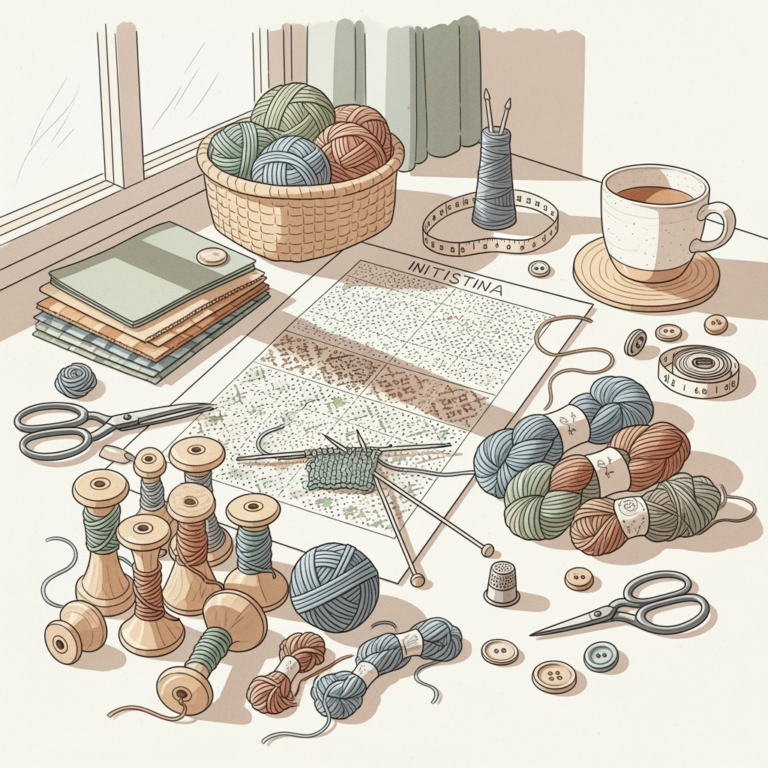
Managing multiple yarn colors in a tapestry project can quickly turn into a tangled nightmare if you aren’t using the right tools. Yarn bobbins are the unsung heroes that keep your working ends organized, tensioned, and ready for the next color change. Whether you are working on complex intarsia or simple color blocking, choosing the right bobbin is essential for maintaining your sanity. This guide covers the best options on the market to help you streamline your creative process.
Clover Plastic Yarn Bobbins: Best Overall Choice


Clover bobbins are the gold standard for most knitters because they strike the perfect balance between durability and ease of use. Their design features a simple snap-shut mechanism that keeps your yarn securely wound, preventing those frustrating "yarn barf" moments when you pull a new color.
These bobbins are lightweight, which is critical when you have dozens hanging from your work. If you are knitting a heavy wool sweater with intarsia motifs, you don’t want the weight of the bobbins stretching out your stitches.
The smooth plastic finish ensures they won’t snag on delicate fibers like alpaca or mohair. They are the reliable workhorse you want in your kit for almost any project.
Lacis Wooden Yarn Bobbins for Fine Tapestry Work
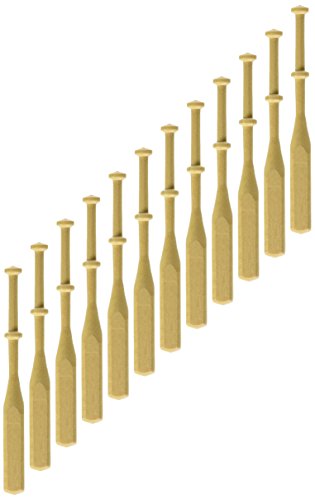
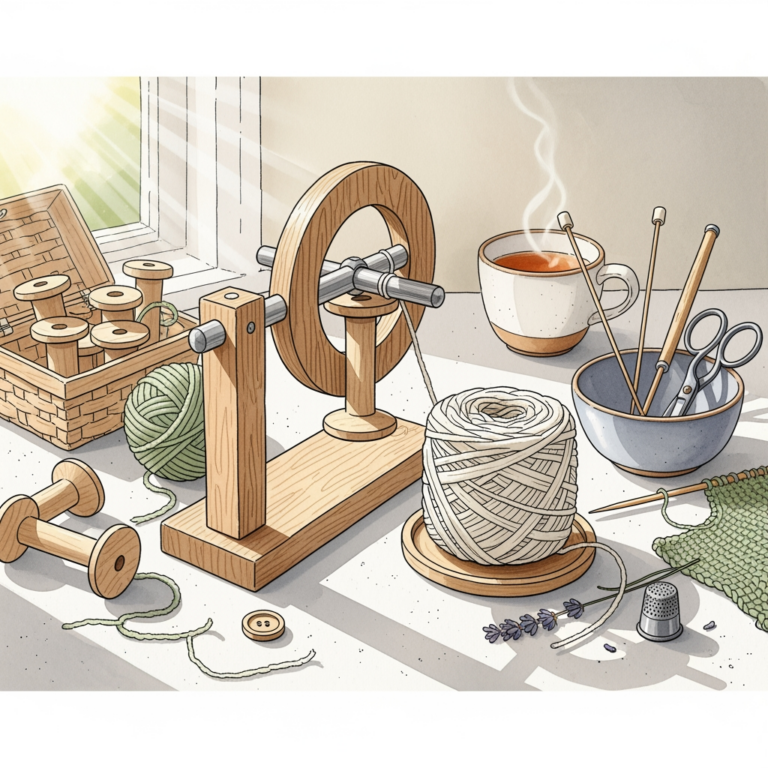
When you move into fine tapestry or delicate lace-weight projects, plastic can sometimes feel too bulky or static-prone. Lacis wooden bobbins offer a sophisticated, tactile experience that feels substantial in the hand.
The natural wood provides a gentle grip, which is excellent for slippery silk or bamboo yarns that tend to unwind on their own. Because they are slightly heavier, they provide a nice, consistent tension that helps keep your color transitions clean and tight.
While they require a bit more care to avoid splintering, they are a beautiful addition to your tool bag. They are best reserved for heirloom-quality projects where the process of making is just as important as the finished garment.
Boye Plastic Yarn Bobbins: The Budget Friendly Pick

If you are just starting out with colorwork, you likely don’t want to invest in a premium set immediately. Boye bobbins are widely available, affordable, and get the job done without any unnecessary frills.
They utilize a basic "butterfly" winding method that is easy to master. While they may not have the sophisticated locking mechanisms of higher-end brands, they are perfect for managing smaller amounts of yarn for simple color blocks.
The main tradeoff here is longevity; the plastic can become brittle over many years of heavy use. However, for a beginner tackling their first colorwork hat, they are an unbeatable value.
Knit Picks Yarn Bobbins: Best for Large Projects

When you are working on a large-scale tapestry or a complex intarsia blanket, you need bobbins that can hold a significant yardage. Knit Picks bobbins are designed with a larger capacity in mind, making them ideal for projects that require long, continuous strands.
Their design is streamlined to minimize bulk, which is vital when you have twenty or thirty bobbins hanging off the back of your work. You won’t find them getting tangled with each other as easily as smaller, rounder bobbins.
They are made from a durable, flexible plastic that stands up well to frequent winding and unwinding. If you are a production knitter, these are the ones you want to have in bulk.
Susan Bates Split Yarn Bobbins: Easy to Use Style

The Susan Bates split-style bobbin is a unique tool that allows you to wind your yarn without having to thread the end through a tiny hole. You simply wrap the yarn around the center and secure the tail in the split end.
This is a massive time-saver when you are constantly switching colors or adjusting your yarn lengths. It is particularly helpful for knitters who suffer from hand fatigue or limited dexterity, as the winding process is much less fiddly.
The tension control is slightly less precise than a locked bobbin, but the convenience factor is high. Use these when speed and ease of access are your top priorities.
Ashford Weaving Bobbins: Best for Heavy Yarns

While primarily designed for weaving, Ashford bobbins are a secret weapon for knitters working with bulky, roving-style, or super-chunky yarns. Their sturdy construction handles the weight and thickness of heavy fibers that would snap a smaller, more delicate bobbin.
They have a large core that prevents the yarn from becoming overly compressed, which is essential for maintaining the loft and bounce of wool. If you are working with a thick, single-ply yarn, you want to avoid the crushing effect of tight bobbins.
They are robust, virtually indestructible, and provide excellent weight distribution. They are a must-have for those who love working with thick, textured yarns.
Schacht Spindle Company Bobbins: Premium Quality
Schacht is a brand synonymous with quality in the fiber arts world, and their bobbins are no exception. These are precision-engineered tools that offer a level of consistency you won’t find in mass-market plastic options.
They are exceptionally balanced, which prevents them from swinging wildly while you work. When you are doing intricate stranded colorwork, that stability helps keep your gauge even across the entire row.
While they are a higher investment, they are designed to last a lifetime. Buy these if you want a tool that performs perfectly every single time and you appreciate the feel of high-quality craftsmanship.
How to Choose the Right Bobbin for Your Tapestry
Choosing the right bobbin comes down to the weight of your yarn and the complexity of your color changes. A general rule of thumb is to match the bobbin size to the amount of yarn you need for a specific color section; you don’t want a massive bobbin for a two-inch color block.
Consider the following factors before you buy:
- Yarn Weight: Chunky yarns need larger cores to prevent compression.
- Fiber Slickness: Slippery fibers like silk benefit from the grip of wood.
- Project Scale: Large projects require lightweight bobbins to prevent fabric distortion.
- Frequency of Use: If you knit daily, invest in higher-quality materials that won’t break.
Always test your setup with a small swatch before committing to a large project. If your yarn is constantly slipping off or the bobbin feels too heavy, swap it out before you get too far into your work.
Plastic vs Wooden Bobbins: Which Material is Best?
The debate between plastic and wood is often a matter of personal preference rather than objective superiority. Plastic is generally lighter, cheaper, and comes in a wider variety of locking styles, making it the go-to for most modern knitters.
Wood, however, offers a tactile warmth and a level of friction that can be very helpful for managing unruly fibers. Natural wood also tends to be more eco-friendly, which is a major consideration for many makers today.
- Choose Plastic if: You prioritize low weight, budget, and ease of cleaning.
- Choose Wood if: You prefer a natural aesthetic, need extra grip for slippery yarns, or want a tool that lasts decades.
Ultimately, your choice should reflect the specific needs of the project at hand. There is no shame in having a collection of both in your knitting bag.
Expert Tips for Managing Multiple Yarn Colors
The biggest challenge with tapestry knitting is not the knitting itself, but the management of the dangling bobbins. I always recommend keeping your bobbins organized on a "yarn butler" or a simple dowel when you are not actively working.
When you are in the middle of a row, try to keep your bobbins in the same relative order on the back of your work. This prevents the dreaded "bird’s nest" of yarn that occurs when bobbins twist around each other.
If you find your yarn is still tangling, consider using a project bag with grommets that allow you to keep the yarn separated. Always remember to untwist your bobbins every few rows to keep your tension consistent and your sanity intact.
Mastering the use of yarn bobbins will transform your tapestry work from a chaotic chore into a meditative, organized process. By selecting the right material and size for your specific project, you ensure that your tension remains perfect and your colors stay distinct. Take the time to experiment with these options to find what feels best in your hands. Happy knitting, and may your yarn always stay tangle-free!