6 Best Notebook Sets For Tracking Pattern Notes
Discover the six best notebook sets for tracking pattern notes. This guide evaluates durability and layout to help crafters organize designs efficiently.
Knitting is a craft of patience, but even the most seasoned maker can lose the thread of a complex lace pattern or a custom modification without a reliable record. A dedicated notebook serves as your project’s memory, capturing every skipped stitch, gauge swatch result, and yarn substitution. Whether you are a process-driven knitter or a results-oriented designer, having a physical space to map out your progress is an essential tool. These six notebooks offer the structure and quality needed to keep your fiber arts journey organized and stress-free.
Moleskine Classic Notebook: The Durable Choice


There is a reason the Moleskine is a staple in many project bags; it survives the chaos of being tossed around with sharp needles and tangled yarn. When you are working on a multi-month sweater project, you need a binding that won’t fall apart after being opened and closed hundreds of times.
The paper quality is consistent, though it is thin enough that you might see some ghosting if you use heavy-handed fountain pens or thick markers. This is a minor tradeoff for the sheer portability and the sturdy elastic closure that keeps your loose swatches or printed pattern pages tucked safely inside.
If you are the type of knitter who takes your project to the coffee shop or on long commutes, this is your best bet. It is essentially the "workhorse" of notebooks, built to handle the wear and tear of a busy life.
Leuchtturm1917 A5 Dot Grid: Best for Charts
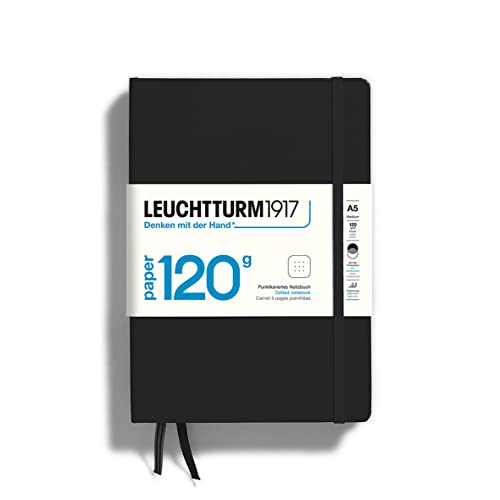
The dot grid is arguably the most versatile layout for a knitter because it provides a subtle guide for drawing out colorwork charts without the rigid interference of standard graph paper. If you are designing your own stranded colorwork motifs, those tiny dots are perfect for aligning your stitches.
This notebook also features numbered pages and a blank table of contents, which is a lifesaver when you have five different projects active at once. You can easily index your "Sock Yarn Shawl" on page 12 and your "Colorwork Mittens" on page 45.
The paper is fountain-pen friendly, meaning you can use colorful inks to highlight different yarn weights or needle sizes without worrying about bleeding. It is a structured choice for the knitter who loves to keep their notes as organized as their yarn stash.
Field Notes Kraft Memo Books: Best for Travel
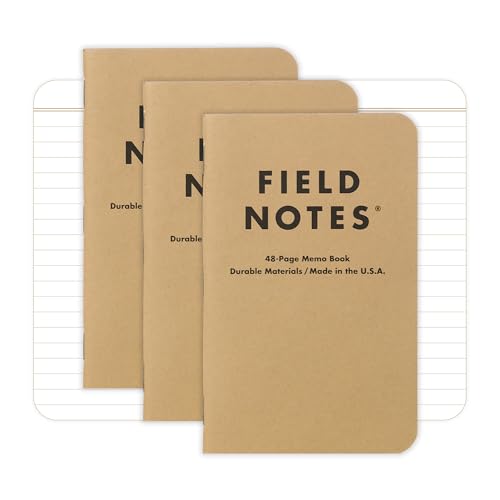
These slim, pocket-sized notebooks are perfect for the knitter who needs to track small details on the go, like a quick row count or a yarn colorway name. They are so lightweight that you will barely notice them tucked into your project bag alongside your circular needles.
Because they are so small, they aren’t ideal for large, complex charting, but they are excellent for keeping a "mini-journal" for each project. You can dedicate one book to a single project and store it with the finished garment as a permanent record.
The Kraft cover is rugged and develops a nice patina over time, much like a well-loved wool sweater. If you find yourself constantly forgetting which needle size you used for a specific project, keep one of these in your bag to jot down the size the moment you cast on.
Midori MD Notebook: The Minimalist Favorite
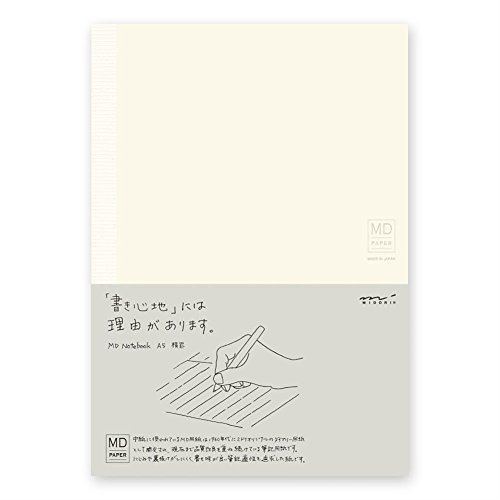
The Midori MD is for the knitter who wants a clean, distraction-free space to document the "soul" of their project. The paper is exceptionally smooth, making it a joy to write on, even if you are just scribbling down notes about the drape of a new alpaca blend.
This notebook opens completely flat, which is essential when you are trying to hold your knitting in one hand and a pen in the other. There are no bells and whistles here—just high-quality paper that highlights the natural beauty of your handwriting and sketches.
It is a meditative choice for those who view their knitting journal as a creative extension of the craft itself. If you enjoy writing long-form reflections on your knitting process, this paper will handle your pen with grace.
Hobonichi Techo Planner: Best for Daily Logs
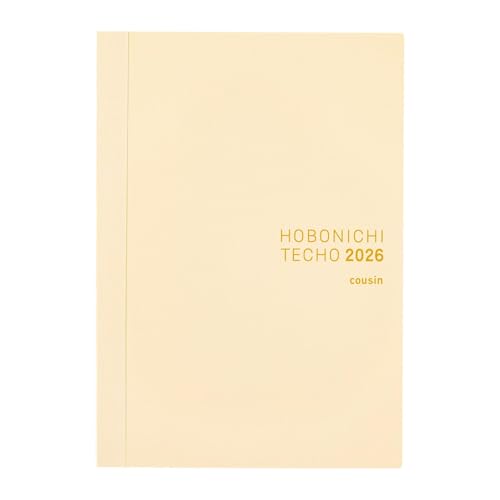
If you want to track your knitting alongside your daily life, the Hobonichi Techo is the gold standard for dated logs. Each day has its own page, allowing you to record exactly how many rows you completed or how your tension changed over the course of a week.
The Tomoe River paper is incredibly thin yet remarkably resilient, allowing for a high page count without making the book bulky. You can track your "knitting time" daily, which is a great way to see how long it actually takes you to finish a project from start to finish.
This is a high-commitment tool, but it rewards you with a comprehensive year-long archive of your making. It is perfect for those who want to see the intersection of their daily habits and their fiber arts progress.
Rhodia Webnotebook: The Premium Paper Pick

The Rhodia Webnotebook feels luxurious, featuring thick, ivory-colored paper that makes every note feel important. If you use fine-tipped pens to draw detailed lace repeats, this paper will ensure your lines are crisp and your ink stays exactly where you put it.
The hard cover offers a sophisticated look, and the paper quality is top-tier for those who love the tactile experience of writing. It is slightly heavier than other options, making it better suited for your home desk than for a crowded knitting bag.
Think of this as the "luxury yarn" of notebooks—it is a treat to use and elevates the entire experience of documenting your craft. It is the perfect place to store your "legacy" projects that you plan to keep or gift for years to come.
Why Tracking Your Knitting Notes Matters Most
Recording your notes isn’t just about being organized; it is about creating a reference for the future. When you find that perfect yarn substitution or finally figure out how to fix a recurring tension issue, you need to write it down.
Without notes, you are doomed to repeat the same mistakes, like using a needle size that was too large for a specific wool/nylon blend. A journal turns your knitting from a series of isolated events into a cumulative body of knowledge.
Over time, your journal becomes a map of your skill growth. You can look back at your first scarf and see exactly how far your technique has evolved, which is incredibly rewarding.
Essential Details to Record in Every Project
To make your notes truly useful, you need to go beyond the basics. While the pattern name is important, the "hidden" details are what save you during a project crisis.
- Yarn details: Brand, colorway, dye lot, and fiber content.
- Needle specifications: Size, material (wood vs. metal), and cord length.
- Gauge measurements: Both before and after blocking, as fiber behavior changes significantly once wet.
- Modifications: Every time you deviate from the pattern, note why and how you did it.
- WPI (Wraps Per Inch): If you are working with handspun or mystery yarn, this helps you understand the weight.
By tracking these, you create a fail-safe for when you inevitably set a project aside for a few months. When you pick it back up, you won’t have to guess if you were using a 3.5mm or 3.75mm needle.
How to Organize Your Knitting Journal Layouts
Organization is personal, but a consistent layout makes your notes much more readable. Start each project with a "Project Header" that includes the start date, the pattern source, and your intended recipient.
Use a consistent color-coding system for your notes: one color for row counts, another for pattern adjustments, and a third for "oops" moments or fixes. This allows you to scan a page and instantly find the information you need.
Don’t be afraid to tape in yarn swatches or labels from your yarn skeins. Seeing the physical fiber attached to your notes is much more helpful than just reading a name on a page.
Choosing Between Digital and Paper Pattern Logs
Digital logs are excellent for searchability and sharing, but they lack the tactile satisfaction of a physical journal. With digital tools, you can easily update your progress from your phone, but you lose the ability to sketch out charts or tape in yarn samples.
Paper journals offer a "slow" experience that mirrors the rhythm of knitting itself. They don’t require battery life, they don’t have software updates, and they won’t accidentally delete your notes.
Most experienced knitters eventually settle on a hybrid approach: using a digital app for quick row counting and a paper journal for deep, reflective documentation. Choose the method that feels the least like a chore, because if it feels like work, you won’t keep up with it.
Finding the right notebook is a personal journey, much like choosing the perfect yarn for a special project. Whether you prefer the rugged durability of a Moleskine or the premium feel of a Rhodia, the most important step is simply starting to document your work. Your future self will thank you every time you pick up a long-forgotten project and know exactly where you left off. Happy knitting, and may your notes be as beautiful as your stitches.