6 Best Warping Frames For Beginners Worth Owning
Discover the 6 best warping frames for beginners. This guide evaluates stability, ease of use, and value to help you select the perfect tool for your craft.
Mastering the warp is the bridge between simply collecting beautiful yarn and creating your own woven textiles. A reliable warping frame transforms the tedious task of measuring yarn into a rhythmic, meditative preparation for your loom. Choosing the right tool depends on your workspace, the length of your warps, and how much you value portability. Here are the best options to help you set up your warp with precision and ease.
Schacht Cricket Loom Warping Board: Best Overall
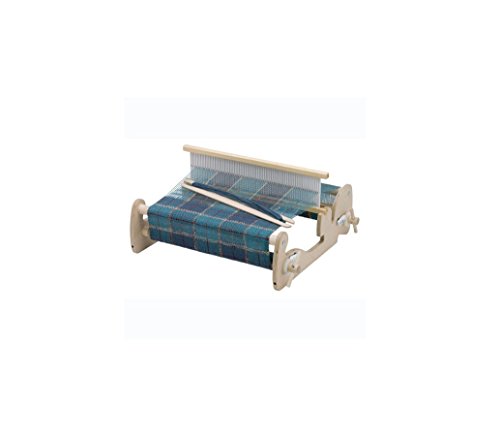

The Schacht Cricket warping board is the gold standard for those who appreciate simplicity and reliability. It is designed to be intuitive, making it a perfect companion for the Cricket rigid heddle loom, though it works beautifully with any small-scale setup.
The beauty of this board lies in its sturdy construction and the spacing of the pegs. It allows you to wind a consistent warp without the yarn slipping or tangling, which is a common headache when working with slippery fibers like silk or bamboo.
Because it is compact, it fits easily on a tabletop or can be leaned against a wall. If you are a beginner who wants a tool that "just works" without a steep learning curve, this is your best investment.
Ashford Table Loom Warping Frame: Best for Space
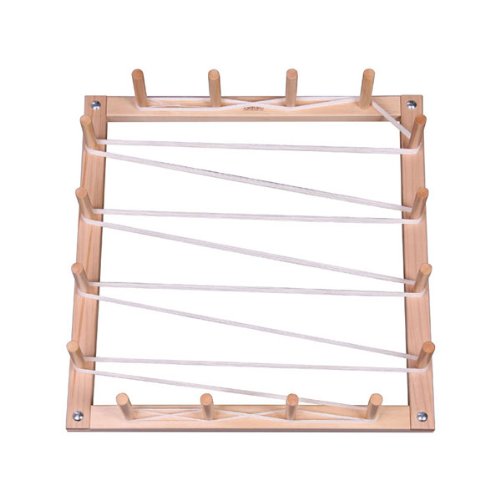
If your weaving studio is also your dining room table, the Ashford warping frame is a lifesaver. It is designed to be compact and efficient, allowing you to measure a decent length of warp without taking over the entire room.
This frame is particularly excellent for those working with finer yarns where tension control is paramount. The pegs are positioned to keep your cross—the crucial intersection of threads—neat and organized, which makes threading your heddles much faster later on.
The trade-off here is capacity; you won’t be winding massive 10-yard warps for long floor looms. However, for the hobbyist weaving scarves or napkins, its small footprint is an undeniable advantage.

Leclerc Hand Loom Warping Frame: Most Durable
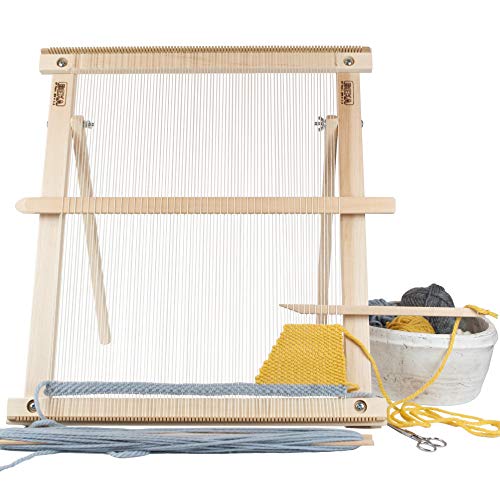
Leclerc is a name synonymous with longevity in the weaving world. Their warping frames are built to withstand decades of use, often outlasting the looms they serve.
When you handle this frame, you immediately notice the weight and the quality of the hardwood. It is designed for the weaver who is serious about their craft and plans on upgrading to larger looms in the future.
While it is a heavier piece of equipment, that weight is a benefit when you are winding high-tension warps. It won’t slide around on your table, ensuring that your measurements remain consistent from the first thread to the last.
Kromski Multi-Purpose Warping Mill: Best Value

The Kromski warping mill offers a unique, rotating design that sets it apart from traditional flat boards. It allows you to wind your warp much faster because you can spin the mill rather than walking back and forth.
This is a fantastic choice for weavers who frequently work with long warps. If you are planning to weave a series of projects and want to save time, the efficiency of a mill is well worth the slightly higher price point.
It is also aesthetically pleasing, matching the signature wood finish of Kromski looms. It is a functional piece of art that makes the mechanical process of warping feel much less like a chore.
Harrisville Designs Warping Board: Best for Walls
Harrisville Designs produces a classic peg-style board that is designed to be mounted directly to your wall. This is the ultimate solution for weavers who are tired of storing bulky equipment in closets.
By moving your warping process to the wall, you clear your workspace for the actual weaving. It’s an ergonomic choice as well, allowing you to stand comfortably while you wind, which is much better for your posture over long sessions.
The pegs are spaced perfectly for standard wool and cotton yarns. If you are working with sticky, woolen-spun yarns, the vertical orientation helps keep the threads from snagging on one another.
Glimakra Peg-Style Warping Frame: The Pro Choice
Glimakra gear is designed for the professional weaver, and their warping frame is no exception. It is robust, precise, and offers a massive capacity that can handle the requirements of a large floor loom.
This frame is for the weaver who has moved past kits and is now designing their own drafts and working with complex tie-ups. It provides the stability needed for long, multi-section warps that require perfect tension throughout.
While it is an investment, the precision of the peg placement ensures that your warp ends are exactly equal in length. For those tackling intricate patterns where even a slight tension variance could ruin a design, this is the tool to own.
Understanding Warping Frame Sizes and Capacities
The size of your frame dictates the maximum length of your warp. Beginners often underestimate how much "take-up" happens during weaving, which is the yarn lost to the curves of the weave structure.
Always choose a frame that allows for at least 15-20% more length than your finished project requires. This accounts for loom waste, which is the yarn that cannot be woven because it is trapped behind the heddles or tied to the apron rod.
- Small (under 3 yards): Perfect for rigid heddle looms and quick sampling.
- Medium (3–6 yards): Ideal for standard scarves and table runners.
- Large (6+ yards): Necessary for multi-towel warps or yardage.
How to Choose the Right Frame for Your Loom Type
Your choice of frame should mirror your loom. If you are using a rigid heddle loom, a simple peg board is usually sufficient because your warp lengths are shorter and less complex.
If you are graduating to a floor loom with multiple shafts, you need a frame that can handle a "cross." This is the figure-eight pattern of threads that keeps your warp organized during the beaming process.
Always check that the peg distance on your board matches the requirements of your loom’s warping instructions. Some looms require a specific cross to be made at the beginning of the warp to ensure the threads don’t get tangled during winding.
Essential Tips for Maintaining Your Wood Frame
Wood is a living material, and warping frames are susceptible to humidity changes. If your studio is in a basement or a damp area, keep an eye on the pegs to ensure they haven’t loosened over time.
A light application of beeswax on the pegs can help yarn slide off more easily. This is particularly helpful if you are working with sticky, high-twist yarns that tend to grab onto the wood.
Avoid storing your frame in direct sunlight, which can cause the wood to warp or crack. If a peg does come loose, a simple drop of wood glue is usually enough to secure it for another decade of use.
Common Beginner Mistakes When Measuring Warp Yarns
The most common mistake is failing to maintain consistent tension while winding. If some threads are tighter than others, you will end up with "sagging" warps that create uneven edges on your fabric.
Another frequent error is forgetting to secure the cross. If your cross slips while you are transferring the warp to the loom, you will spend hours untangling threads that should have stayed in order.
Finally, don’t rush the counting process. It is easy to lose track of how many threads you have wound; using a simple tally counter or a piece of scrap yarn to mark every 10 or 20 threads will save you from having to restart your warp entirely.
Investing in a quality warping frame is one of the most significant steps you can take toward becoming a more confident weaver. By choosing a tool that fits your space and your specific project needs, you remove the friction from your creative process. Remember that the time spent carefully measuring your warp is never wasted, as it ensures a smooth and enjoyable weaving experience. Happy weaving, and may your tension always be true.