6 Best Quilting Clamps For Frame Tension To Use
Achieve professional results with our guide to the 6 best quilting clamps for frame tension. Compare top-rated options and shop your perfect set for projects now.
Achieving perfect, even tension across a large quilt top is the difference between a professional-looking heirloom and a piece that sits unevenly on the bed. When fabric sags or shifts on a frame, stitches become distorted, much like how uneven gauge ruins the drape of a hand-knitted lace shawl. Selecting the right clamping system provides the stability needed to ensure every pass of the machine is as precise as the last. This guide explores the most reliable tools to keep your quilting layers locked in place for optimal results.
Red Snappers: Best for Easy Quilt Loading


Red Snappers function by snapping a plastic tube over the fabric onto a leader cloth, effectively pinning the quilt without the hassle of basting. They provide a secure, uniform grip that mimics the tension of a drumhead, which is essential when working with delicate fibers or heavy wool batting.
These tools are highly recommended for quilters who transition between multiple projects, as the quick-snap mechanism saves significant setup time. Much like utilizing interchangeable needle tips for various yarn weights, Red Snappers offer the versatility needed to swap projects on a single frame without losing consistent tension.
While they provide a remarkably stable grip, they require a specific diameter of leader cloth rod to function optimally. Always verify frame compatibility before purchasing to avoid a loose fit that could lead to fabric shifting during mid-motion quilting.
Quilter’s Fabri-Clamps: Top Side Tension Pick
Fabri-Clamps are designed to attach to the side rails of a quilting frame, pulling the quilt taut from the left and right edges. Consistent side tension prevents the “puckering” effect that often occurs when the needle density changes, much like managing tension in intarsia knitting to avoid loose floats.
These clamps usually feature adjustable tension knobs, allowing for fine-tuned control over the horizontal pull. This adjustability is vital when working with fabrics of different weights, such as a light cotton voile versus a dense, heavy-duty quilt backing.
Because they exert pressure directly on the fabric edge, ensure the quilt backing is slightly wider than the quilt top. This prevents the clamps from marking the visible portion of the quilt, preserving the integrity of the finished work.
Grace Company Side Clamps: For Longarm Quilters
Grace Company side clamps are engineered specifically for the robust demands of longarm frames. They provide a heavy-duty solution for managing the weight of larger quilts, ensuring the edges remain flat and aligned as the longarm machine travels across the frame.
These clamps often utilize a bungee-style system that offers a degree of “give.” This slight elasticity is beneficial; it prevents the fabric from over-stretching while maintaining a firm hold, similar to how a slight bit of nylon content in sock yarn adds durability without sacrificing comfort.
Reliability is the primary benefit here, as these are built to withstand the repetitive, rapid movements of a longarm machine. For those tackling bed-sized quilts, this hardware is a staple for maintaining structural consistency from edge to edge.
Handi Quilter Super Clamps: Best for Heavy Duty
Handi Quilter Super Clamps are designed for quilters who demand absolute immobilization of their fabric layers. When working with complex, multi-layered quilts that include high-loft batting, these clamps provide the necessary force to keep everything compressed and shift-free.
These are notably more substantial than standard plastic spring clamps, offering a vice-like grip that won’t slip even when the frame is adjusted frequently. They act as a safeguard against the creeping tension loss that often happens during long, multi-day quilting sessions.
Because of their significant holding power, these should be used with care on delicate or vintage fabrics. Use them primarily for your heavy-duty, modern cotton quilts where fabric integrity under pressure is not a primary concern.
Frank A. Edmunds Clamps: For Traditional Frames
Frank A. Edmunds clamps cater to the traditional quilter who utilizes wooden frames or hoops. These are designed to maintain the classic “drum” tension that quilters have relied on for generations, providing a gentle yet firm hold on the fabric.
These clamps are ideal for smaller projects or hand-quilting setups where portability is a factor. Much like choosing wooden knitting needles for the grip they provide on slippery silk yarn, these clamps offer a tactile, secure connection to the fabric that metal or plastic alternatives might lack.
When using these, it is important to check the tension periodically, as wood can expand or contract slightly depending on the room’s humidity. Consistent monitoring ensures that the quilt remains taut throughout the duration of the project.
Pony Spring Clamps: Most Versatile Budget Option
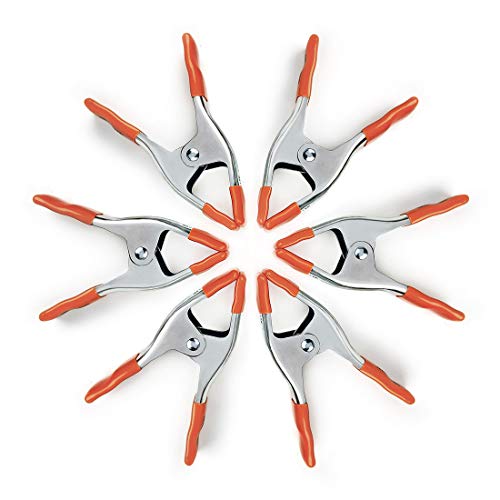
Pony spring clamps are a staple in many sewing rooms because they are inexpensive and widely available. While not exclusively designed for quilting, their strong spring mechanism makes them highly effective for holding layers of fabric to the frame rails.
They serve as an excellent “extra hand” for securing excess fabric on the sides or holding batting in place while loading the frame. They function effectively as temporary anchors, similar to using stitch markers to hold the position of a complex cable pattern before finalizing the work.
Because they are simple metal or plastic springs, they lack the specialized soft padding found on dedicated quilting clamps. Always wrap the ends with a soft cloth or tape to prevent them from snagging or leaving indentations on the fabric.
How to Pick Clamps for Your Quilting Frame
Choosing the right clamp starts with assessing the type of frame currently in use. A longarm frame requires heavy-duty, bungee-style tensioners, whereas a tabletop hoop or lap frame requires lightweight, non-slip clamps that won’t add unnecessary weight.
Consider the weight and thickness of the quilt layers. Heavy wool batting or thick fleece requires a clamp with a deep throat and a high-tension spring, while light, delicate silks need a gentler touch to prevent tearing or permanent distortion of the weave.
- Compatibility: Does the clamp fit the rail diameter of your frame?
- Material: Are the contact points padded to protect sensitive fabrics?
- Adjustability: Does the clamp allow for varying levels of tension?
- Ease of Use: Can the clamps be operated with one hand?
Side Clamps vs. Leader Grips: What’s the Diff?
Side clamps pull the fabric horizontally toward the frame rails, which helps eliminate sagging along the sides of the quilt. Leader grips, on the other hand, connect the quilt to the rolling bars of the frame, providing the primary vertical tension for the entire sandwich.
Think of leader grips as the foundation, much like the cast-on edge of a sweater, while side clamps are the blocking process that refines the final shape. A stable setup requires both: leader grips for overall tension and side clamps for edge-to-edge alignment.
If forced to choose between the two for a budget, prioritize quality leader grips. Without a solid vertical base, side clamps will simply pull the fabric into an uneven distortion, rather than creating a flat surface.
Keeping Your Fabric Safe: Proper Clamp Usage
Always place clamps away from the stitching path to ensure they do not interfere with the movement of the machine head. A collision between a needle and a metal clamp can cause catastrophic damage to both the machine and the quilt top.
Use protective layers if the clamps have sharp edges or high-tension springs. Placing a small scrap of flannel or felt between the clamp and the fabric acts as a buffer, preventing pressure marks or damage to delicate fibers, much like using point protectors to keep yarn from snagging on needle tips.
Never leave clamps on the fabric for an extended period when the quilt is not being worked on. Allowing the fabric to sit under high-tension points for days can result in permanent stretching or “denting” of the fabric fibers.
Clamp Care: Extending the Life of Your Tools
Regularly inspect your clamps for burrs, cracks, or loose components. A small crack in a plastic clamp can pinch the fabric, leading to unintended snags or tears in the quilt top during a crucial quilting pass.
Keep the contact surfaces clean of lint and debris. A buildup of fibers can reduce the grip of the clamp, causing it to slip unexpectedly during a quilting session. Periodically wipe them down with a slightly damp cloth to ensure the surface remains clean and grippy.
Store your clamps in a cool, dry environment, away from direct sunlight. Excessive heat or UV exposure can degrade plastics over time, making them brittle and prone to snapping under the pressure of a tightly tensioned quilt.
Investing in quality clamping hardware is a fundamental step in elevating the consistency and professionalism of any quilting project. By matching the specific tool to your frame and material requirements, you can eliminate the frustrations of uneven tension and focus entirely on the artistry of your stitching.