6 Best Tissue Papers For Long Term Storage To Use
Preserve your valuables with our guide to the 6 best acid-free tissue papers. Learn how to protect delicate items from long-term damage and yellowing safely.
Storing your handknits correctly is just as vital as choosing the right yarn for your project. Over years of teaching, I have seen too many heirloom sweaters ruined by improper storage and acidic materials. Investing in high-quality archival tissue is the simplest insurance policy for your hard work. This guide will help you navigate the best options to keep your fiber arts projects pristine for generations.
Archival Methods Acid-Free Tissue: Best Overall
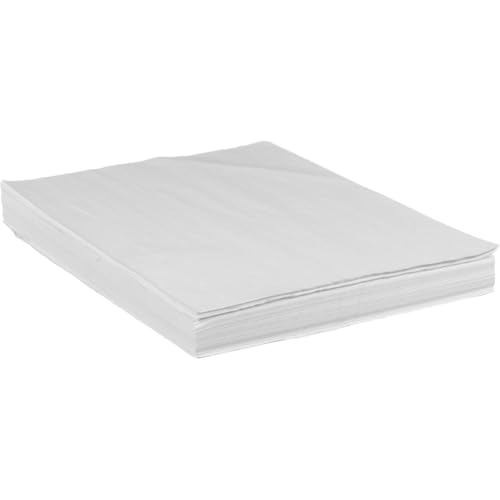

When you spend sixty hours on a stranded colorwork yoke, you cannot afford to skimp on storage. Archival Methods produces a standard-setting tissue that is completely free of acids and lignin, which are the primary culprits behind yellowing and fiber degradation.
This tissue is remarkably versatile, making it my go-to recommendation for mixed-fiber stashes. Whether you are storing a pile of cotton baby blankets or a heavy wool cable-knit afghan, this paper provides a stable, neutral environment. It is thin enough to fold easily into sleeves but sturdy enough not to tear when you are wrapping delicate lace.
The bottom line is that this is the "gold standard" for a reason. If you want one reliable product that covers 90% of your knitting collection, this is it.
University Products Buffered Tissue for Textiles

If your collection consists primarily of sturdy, non-protein fibers like cotton, linen, or synthetic blends, buffered tissue is a fantastic choice. These tissues are treated with a calcium carbonate buffer that helps neutralize acidic gases in the air.
This buffering agent acts like a shield against the environmental pollutants that often migrate into our closets. I often suggest this for quilters and knitters who live in older homes or urban areas where air quality fluctuates. It provides a proactive layer of protection that unbuffered papers simply cannot match.
However, be mindful that buffering is not one-size-fits-all. It is an excellent defensive tool, but it should be reserved for fibers that won’t react negatively to the alkaline treatment.
Gaylord Archival Unbuffered Tissue for Protein

Protein fibers, such as wool, silk, alpaca, and mohair, require a more delicate touch than plant-based fibers. Because these fibers are chemically sensitive, they can sometimes react poorly to the alkaline nature of buffered papers over long periods.
Gaylord Archival’s unbuffered tissue is the professional choice for your most precious hand-dyed merino or luxury silk blends. It offers a pH-neutral environment without the added calcium carbonate, ensuring that the natural oils and proteins in your yarn remain stable.
If you are packing away that hand-knit wedding shawl or a prized cashmere sweater, skip the buffer. Use this unbuffered option to ensure the chemical integrity of your protein-based fibers remains untouched.
Lineco Archival Quality Acid-Free Tissue Paper

Lineco is a household name in archival circles, and for good reason—their tissue is widely accessible and consistently high quality. It is exceptionally soft, which makes it perfect for stuffing the sleeves or hoods of sweaters to prevent deep, permanent creases.
I find that many knitters overlook the importance of "stuffing" their garments. By loosely filling the interior of a sweater with this tissue, you prevent the weight of the fabric from creating sharp, stress-prone folds. Lineco’s paper is light enough that it doesn’t add unnecessary bulk to your storage bins.
It is a reliable, easy-to-source option that bridges the gap between professional conservation and home storage. Keep a pack in your knitting room at all times for quick, post-blocking storage.
Talas Conservation Grade Tissue for Woolens
When you are dealing with high-end woolens, you want a tissue that is as clean as the fiber itself. Talas offers a conservation-grade tissue that is exceptionally pure, free of any optical brighteners or bleaching agents.
Optical brighteners are often used in commercial tissue to make it look "whiter," but these chemicals can migrate onto your yarn and alter its appearance over time. Talas avoids these shortcuts entirely. It is a clean, honest product that respects the natural state of your wool.
If you have a collection of heirloom-quality woolens, this is the professional-grade protection they deserve. It is an investment, but a necessary one for long-term preservation.
Light Impressions Buffered Tissue for Storage
Light Impressions is another stalwart in the archival world, particularly known for their buffered options. Their tissue is dense and smooth, offering a physical barrier that is excellent for interleaving between stacked garments.
I often use this when I am storing multiple sweaters in a single archival box. By placing a sheet of this between each layer, you prevent the friction of one yarn rubbing against another, which can lead to pilling or fiber transfer. It’s a simple technique that keeps your projects looking like they just came off the needles.

Just remember to check your fiber content before choosing their buffered line. If you are storing a silk-mohair blend, stick to the unbuffered alternatives mentioned earlier.
Why Acid-Free Tissue is Essential for Yarn
Acid is the silent killer of hand-knits. Over time, acidic materials—like standard gift-wrap tissue or cardboard boxes—will cause fibers to become brittle, discolored, and eventually weak enough to snap.
When you knit, you are creating a structure of interconnected loops. If the fiber itself loses its elasticity and strength due to acid exposure, your hard work will literally begin to unravel or tear. Acid-free tissue stops this chemical breakdown in its tracks.
It is not just about keeping things pretty; it is about structural longevity. Think of acid-free tissue as the foundation for your knitting legacy.
Buffered vs Unbuffered: Choosing for Fibers
The debate between buffered and unbuffered tissue comes down to the chemistry of your fiber. Use this simple guide to decide which path is right for your project:
- Buffered (Alkaline): Best for plant-based fibers like cotton, linen, hemp, and bamboo. The buffer helps fight off environmental acidity.
- Unbuffered (Neutral): Essential for protein-based fibers like wool, silk, mohair, alpaca, and angora. These fibers are sensitive to high pH levels.
If you are ever in doubt about the fiber content of a stash item, play it safe with unbuffered, pH-neutral tissue. It is the universally "gentle" choice for any fiber.
How to Properly Wrap Knits for Long Storage
Proper storage is about more than just wrapping; it is about how you place the item in the box. Start by ensuring your knit is clean and completely dry, as even a hint of moisture can lead to mildew.
Lay a sheet of tissue flat, place your garment on top, and use more tissue to pad the folds. Avoid sharp creases; instead, create soft, rounded folds that mimic the way the garment hangs on the body. Fill the sleeves and any hollow areas with crumpled (but not crushed) tissue to maintain the garment’s shape.
Finally, wrap the entire bundle in a final layer of tissue before placing it into an acid-free archival box. This creates a micro-climate that keeps your project safe from dust, light, and pests.
Tips for Protecting Stored Handknits from Moths
Tissue paper is your first line of defense, but it isn’t a silver bullet against pests. Moths are attracted to dirty fibers, so always wash your knits before long-term storage, even if they look clean to the naked eye.
Once your items are wrapped in archival tissue, place them in a sealed, airtight container. Cedar blocks or lavender sachets can be placed inside the storage box, but ensure they do not touch the yarn directly, as their natural oils can sometimes leave marks.
Periodically inspect your stored knits once or twice a year. A quick shake-out and a fresh look will help you catch any issues before they become a disaster.
Taking the time to store your knits properly is the final, most thoughtful step in the knitting process. By choosing the right archival tissue, you ensure that your projects remain as vibrant and strong as the day you bound off. Treat your yarn with respect, and it will remain a cherished part of your wardrobe for years to come. Happy knitting, and may your storage be as meticulous as your tension.