6 Best Crochet Hooks For Repairing Snags You Need
Repairing snags is easy with the right tools. Discover our top 6 crochet hooks designed for seamless fabric restoration and perfect finishing every time.
Finding a snag on your favorite hand-knitted sweater can feel like a minor tragedy, but it is a problem every knitter eventually faces. Whether it is a stray loop caught on a piece of jewelry or a snag caused by a rough surface, the right tool makes the difference between a seamless repair and a permanent hole. Having a small collection of high-quality crochet hooks dedicated to snag repair is a non-negotiable part of any well-stocked knitting kit. Here are the best tools to help you restore your knits to their original, pristine condition.
Clover Amour Steel Hook: Best for Fine Yarns
When you are working with lace-weight or fingering-weight yarn, a bulky hook will only stretch the surrounding stitches and make the repair worse. The Clover Amour steel hooks are incredibly precise, offering a smooth finish that won’t shred delicate fibers like silk or merino wool.


The signature feature of this line is the soft, rubberized handle that provides a secure grip without the need for excessive pressure. If you are repairing a snag on a fine-gauge garment, this comfort is vital for maintaining the steady hand required to pull a tiny loop through the fabric.
Be aware that these hooks are quite slender, so they are best reserved for your most intricate projects. If you try to use them on heavy-duty worsted yarn, you will find the hook head is simply too small to grab the yarn effectively.
Tulip Etimo Steel Hook: Best Ergonomic Choice
If you find that your hands cramp up during long repair sessions, the Tulip Etimo series is the gold standard for ergonomics. The handle is perfectly balanced and sits naturally in the palm, reducing the strain on your fingers when you are carefully navigating a snag.
The polished steel finish on these hooks is exceptionally smooth, which is a major advantage when working with "sticky" fibers like mohair or angora. You want a hook that glides through the fabric without catching on neighboring loops.
While these hooks are a higher investment, the quality of the finish ensures they will last a lifetime. They are the perfect choice for the knitter who values comfort as much as precision.
Susan Bates Silvalume Hook: Best for Slippery
Sometimes you need a hook with a bit more "bite" to grab a loose thread that keeps trying to slide away. The Susan Bates Silvalume hooks feature an inline head design, which is distinct from the tapered hooks found in most other brands.

This inline shape is excellent for snag repair because it acts like a tiny anchor, holding onto the yarn securely as you pull it through the fabric. It is particularly helpful when working with slippery, high-twist yarns that have a tendency to unspool or lose tension.
Because the throat of the hook is deeper, you get more control over the yarn path. Just remember that the aluminum finish is quite slick, so use a steady, deliberate motion to avoid pulling the thread too far.
Boye Aluminum Crochet Hook: Best for Beginners
If you are new to the world of knit repairs, the Boye aluminum hook is a reliable, no-nonsense tool that belongs in every notions bag. These hooks are tapered, meaning the throat is slightly rounded, which makes it easier to slide the hook into tight stitch patterns.
Because they are widely available and very affordable, they are a great "starter" tool for learning how to manipulate yarn tension during a repair. You won’t feel the same pressure to be perfect that you might with a more expensive tool.
The lightweight aluminum construction is durable and won’t bend under light pressure. Keep in mind that they lack an ergonomic handle, so they are best suited for quick, occasional repairs rather than marathon fixing sessions.
Addi Swing Steel Hook: Best for Hand Fatigue
The Addi Swing is a unique tool that features an angled handle designed to follow the natural contour of your hand. For knitters dealing with arthritis or repetitive strain, this hook can be a genuine game-changer.
The steel tip is very fine and polished to a mirror-like shine, ensuring it passes through even the tightest stitch density without resistance. It is remarkably efficient for pulling stubborn snags back to the inside of a garment.
The trade-off is that the handle shape takes some getting used to. Once you find your rhythm, however, you will likely find that you can perform delicate repairs with much less fatigue than a standard straight-handled hook.
Lacis Steel Crochet Hook: Best for Tiny Snags
When you are dealing with a snag that is almost microscopic, you need the extreme precision of a Lacis steel hook. These are often available in very small sizes, making them ideal for the finest lace or delicate sock yarns.
They are traditional in design, simple, and incredibly effective at picking up a single strand that has been pulled out of place. Because the head is so small, you can isolate the snag without disturbing the surrounding stitch structure.
These are not ergonomic, so use them for quick, surgical strikes rather than long repairs. They are the ultimate "precision instrument" for the knitter who wants to fix a snag without leaving a trace.
Why Hook Size Matters for Repairing Snags
Selecting the right hook size is the most critical step in a successful repair. If your hook is too large, you risk stretching the surrounding stitches, creating a visible "pucker" in your fabric. If it is too small, you won’t be able to catch the yarn loop securely.
- For lace-weight yarn: Use a 0.5mm to 1.0mm hook.
- For fingering/sock yarn: Use a 1.25mm to 1.75mm hook.
- For worsted weight: Use a 2.0mm to 2.5mm hook.
Always aim for a hook that is slightly smaller than the needle size you used to knit the project. This ensures the hook can easily navigate through the stitch without distorting the fabric.
How to Safely Pull Snags Through Your Fabric
The goal of a snag repair is to move the excess yarn from the right side of the fabric to the wrong side. Start by identifying the loop that has been pulled out and locate the exact stitch where the snag originates.
Insert your crochet hook from the wrong side of the fabric, coming up through the base of the snag. Catch the loop with the hook and gently pull it through to the back.
Once the loop is on the inside, you can secure it by weaving it into the surrounding stitches. Use a tapestry needle to anchor the tail, ensuring it won’t pop back out through the front of your garment.
Preventing Future Snags in Delicate Knits
Prevention is always better than repair, especially with delicate fibers like alpaca or mohair. Be mindful of your jewelry, particularly bracelets and rings with prongs, which are the primary culprits for catching yarn.
When washing your knits, always use a mesh laundry bag to prevent the fabric from rubbing against the agitator or other clothing items. This is especially important for hand-knits that are prone to pilling or snagging.
If you are wearing a delicate knit, try to avoid rough surfaces like wooden chairs or wicker baskets. A little extra awareness goes a long way in keeping your hand-knitted items looking brand new for years to come.
Essential Repair Kit Tools for Every Knitter
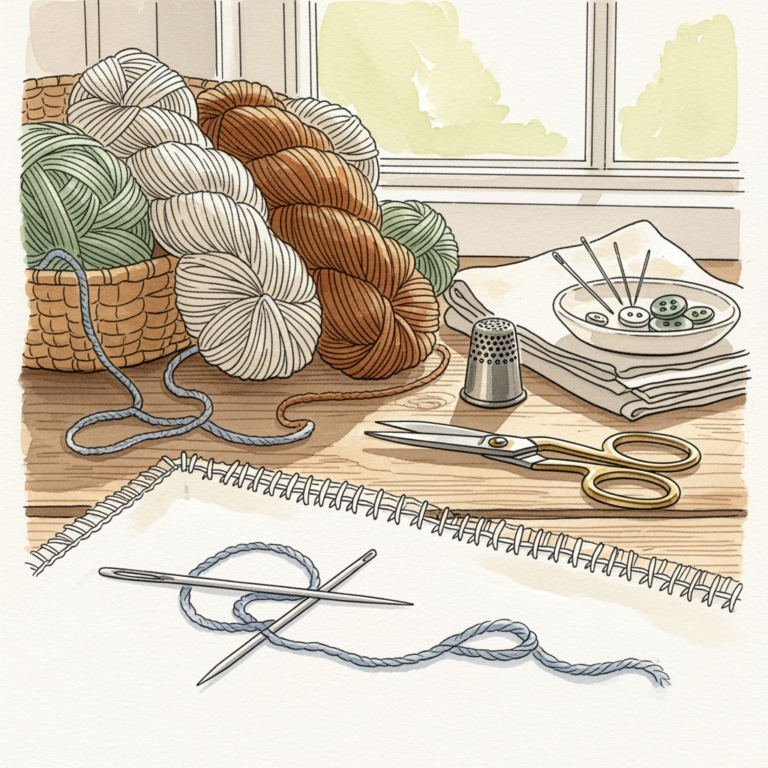
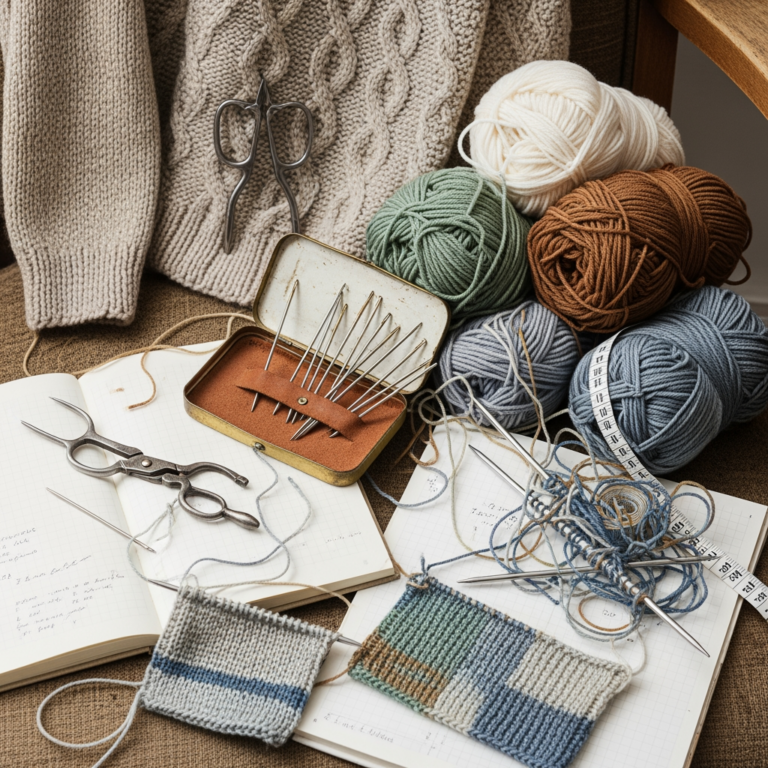
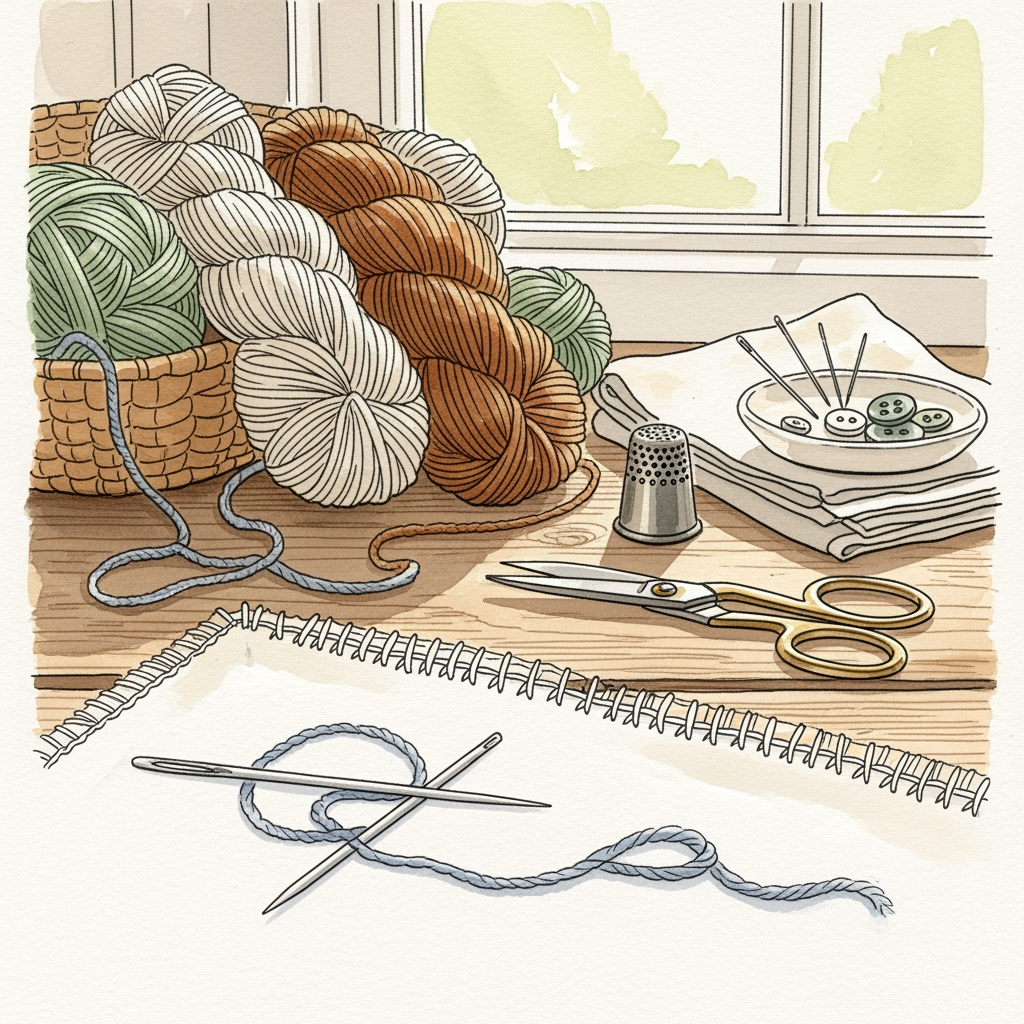
Beyond your crochet hooks, a complete repair kit should include a few other essentials. A pair of sharp, fine-tipped embroidery scissors is necessary for trimming loose ends once a repair is secured.
A blunt-tipped tapestry needle is also vital for weaving in ends on the wrong side of the fabric. I also recommend keeping a small piece of matching scrap yarn in your kit, just in case a snag has caused a small hole that needs to be reinforced.
Finally, keep all these tools in a dedicated, small pouch. Having your repair kit ready to go means you won’t hesitate to fix a snag the moment you see it, preventing further damage.
Repairing snags is a fundamental skill that every knitter should master to protect their hard work. By choosing the right hook for the yarn weight and fiber type, you can turn a moment of panic into a simple, satisfying fix. Keep your tools organized, stay patient with your fabric, and your hand-knits will remain beautiful for generations to come. Happy knitting, and may your stitches always stay right where they belong.