6 Best Yarn Ball Winder Kits for Beginners Rated
Discover the top 6 yarn ball winder kits for beginners. We evaluate ease of use, durability, and value to help you organize your yarn stash with confidence.
Transitioning from tangled, unruly hanks of yarn to neat, center-pull cakes is a rite of passage for every knitter. A quality yarn winder doesn’t just save you time; it preserves the integrity of your fibers by preventing unnecessary stretching and friction. Whether you are prepping a delicate hand-dyed lace weight or a bulky wool blend, having the right tool makes the process seamless. Here are the six best yarn winder kits to help you organize your stash and prepare for your next project with confidence.
Stanwood Needlecraft Large Metal Yarn Winder


This winder is the gold standard for serious stash-builders who frequently deal with large, 10-ounce hanks. Its heavy-duty metal gears provide a smooth, consistent rotation that plastic models simply cannot replicate.
When you are winding a massive skein of rustic, woolen-spun yarn, you need a machine that won’t skip or jam. The Stanwood’s robust construction handles the weight of larger cakes without wobbling, ensuring your tension remains even throughout the entire process.
If you find yourself frequently working with heavy worsted or bulky yarns, this is the investment piece to choose. While the price point is higher, the durability means you won’t be replacing it after a few dozen cakes.
Knit Picks Yarn Ball Winder: Best Budget Pick
For the beginner who is just starting to build a stash, the Knit Picks winder is an accessible and reliable entry point. It is lightweight, portable, and gets the job done without requiring a significant financial commitment.
It excels at winding standard 100-gram hanks of fingering or DK weight yarn. Because it is made of plastic, it is prone to moving if not clamped securely to a table, so make sure your workspace is sturdy before you begin.
While it lacks the heavy-duty feel of metal models, it is perfectly adequate for the occasional project. It is the ideal choice if you want to test the waters of winding your own yarn without breaking the bank.
LAMXD Hand-Operated Yarn Winder: Best Compact
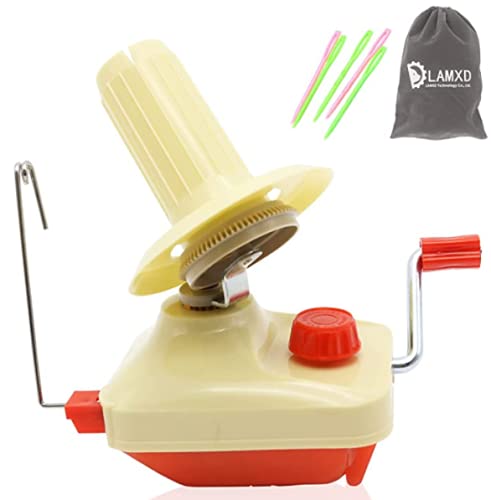
If your knitting space is limited—perhaps a small corner of a dining table or a dedicated project bag—the LAMXD is a fantastic space-saver. Its compact design is surprisingly efficient, producing tidy cakes that fit neatly into yarn bowls.
The smaller footprint does mean the capacity is limited; don’t expect to wind a massive 400-gram sweater quantity in one go. However, for winding smaller leftovers or individual hanks for colorwork, it is incredibly convenient.
I recommend this for knitters who prioritize portability and ease of storage. It tucks away into a drawer effortlessly, making it a great companion for knit-nights away from home.
Nagina International Wooden Yarn Winder Review

There is something undeniably tactile and beautiful about using a wooden tool in the fiber arts. The Nagina winder offers a classic, artisanal aesthetic that feels more like a piece of furniture than a plastic gadget.
Beyond the looks, the weight of the wood provides a natural stability that helps keep the winder grounded during operation. It is a lovely choice for those who prefer natural materials and want their tools to reflect the warmth of their yarn.
Keep in mind that wooden gears require a bit of extra care to ensure they remain smooth. A light touch of wax or lubricant occasionally will keep the parts moving silently and effectively for years.
U-Nitt Heavy Duty Yarn Winder for Large Skeins
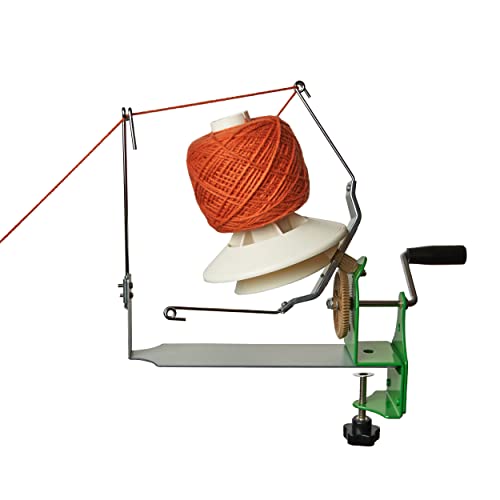
When you are dealing with a massive "sweater quantity" of yarn, you need a winder that won’t buckle under the pressure. The U-Nitt is designed specifically for those large-scale projects where you need to wind hundreds of yards in one sitting.
The wide base and sturdy clamp ensure that even as the cake grows, the winder remains perfectly stationary. This is crucial for avoiding the dreaded "yarn barf" that happens when a cake collapses due to uneven winding pressure.
If you are a frequent sweater knitter who buys in bulk, this is a highly functional workhorse. It turns the chore of winding into a quick, satisfying task rather than a marathon session.
Boye Electric Yarn Winder: The Premium Choice

If you have arthritis, repetitive strain issues, or simply have a massive stash to process, an electric winder is a game-changer. The Boye system takes the physical work out of the equation, allowing you to focus entirely on guiding the yarn.
The electric motor maintains a perfectly steady speed, which results in remarkably uniform cakes. This consistency is beneficial for delicate fibers like silk or mohair, where erratic hand-cranking might cause unwanted tension fluctuations.
While it is the most expensive option, the time saved is substantial. It is a professional-grade tool that transforms the way you prepare for your projects, making it a worthy addition to a dedicated knitter’s studio.
Essential Features to Check Before You Buy
When shopping for a winder, the most critical feature is the table clamp. If the winder cannot grip your surface firmly, the entire mechanism will shift, leading to tangled yarn and frustration.
Look for a wide-diameter bobbin if you plan on winding bulky or super-bulky yarns. A narrow bobbin will force your yarn to be wound too tightly, which can permanently stretch out elastic fibers like superwash merino or nylon-blend sock yarns.
- Gear Material: Metal gears offer longevity; plastic gears are lighter and cheaper.
- Capacity: Ensure the winder matches the size of the hanks you typically buy.
- Noise Level: Some winders are surprisingly loud, which may matter if you wind while watching TV.
Manual vs. Electric Winders: Pros and Cons
Manual winders offer a hands-on experience that allows you to feel the yarn’s texture as it feeds into the machine. You can catch knots or breaks immediately, which is a major advantage when working with hand-spun or delicate, thin singles.
Electric winders provide speed and consistency that manual models cannot match. They are perfect for winding large quantities of yarn without fatigue, though they do require you to be more vigilant about monitoring the yarn flow.
Ultimately, your choice depends on your volume and physical comfort. If you only wind a few hanks a month, a manual winder is plenty; if you are a high-volume knitter, the electric option is a smart investment.
How to Properly Set Up Your Yarn Winder Kit
Placement is everything; always clamp your winder to a solid, stable surface like a heavy dining table. Avoid flimsy card tables, as the vibration from the winder will cause them to shake and potentially tip over.
Before you start, ensure your yarn is placed on a swift or a chair back. Never try to wind from a loose pile on the floor, as this is the fastest way to create a tangled mess that will take hours to undo.
Feed the yarn through the guide arm with a light, even tension. You want the yarn to be snug on the cake, but not stretched to the point of losing its original loft or bounce.
Maintenance Tips for Long-Lasting Winders
Keep your winder clean by wiping it down after use to remove any excess fiber or dust. Over time, these small bits of lint can work their way into the gears and cause the mechanism to seize up.
Periodically check the screws and the clamp tension to ensure everything remains tight. A loose screw can cause the bobbin to wobble, which leads to unevenly wound cakes and potential yarn tangles.
Finally, consider a tiny drop of sewing machine oil on the moving parts if you notice any squeaking. A well-maintained winder will serve you for decades, keeping your yarn organized and ready for the needles.
Investing in a quality yarn winder is one of the best ways to elevate your knitting practice and protect your valuable fiber stash. By choosing a model that suits your specific projects—whether you prefer the tactile control of a manual winder or the efficiency of an electric one—you set yourself up for stress-free knitting. Remember that the goal is to make your yarn easy to work with while maintaining its original character. Happy winding, and may your yarn cakes always pull from the center without a hitch.