6 Best Wool Wash Soaps For Finished Garment Care
Preserve your knitwear with our top six wool wash picks. Discover gentle, effective cleansers that maintain fiber integrity and keep garments looking new.
Spending weeks on a hand-knit sweater only to ruin it in the laundry is a rite of passage every knitter dreads. The secret to keeping your stitches crisp and your fiber soft lies in choosing a wash that respects the delicate structure of animal hair. Whether you are working with rustic highland wool or luxury cashmere, the right soap acts as a protective barrier against felting and fiber fatigue. This guide will help you navigate the shelf of wool washes so your hard work stays beautiful for years to come.
Eucalan Delicate Wash: Best No-Rinse Formula


Eucalan is a staple in my knitting bag because it simplifies the post-blocking process significantly. Its no-rinse formula relies on lanolin, a natural oil found in sheep’s wool, to condition the fibers while you soak your garment.
When you finish a sweater, the last thing you want to do is agitate the wool by rinsing it repeatedly under a tap. Eucalan allows you to soak the piece and move directly to the drying rack, which minimizes the risk of accidental felting.
If you are working with a delicate lace shawl that has a tendency to lose its shape, this product provides just enough weight to help the stitches settle. The bottom line: use this when you want to save time without sacrificing fiber integrity.
Soak Wash: Best Variety of Scented Options
Soak is the brand I reach for when I want the laundry process to feel like a spa day for my yarn. Their formula is incredibly gentle and, like Eucalan, it requires no rinsing, making it perfect for quick blocking sessions.
What sets Soak apart is their curated range of scents, which are light and never overpowering on finished garments. For those who are sensitive to fragrance, their "Celebration" or unscented versions are excellent alternatives that perform just as well.
I often recommend this to knitters who are gifting their work, as the subtle, clean scent adds a professional, boutique touch to the final presentation. It is a reliable, high-performance choice for anyone who values a sensory experience alongside their garment care.
Kookaburra Wool Wash: Best for Delicate Fibers
Kookaburra uses a unique blend of tea tree oil and other natural ingredients to create a wash that is both effective and non-toxic. It is particularly adept at lifting dirt and sweat from fibers without stripping away the natural oils that keep wool supple.
I find this wash particularly useful for vintage wool or heirloom pieces that have been stored for a long time. It provides a deeper clean than some of the more basic conditioning washes, which can be essential if you’ve been wearing a sweater regularly throughout the winter.
Because it is so effective at cleaning, it is a great choice for garments that see a lot of wear, such as everyday socks or hats. Reach for Kookaburra when your project needs a refresh that feels more like a deep clean than a simple rinse.
The Laundress Wool & Cashmere: Best Premium Pick
The Laundress offers a more sophisticated, detergent-style wash that is designed to treat wool and cashmere like the luxury fibers they are. It is highly concentrated, meaning a little goes a long way, even when cleaning heavy-duty aran-weight sweaters.
This is my go-to recommendation for expensive hand-dyed yarns or high-end cashmere blends. It contains enzymes that specifically target protein-based stains, which is a major advantage if you are prone to spilling coffee while you knit.
While it is a premium product, the investment pays off in how it maintains the "halo"—the soft, fuzzy surface—of luxury fibers. If you have invested heavily in high-end materials, this soap provides the specialized care those fibers deserve.
Unicorn Beyond Clean: Best for Deep Cleaning

Unicorn Beyond Clean is a powerhouse when it comes to removing stubborn odors or oils from your hand-knits. It is a more aggressive cleaner than the standard no-rinse options, making it the perfect choice for "thrifted" yarn finds or sweaters that have spent too long in a cedar chest.
When I have a project that feels slightly "grimy" or has picked up the scent of smoke or storage, this is the only product I trust to neutralize the issue. It works exceptionally well at stripping away excess spinning oils from hand-spun yarn as well.
It is a true detergent, so it does require a thorough rinse after use to ensure no residue remains. Use this for your heavy-duty cleaning tasks where you need to restore a garment to its original, pristine state.
Eucalan Lavender: Best for Moth Prevention
This is essentially the classic Eucalan formula, but it is infused with essential lavender oil, which is a well-known natural deterrent for moths. For those of us who store our woolens for the summer, this provides an extra layer of peace of mind.
The lavender scent is authentic and earthy, rather than synthetic, which is a huge benefit for those who keep their hand-knits in closets or drawers. It won’t replace a proper airtight storage container, but it certainly helps keep your stash smelling fresh.
I always suggest using this for your final wash before packing your sweaters away for the season. It turns the chore of seasonal storage into a proactive step for long-term garment protection.
Why Your Wool Garments Need Specialized Soap
Wool is a protein fiber, much like human hair, and it reacts poorly to the harsh, high-pH detergents found in standard household laundry soaps. Regular detergents are designed to break down grease and oil, which will strip the natural lanolin right out of your wool, leaving it brittle and prone to breakage.
Using the wrong soap can also cause the scales on the wool fiber to open up, leading to the dreaded "felted" look where your beautiful stitch definition disappears into a matted mess. Specialized wool washes are pH-neutral and formulated to keep those scales closed and smooth.
If you have spent fifty hours knitting a stranded colorwork sweater, the cost of a specialized wool wash is negligible compared to the risk of ruining your work. Think of these soaps as an insurance policy for your knitting time.
How to Safely Hand Wash Your Hand-Knit Sweaters
The biggest mistake knitters make during the wash is agitation; you want to soak, not scrub. Fill your basin with cool to lukewarm water, add your soap, and gently submerge the garment, pressing it down to ensure the fibers are saturated.
Let it sit for at least 15 to 20 minutes to allow the soap to do the work of lifting away dirt. When you are ready to remove the garment, lift it carefully, supporting the weight of the wet wool so it doesn’t stretch out of shape.
Never wring or twist your sweater, as this is the fastest way to distort the fabric and snap delicate fibers. Instead, place the wet garment on a thick towel, roll it up like a burrito, and press down firmly to extract the excess moisture.
Rinsing vs. No-Rinse: Which Method is Better?
The choice between rinsing and no-rinse comes down to the fiber content and the level of soil on the garment. No-rinse formulas are designed to leave a tiny amount of conditioning agent behind, which keeps the wool soft and helps it drape beautifully.
However, if you are working with a very high-contrast colorwork project, such as white and black wool, I always recommend a light rinse. Even the best no-rinse soaps can occasionally cause dye bleeding if the yarn wasn’t set perfectly during the dyeing process.
If you are unsure, do a quick test on a swatch. A no-rinse soap is a convenience, but a gentle rinse is a safeguard against potential dye migration.
Essential Tips for Drying and Blocking Wool Items
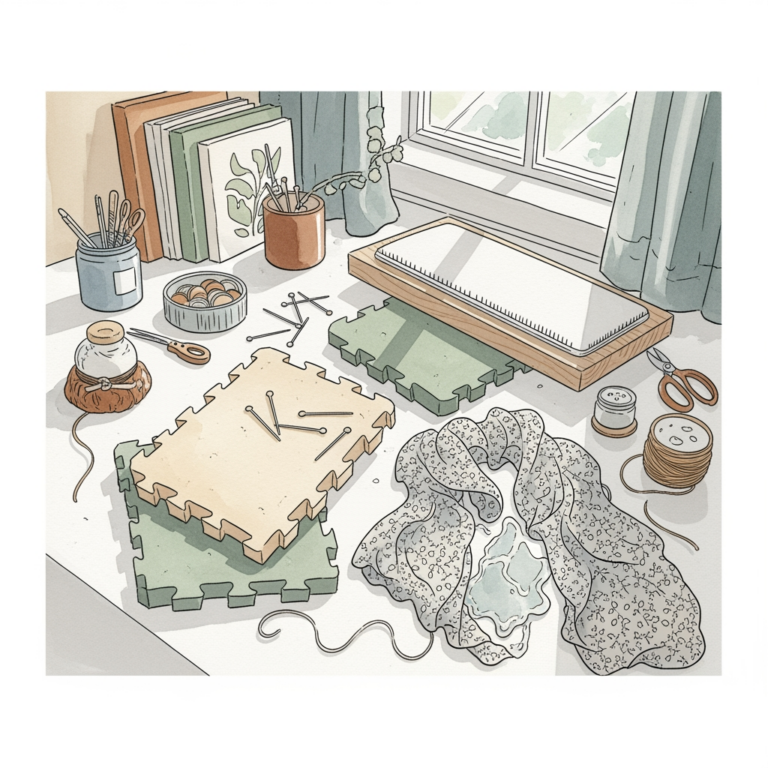
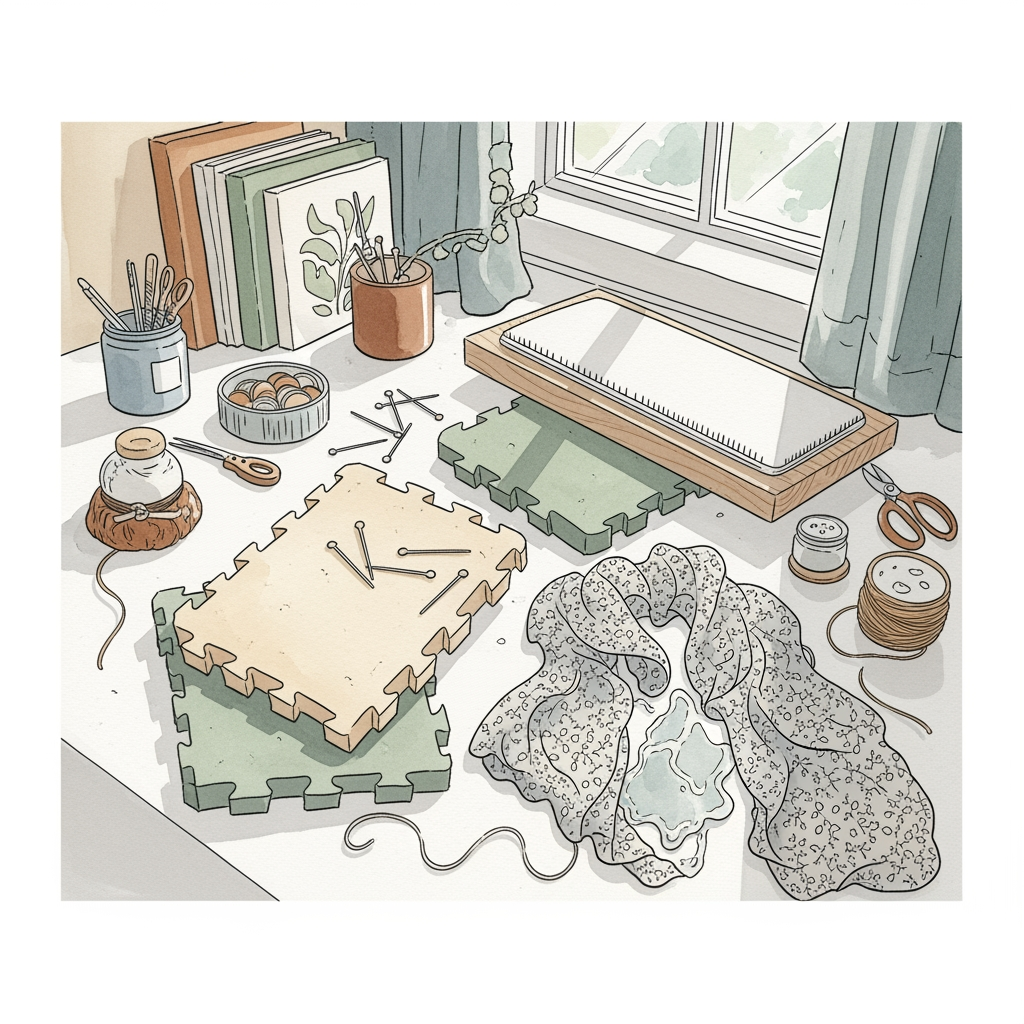
Blocking is not just about shaping; it is about evening out your tension and allowing the stitches to bloom into their final form. Always lay your garment flat on a moisture-resistant surface, away from direct heat sources or harsh sunlight, which can fade colors and make fibers brittle.
Use rust-proof pins to secure the garment to your desired measurements, but be careful not to overstretch the ribbing or cuffs. If you are blocking a heavy sweater, ensure the surface underneath is breathable so the underside dries at the same rate as the top.
Patience is the final ingredient in the blocking process. Never rush a sweater into the closet while it is still damp, as this is a breeding ground for mildew and can ruin the shape you worked so hard to set.
Caring for your hand-knits is just as important as the act of knitting them, as it ensures your hard work survives for generations. By selecting a high-quality wool wash and treating your garments with the gentleness they deserve, you preserve the life and beauty of every stitch. Remember that every fiber is different, and taking the time to understand these small nuances will pay off in the longevity of your wardrobe. Happy knitting, and may your sweaters always wash up perfectly.