7 Best Laundry Detergents For Pre-washing Fibers
Discover the 7 best detergents for pre-washing fibers. Learn how to effectively clean and prep textiles for dyeing or crafting with these top-rated solutions.
Whether you are scouring raw fleece from a local farm or prepping a luxury skein of hand-dyed merino for a lace shawl, the detergent you choose dictates the longevity of your work. Many knitters spend dozens of hours on a single project, only to compromise the fiber’s integrity with harsh household soaps. Choosing the right wash is as vital to your knitting success as selecting the correct needle size or managing your tension. This guide breaks down the best options to ensure your fibers remain soft, vibrant, and structurally sound for years to come.
Eucalan Delicate Wash: Best Overall for Wool
Eucalan is a staple in my knitting bag for a reason. It is a no-rinse formula that contains lanolin, which helps replenish the natural oils lost during the processing of wool fibers.
When you are blocking a finished sweater, you don’t want to be agitating the fabric under a high-pressure faucet. Eucalan allows you to soak the garment and move directly to drying, minimizing the risk of accidental felting.
If you have a project made of high-twist wool, this soap keeps the fibers supple without leaving a sticky residue. It is the gold standard for routine maintenance of your favorite hand-knits.
Soak Wash: Best Rinse-Free Option for Fibers
Soak is the detergent I reach for when I am working with delicate fibers like silk or bamboo blends. It is incredibly gentle and comes in a variety of light, pleasant scents that don’t overpower the natural smell of the wool.
The formula is designed to be efficient; you simply submerge your work, let it sit, and squeeze out the excess water. Because you don’t need to rinse, you avoid the mechanical stress that comes with moving a heavy, wet garment around the sink.
This is particularly helpful for those working with hand-dyed yarns that might be prone to minor bleeding. By limiting the agitation, you keep the color where it belongs—on the yarn, not down the drain.
Kookaburra Wash: Best for Natural Fiber Care


Kookaburra is a tea-tree oil-based soap that excels at cleaning natural fibers while remaining environmentally conscious. It is a powerful cleaner that manages to be surprisingly gentle on the protein structures of animal fibers.
If you are dealing with a project that has picked up a "musty" smell from long-term storage, this is your best friend. It naturally deodorizes without relying on synthetic fragrances that can trigger allergies or irritate sensitive skin.
It is a concentrated solution, so a little bit goes a very long way. Always be mindful of your water temperature; even the best soap can’t save fibers if you shock them with extreme thermal changes.
The Laundress Wool & Cashmere: Best Premium Pick
When you invest in high-end cashmere or luxury alpaca, you want a detergent that treats the fiber like the investment it is. The Laundress provides a sophisticated, concentrated clean that feels like a spa treatment for your knits.
This detergent is particularly effective at removing body oils and skin cells that accumulate on collars and cuffs during regular wear. It preserves the "loft" of the fiber, ensuring your cables stay crisp and your stockinette remains smooth.
While it carries a higher price point, the longevity it provides for heirloom-quality garments is worth the cost. Use this for those special-occasion cardigans that you want to pass down to the next generation.
Unicorn Fibre Wash: Best for Raw Fiber Cleaning
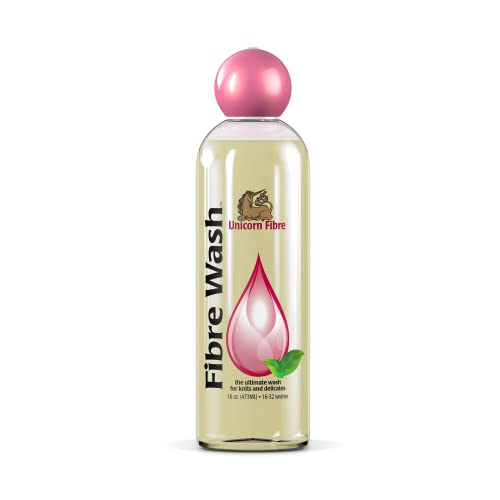
If you are a spinner or a weaver working with raw fleece, Unicorn Fibre Wash is the industry favorite for a reason. It is designed to cut through heavy grease and dirt without stripping the fiber of its essential characteristics.
Raw wool contains suint and lanolin, which can be difficult to remove without the right chemical balance. This wash helps achieve a "neutral" state for your fiber, making it much easier to card, comb, and spin into a consistent yarn.
It is a highly technical product that rewards those who take the time to read the instructions. If your goal is to turn a dirty fleece into a clean, workable roving, this is the most reliable tool in your arsenal.
Orvus WA Paste: Best for Heavy-Duty Fiber Prep
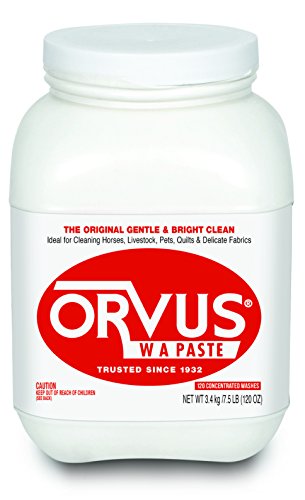
Orvus WA Paste is a classic, heavy-duty surfactant often found in the kits of serious fiber processors. It is incredibly effective at lifting stubborn grime from raw wool or heavily soiled vintage textiles.
Because it is a paste, you must dissolve it thoroughly in hot water before adding your fibers. If you drop a glob of concentrated paste directly onto your yarn, you will have a very difficult time rinsing it out.
Use this sparingly for deep cleaning or preparing raw materials. It is not intended for your everyday wash, but when you have a project that needs a serious "reset," nothing else works quite as well.
Twig & Horn Wool Soap: Best for Gentle Cleaning
Twig & Horn offers a minimalist, pH-neutral soap that is perfect for those who prefer unscented or lightly scented products. It is crafted specifically for the needs of wool, focusing on purity and fiber safety.
This soap is ideal for knitters who are sensitive to the strong perfumes found in standard laundry detergents. It cleans effectively while leaving the wool feeling "clean" rather than coated or waxy.

It is a great choice for blocking lace shawls where you want the fiber to hold its shape perfectly. The lack of additives ensures that nothing interferes with the drape or the natural bounce of the yarn.
Why Pre-Washing Your Fibers Is Essential Today
Many knitters believe that yarn "off the cone" is ready to use, but most fibers contain spinning oils, dust, and residues from the mill. Pre-washing or soaking your yarn allows the fibers to "bloom," revealing their true texture and gauge.
If you don’t pre-wash, your gauge might shift significantly after the first time you wash the finished garment. This is the primary reason why some knitters find their sweaters grow or shrink unexpectedly after the first soak.
Always create a swatch, wash it exactly as you intend to wash the final garment, and measure it dry. This simple habit saves you from the heartbreak of a project that doesn’t fit after all your hard work.
Understanding pH Balance in Fiber Care Products
Wool is a protein fiber, meaning it is sensitive to the pH levels of the water and the soap you use. Harsh, alkaline detergents can cause the scales on the wool fiber to open, leading to unwanted felting and loss of softness.
A pH-neutral detergent mimics the natural environment of the fiber, keeping the scales closed and the yarn smooth. This is why you should never use standard dishwasher soap or heavy-duty laundry detergents on your hand-knits.
When in doubt, look for products specifically labeled for "wool" or "delicate" use. These are formulated to protect the integrity of the protein, ensuring your work stays durable and soft.
How to Properly Soak and Dry Delicate Materials
To wash your knits, fill a basin with lukewarm water and a small amount of your chosen detergent. Submerge the garment gently—never rub or wring it—and let it soak for at least 15 to 20 minutes.
After soaking, lift the garment out and support its weight with your hands; do not let it hang, as the weight of the water will stretch the fabric out of shape. Gently press the water out against the side of the basin or lay it flat on a towel and roll it up like a burrito.
Finally, lay the piece flat on a drying rack or a clean, dry towel, shaping it to your desired dimensions. Avoid direct sunlight or heat sources, as these can dry out the fibers and cause them to become brittle over time.
Selecting the right detergent is a foundational skill that elevates your knitting from a hobby to a craft. By understanding how different soaps interact with your specific fibers, you can ensure that every project looks as beautiful on its hundredth wear as it did on its first. Remember that your choice of wash is just as important as your choice of yarn or needles when it comes to the longevity of your hand-knits. Treat your fibers with care, and they will reward you with years of warmth and beauty.