6 Best Weaving Swords For Opening Sheds For Weavers
Discover the top 6 weaving swords for effortless shed opening. This guide compares materials and designs to help you improve your loom’s efficiency today.
A weaving sword is the silent partner in your craft, acting as both a tool to create a clear shed and a reliable beater to set your picks. Choosing the right one changes the physical rhythm of your weaving, turning a struggle with sticky warps into a fluid, meditative process. Whether you are working on a rigid heddle or a larger floor loom, the right weight and taper make all the difference. Let’s explore the top tools that will elevate your weaving experience.
Ashford Maple Wood Weaving Sword for Rigid Heddle
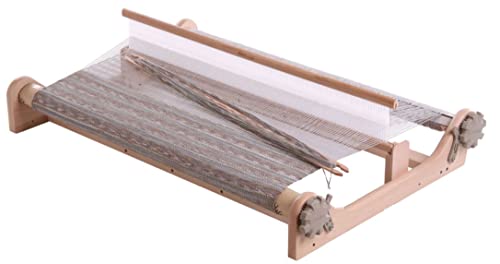

The Ashford maple sword is a staple for a reason: it is lightweight, durable, and perfectly sized for the standard rigid heddle loom. Because rigid heddle looms can sometimes feel cramped, the slim profile of this sword allows you to slide it through the warp without disturbing your tension.

Maple is an excellent choice for a weaving tool because it is a closed-grain hardwood. It resists splintering, which is vital when you are working with delicate fibers like silk or fine mohair that catch on even the smallest burr.
If you find that your shed is collapsing mid-pick, this sword offers just enough rigidity to hold the warp threads open. It is a reliable, no-nonsense tool that serves beginners and experts alike.
Schacht Spindle Company 20-Inch Cherry Sword

Schacht is known for their exquisite craftsmanship, and their cherry wood sword is no exception. Cherry has a beautiful, natural warmth that feels smooth in the hand, and it gains a lovely patina the more you use it.
At 20 inches, this sword is ideal for weavers who want a bit more leverage when beating the weft. The extra length provides a comfortable grip, allowing you to distribute pressure evenly across the entire width of your warp.
While it is slightly heavier than maple alternatives, that weight can be a benefit. It helps you pack your weft firmly, which is essential if you are weaving heavy wool blankets or dense rugs.
Kromski Hardwood Weaving Sword for Harp Forte

The Kromski sword is specifically designed to complement the aesthetics and mechanics of the Harp Forte loom. It features a distinct shape that tapers toward the ends, which helps in maneuvering around the loom’s side posts.
This sword is particularly effective for weavers who prefer to work with a variety of yarn weights. The edge is beveled just enough to separate the threads cleanly without putting undue stress on the warp fibers.
If you are a fan of the Kromski system, matching your tools to your loom often leads to a more ergonomic workflow. It is a precise tool for a precise loom.
Leclerc 24-Inch Hardwood Shed Stick and Sword
Leclerc tools are workhorses, and their 24-inch hardwood sword is built to withstand years of heavy use. This length is perfect for larger rigid heddle looms or as a secondary tool for multi-shaft table looms.
Using a longer sword allows you to create a wider shed, which is a game-changer if you are using a shuttle that is bulky or wide. It prevents the "pinching" effect that happens when a sword is too short for your weaving width.
Because it is made from high-quality hardwood, it remains straight and true even under the tension of a long warp. It is an investment piece that you will likely pass down to another weaver.
Harrisville Designs Traditional Maple Sword
Harrisville Designs has a deep history in American textile tradition, and their maple sword reflects that heritage. It is simple, sturdy, and intentionally designed to be an extension of the weaver’s hand.
This sword is exceptionally well-balanced. When you are weaving for hours, the weight distribution of your tool matters as much as the weight of your yarn; a poorly balanced sword leads to wrist fatigue.
It is an excellent choice for weavers who appreciate a classic, functional tool. It doesn’t have unnecessary bells and whistles, just a clean edge that creates a perfect shed every time.
Glimakra Swedish Style Hardwood Weaving Sword

Glimakra tools are rooted in the Swedish tradition, where the weaving sword is often used for more than just opening a shed. These swords are typically thicker and designed to handle the rigors of traditional rug weaving.
If you are working with linen or heavy cotton warps, this is the tool you want. The thickness provides the necessary force to beat the weft into place, ensuring your fabric has the desired density and structure.
It is a specialized tool that feels substantial in the grip. For those who want to emulate the traditional Scandinavian style of weaving, this sword is an essential component of the process.
Essential Factors for Choosing Your Weaving Sword
When selecting a sword, the most important factor is the width of your loom. A sword that is too short will leave you struggling to create a consistent shed across the entire warp.
Consider the weight of the fiber you use most often. If you work with delicate, thin yarns, you need a sword with a fine, smooth edge to prevent breakage. If you weave heavy textiles, you need a heavier, thicker sword.
- Length: Ensure it is at least as wide as your weaving area.
- Weight: Heavier for dense projects, lighter for delicate lace weaves.
- Material: Hardwoods like maple or cherry are superior to softwoods, which can dent.
Wood Grain and Finish: Why Smoothness Matters
The finish on your weaving sword is the difference between a joyful weaving session and a frustrating one. Any microscopic snag on the surface of the wood will catch your warp threads, leading to broken ends and uneven tension.
Always run your fingers along the length of the sword before purchasing. If you feel even the slightest resistance, it will likely snag your wool or silk.
If you purchase a sword that feels a bit "dry," you can treat it with a high-quality wood wax or oil. This creates a slick surface that allows the sword to glide through the warp like a hot knife through butter.
Proper Care and Maintenance for Your Wood Tools
Treat your weaving sword like a fine piece of furniture. Keep it in a dry environment to prevent warping, and avoid leaving it resting on a loom where it might be exposed to direct sunlight or temperature fluctuations.
Over time, the natural oils from your hands will help condition the wood, but an occasional application of food-safe mineral oil or beeswax will keep it from drying out. Never use harsh chemicals or detergents to clean it.

If you notice a small nick or burr developing from wear, use a very fine-grit sandpaper—400 grit or higher—to gently buff the area. Follow up with a coat of oil to seal the wood, and your tool will be as good as new.
How to Properly Use a Sword to Create Clean Sheds
To create a clean shed, insert the sword into the warp on its edge, then rotate it ninety degrees to open the space. Do not force the sword; if it feels stuck, check your tension or ensure your heddles are fully engaged.
Once the shed is open, slide your shuttle through, then turn the sword flat to beat the weft into place. This two-step process—opening and beating—is the core rhythm of weaving.
Avoid the temptation to "over-beat" your fabric. Let the sword do the work by its own weight rather than using excessive muscle, which can lead to uneven fabric or strain on your loom’s frame.
Investing in a quality weaving sword is one of the most practical upgrades you can make for your studio. By matching the weight and length of your tool to your specific project, you reduce physical strain and improve the consistency of your cloth. Remember that the best tool is one that feels like a natural extension of your hand, allowing you to focus entirely on the pattern rather than the mechanics. Happy weaving, and may your sheds always be clear and your tension perfectly balanced.