
7 Best Cable Needles For Adding Texture To Try
Elevate your knitting with these 7 top-rated cable needles. Discover the best tools for creating intricate textures and achieving professional stitch results.
Cables are the hallmark of heirloom-quality knitwear, adding a structural complexity that transforms simple yarn into a tactile masterpiece. Choosing the right cable needle is not merely about aesthetics; it is about finding a tool that secures your stitches without impeding your rhythm. With the right needle in hand, the daunting process of moving stitches to the front or back becomes a seamless part of your workflow. This guide explores the best tools available to help you master those intricate twists and turns with confidence.
Clover Bamboo Cable Stitch Holders: Best Overall
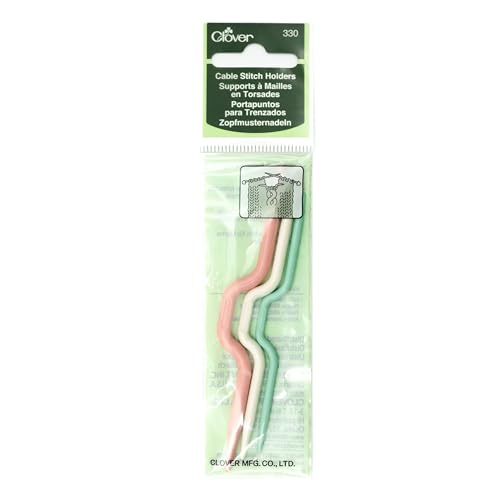

Clover’s bamboo cable needles are the gold standard for a reason: they strike the perfect balance between grip and glide. The natural texture of the bamboo provides just enough friction to keep your stitches from sliding off unexpectedly, which is a lifesaver when you are working with slippery silk or superwash wool.
These needles are lightweight and warm to the touch, making them ideal for long knitting sessions where hand fatigue can become an issue. Because they are slightly grippy, they are particularly forgiving for beginners who might be nervous about dropping stitches during the cable cross.
The bottom line is that these are the most reliable workhorses in any knitter’s kit. If you are looking for one tool that handles almost every fiber type without fuss, reach for the Clover bamboo set.
Knitter’s Pride Basix Beechwood Cable Needles

Beechwood needles offer a distinct, smooth finish that feels more refined than standard bamboo while maintaining that essential "grab" for tricky yarns. These needles are exceptionally durable, standing up to the tension required for dense, heavy-gauge cable projects like fisherman sweaters.
Because they are crafted from polished wood, they won’t snag your yarn fibers, which is critical when working with delicate plied wools. The slight taper at the ends allows you to pick up stitches easily, even when the cable cross is tight.
If you find that metal needles make your stitches slide off too quickly, the Basix Beechwood line is your best alternative. They provide a controlled, steady experience that allows you to focus on your pattern rather than managing your tools.
ChiaoGoo Stainless Steel Cable Needle Set

When you need speed and precision, stainless steel is the professional’s choice. These needles are incredibly slick, allowing your stitches to glide effortlessly from the cable needle back onto your main working needle.
These are best suited for knitters who have mastered the mechanics of cabling and want to maintain a fast, fluid pace. Because the surface is so smooth, however, they can be "slippery," so they aren’t always the best choice for very smooth synthetic yarns.
The durability of stainless steel is unmatched; these will last a lifetime without warping or splintering. If you are working on a massive project with a high volume of cable crossings, the efficiency of ChiaoGoo will significantly reduce your total knitting time.
Lykke Driftwood Cable Needle Collection

Lykke needles are as beautiful as they are functional, featuring a smooth, dark-stained wood that looks stunning in any project bag. Beyond their appearance, they possess a unique surface treatment that makes them feel incredibly luxurious in the hand.
The wood is strong and dense, meaning these needles won’t bend or snap even when you are working with high-tension, intricate Aran-style patterns. They offer a "medium" level of grip, making them a great middle-ground choice for knitters who move between different yarn types.
If you appreciate tools that feel like an extension of your craft, the Lykke collection is a joy to use. They are particularly well-suited for wool and alpaca fibers, where the wood helps prevent the yarn from sliding out of place during the cross.
Susan Bates Crystalites Plastic Cable Needles

Plastic needles are often overlooked, but the Susan Bates Crystalites offer a lightweight, affordable solution that is perfect for traveling knitters. They are smooth enough to move quickly but have enough structural integrity to hold a decent number of stitches.
The primary advantage here is visibility; the clear, bright colors make it easy to see your stitches against the needle. This is an underrated feature when you are working with dark-colored yarns that can be difficult to read in low light.
These are an excellent "starter" set for someone building their collection on a budget. They are durable, easy to clean, and virtually impossible to lose at the bottom of your knitting bag.
Brittany Birch Wooden Cable Needle Set

Brittany needles are crafted from sustainably harvested birch, known for its incredible strength and smooth grain. These needles have a very natural, matte feel that provides excellent control, especially when you are working with very soft, lofty yarns like mohair or cashmere.
The tips are shaped with precision, allowing you to manipulate stitches without splitting the yarn. This is essential when working with high-twist yarns where a sharp point could accidentally pierce the ply and ruin the stitch definition.
For the knitter who prefers natural materials, Brittany Birch offers a classic, tactile experience. They are a timeless addition to any toolkit and perform beautifully across a wide range of standard wool weights.
Addi Metal Cable Needles With Hooked Ends
The hooked end on these Addi needles is a game-changer for knitters who struggle with stitches sliding off the needle during the transfer. This simple mechanical design acts as a safety gate, keeping your work secure while you maneuver the cable.
They are made from high-quality, lightweight metal, so they don’t add unnecessary bulk to your hands. Because they are slick, they are excellent for fast-paced knitting, but the hook adds a layer of security that prevents the "oops" moments common with standard straight needles.
If you have ever had a cable cross unravel mid-row, these are the solution you have been looking for. They are particularly helpful when working on complex, multi-stitch cables that require keeping many stitches on hold simultaneously.
How to Choose the Right Cable Needle Material
- For Slippery Yarns (Silk, Bamboo, Superwash): Choose wooden or bamboo needles. The natural friction prevents the yarn from sliding off.
- For Grippy Yarns (High-twist wool, Mohair): Choose metal or highly polished wood. You need a slick surface to move the stitches without snagging.
- For Beginners: Stick with wood or bamboo. The added control helps you build muscle memory without the stress of losing stitches.
- For Advanced Speed: Choose stainless steel. It minimizes drag and allows for rapid-fire cable crosses.
Mastering Cable Stitches: Tips for Beginners
The secret to clean cables is managing your tension during the cross. When you move stitches to the cable needle, make sure you don’t pull the yarn too tight, or you will create a "puckered" look in your fabric.
Always keep your cable needle in the same position—either consistently in front or consistently in back—until you learn how the direction of the cross affects the look of the twist. Experimenting with a swatch is the best way to see how these small changes impact the final texture.
Don’t be afraid to go up a needle size for your cable needle compared to your working needles. This makes the transfer much easier and helps prevent the cable from appearing too dense or compressed.
Cable Needle Maintenance and Storage Advice
Keep your wooden needles in good condition by occasionally rubbing them with a tiny amount of beeswax or a specialized wood conditioner. This keeps the wood from drying out and maintains that smooth, snag-free surface.
Store your cable needles in a dedicated case or a small tin to prevent them from getting lost. Because they are small and often translucent, they have a habit of disappearing into the crevices of your couch or the bottom of your project bag.
Avoid using metal needles that have become bent or scratched, as these can snag your yarn and cause pilling. A damaged tool is a liability; if a needle has a rough spot, it is time to replace it rather than risking your hard work.
Selecting the perfect cable needle is a personal journey that evolves alongside your knitting skills and project preferences. Whether you prioritize the grip of natural wood or the lightning-fast glide of stainless steel, the right tool will make your cabling experience far more enjoyable. Take the time to experiment with different materials, and you will soon find the one that feels like a natural extension of your hands. Happy knitting, and may your twists always be perfectly defined.
