6 Best Spinning Oil Dispensers For Maintenance Reviewed
Discover the top 6 spinning oil dispensers for efficient machine maintenance. We review key features to help you optimize lubrication and reduce downtime.
Keeping your spinning wheel or knitting machine in peak condition is the silent secret behind every professional-looking garment. A well-lubricated device ensures your yarn twist remains consistent and your mechanical parts don’t suffer from premature friction wear. Without the right oiling routine, you risk inconsistent tension and potential damage to your precious fiber tools. Here are the best spinning oil dispensers to keep your craft running smoothly.
Precision Oiler Pen: Best for Small Parts


The Precision Oiler Pen is an absolute lifesaver when you need to target the tiny, intricate joints of a spinning wheel flyer or the needle beds of a knitting machine. Its needle-thin applicator allows you to deposit a single, microscopic drop exactly where it belongs without creating a messy, dust-attracting puddle.
For those of us working with delicate lace-weight yarns, where even a tiny bit of stray oil could ruin a project, this level of control is essential. You don’t want oil migrating onto your drive band or, heaven forbid, your hand-spun singles.
The downside is the limited capacity; you’ll be refilling this often if you have multiple wheels or a large knitting machine collection. However, for the sheer control it offers, it remains a staple in my toolkit. Use this when you need surgical precision in tight spaces.
Singer All-Purpose Oil: Best for Durability
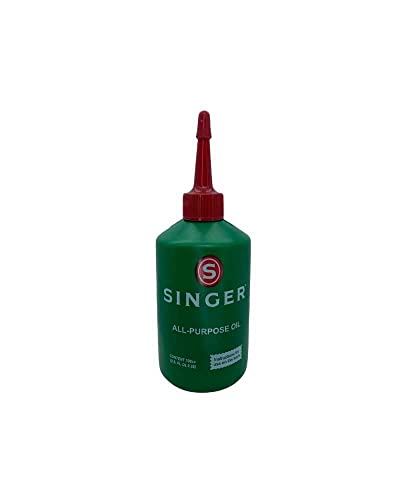
Singer All-Purpose Oil is the classic choice that has been sitting on sewing tables for generations, and for good reason. It is a reliable, medium-viscosity lubricant that stands up well to the constant motion of a treadle or an electric spinner.
I find this oil particularly useful for the main bearings of a wheel that sees heavy daily use. It doesn’t break down quickly under the heat generated by friction, which is vital if you are spinning high-twist yarns for long periods.
While it’s a fantastic workhorse, the bottle design can be a bit clumsy. You’ll likely want to transfer it to a more precise dispenser to avoid over-oiling your equipment. It is the gold standard for long-term mechanical reliability.
Liberty Oil Needle-Tip: Best for Precision
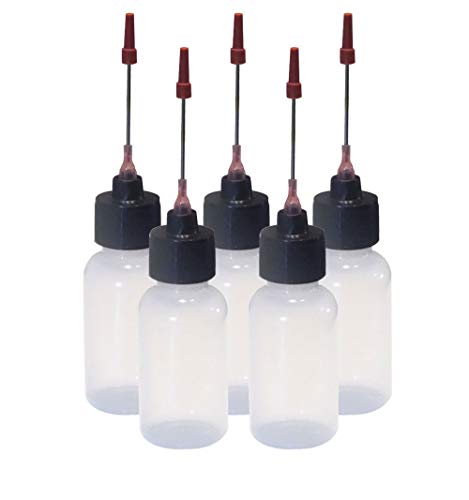
If you struggle with "oiling anxiety"—the fear of ruining your fiber with excess lubricant—the Liberty Oil Needle-Tip is your solution. The applicator is incredibly fine, making it perfect for the tight tolerances found in modern high-end spinning wheels.
This oil is remarkably clear and non-staining, which provides peace of mind when working with white or light-colored luxury fibers like silk or angora. You never have to worry about a dark, oily smudge appearing on your finished skein.
The trade-off is that the needle tip can clog if you don’t keep the cap on tightly. Always wipe the tip clean after use to ensure a smooth flow for your next maintenance session. Choose this if you work with expensive, delicate fibers.
Zoom Spout Oiler: Best for Hard-to-Reach

The Zoom Spout Oiler is a marvel of engineering, featuring a telescoping spout that reaches deep into the heart of a spinning wheel’s inner workings. If you have a wheel with recessed bearings or hidden gears, this is the only tool that truly gets the job done.
I recommend this for those deep-cleaning sessions after a long project, especially if you’ve been spinning greasy, raw fleece. It allows you to reach those "blind" spots without having to disassemble your entire machine.
Because of the long spout, it can be difficult to control the flow, so practice on a paper towel first. It’s not for delicate, tiny drops, but it is unmatched for deep, heavy-duty lubrication. This is your go-to for deep maintenance and hard-to-reach bearings.
Bohin Sewing Machine Oil: Best for Smoothness
Bohin is a name synonymous with quality, and their oil lives up to that reputation by providing an exceptionally smooth, low-friction coating. When you apply this to your flyer hooks or bobbin shafts, you can immediately feel the difference in the wheel’s rotation.
This oil is particularly effective at reducing the "chatter" or vibration that can occur as a wheel ages. If your spinning feels a bit jerky or inconsistent, a drop of Bohin can often restore that buttery-smooth drafting experience we all crave.
It is slightly thinner than other options, which means it penetrates quickly but may require more frequent application. Use this to restore a smooth, quiet feel to an older, well-loved wheel.
Dritz Machine Oil Bottle: Best for Storage

The Dritz Machine Oil Bottle is designed for the knitter or spinner who values an organized workspace. The bottle shape is stable, preventing accidental spills that could lead to a catastrophic mess on your rug or yarn stash.
It’s a standard, high-quality lubricant that works well for general maintenance across a variety of tools, from knitting machine carriages to spinning wheel bobbins. It’s an honest, no-nonsense product that does exactly what it says on the label.
While the applicator is decent, it isn’t as precise as a needle-tip. If you have a complex machine, you might find yourself using a small brush to spread the oil more evenly. This is the best choice for keeping your maintenance kit tidy and accessible.

Why Proper Lubrication Matters for Spinners
Lubrication is the lifeblood of any spinning wheel or knitting machine. Without it, metal-on-metal contact creates friction, which turns into heat and eventually causes parts to seize or wear down.
When your equipment is properly oiled, your yarn twist remains consistent because the flyer moves at a steady, predictable speed. If a bearing is "dry," you’ll notice your wheel dragging, which forces you to compensate with your hands, leading to hand fatigue and uneven yarn.
Think of oiling as a form of self-care for your tools. A well-maintained wheel will last for generations, while a neglected one will eventually become a frustrating, squeaky burden.
How to Choose the Right Oil for Your Device
Not all oils are created equal, and using the wrong type can actually cause more harm than good. You should always aim for a high-quality, synthetic, or mineral-based sewing machine oil that is specifically labeled as "non-gumming."
- Avoid vegetable-based oils: They will eventually turn sticky and gummy, ruining your machine.
- Check viscosity: Thinner oils are for high-speed, tight-tolerance parts; thicker oils are for heavy bearings.
- Look for clear formulas: These are less likely to stain your fibers if a drop goes astray.
Always check your manufacturer’s manual first. Some modern wheels require specific types of grease or oil, and using the wrong one could void your warranty.
Signs Your Spinning Equipment Needs Oiling
Your equipment will usually tell you when it’s hungry for oil, provided you know how to listen. The most obvious sign is an audible squeak or a grinding sound when you treadle or crank the machine.
You might also notice a change in the "feel" of the machine. If the wheel feels harder to start or seems to lose momentum quickly after you stop treadling, it’s a clear indication of friction buildup.
Finally, look for signs of "dry" metal—anywhere you see a greyish, metallic dust accumulating is a sign that parts are rubbing together without a protective barrier. Clean that dust away before applying fresh oil.
Best Practices for Applying Spinning Oil
The cardinal rule of oiling is "less is more." You are looking to create a microscopic film, not a bath; excess oil will only attract dust, lint, and fiber bits, which then turn into an abrasive paste.
Start by cleaning the area with a lint-free cloth to remove old oil and dust. Apply a tiny drop to the friction point, then move the part back and forth to ensure the oil penetrates the bearing or joint.
Always wipe away any excess with a clean rag. If you’re working with fine fibers, double-check that the area is clean before you resume spinning to avoid transferring grease to your beautiful, hand-dyed wool.
Maintaining your spinning equipment is a simple habit that pays massive dividends in the quality of your yarn and the longevity of your tools. By choosing the right oil and applying it with care, you ensure that your spinning sessions remain relaxing and productive. Take a few minutes this weekend to give your wheel some love, and your hands will thank you for the smooth, effortless drafting that follows. Happy spinning!