6 Best Needle Tip Caps For Secure Storage To Use
Protect your precision tools with our top 6 needle tip caps. This guide highlights the best secure storage solutions to prevent damage and ensure safety.
Every knitter knows the sinking feeling of pulling a project bag out of storage only to find a needle has poked through the fabric or, worse, dropped half a dozen stitches. Needle tip caps are the unsung heroes of a well-organized knitting kit, acting as a vital insurance policy for your hard work. Whether you are mid-project or storing your favorite set for a few months, these small tools prevent damage to both your yarn and your gear. Investing in a reliable set of caps ensures your needles stay sharp and your stitches remain exactly where you left them.
ChiaoGoo Silicone Needle Point Protectors


These silicone caps are widely considered the gold standard for their incredible versatility and grip. Because they are made from flexible, high-quality silicone, they stretch to accommodate a wide range of needle sizes without losing their shape.
The material provides a tacky, non-slip surface that stays firmly in place, even if your project bag gets tossed around during travel. They are particularly excellent for metal needles, which tend to be slippery and prone to sliding out of stitches when left unattended.
The trade-off here is that the silicone can sometimes attract lint or dust from the bottom of your knitting bag. A quick rinse with water and a bit of dish soap will restore their grip, making them a long-term, reusable investment.
Clover Soft Point Protectors for Knitting

Clover’s point protectors are a staple in most knitting bags for a reason: they are incredibly lightweight and gentle on delicate yarn. They feature a unique internal design that holds the needle tip securely without putting unnecessary pressure on the metal or wood.
I often recommend these for beginners who are using bamboo or wooden needles. Because these materials can be slightly more fragile than stainless steel, the soft, forgiving nature of Clover’s rubber-like material prevents the tips from snapping or splintering.
The only downside is that they are size-specific and don’t offer the same "one-size-fits-most" flexibility as silicone versions. However, their precision fit makes them the best choice for delicate lace projects where you don’t want the weight of a heavy cap distorting your tension.
KnitPicks Options Needle Tip Point Caps
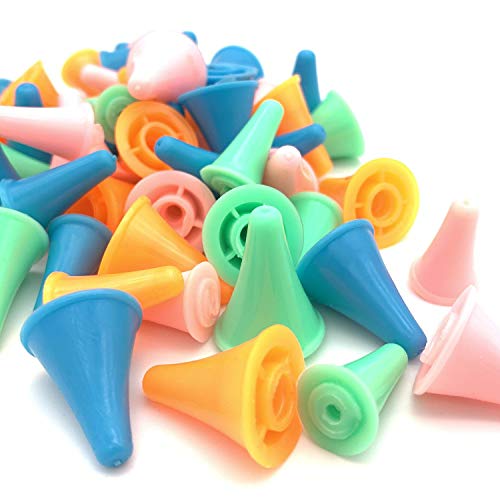
If you use interchangeable needle sets, these caps are essential because they are designed to screw directly onto the needle cable. By replacing the needle tip with these small end caps, you effectively seal your project onto the cord, making it impossible for stitches to escape.
This is a game-changer for long-term storage or for moving a project from one set of tips to another. You aren’t just capping the point; you are securing the entire length of the cable so your work stays safely in the middle of the cord.
Keep in mind that these are brand-specific; they work perfectly with KnitPicks cables but won’t fit other systems. If you are a dedicated KnitPicks user, having a handful of these in your notions tin is non-negotiable.
Susan Bates Knit Chek Needle Point Covers
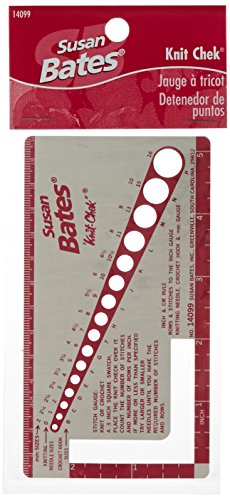
These classic covers are a nod to traditional knitting tools, often found in vintage notions kits. They are sturdy, reliable, and provide a very firm hold on the needle tip, which is ideal if you are prone to misplacing your tools.
Their rigid construction makes them nearly indestructible compared to softer silicone options. I find them particularly useful for larger needle sizes where you need a bit more surface area to ensure the cap doesn’t slide off during transport.
The main drawback is that they can feel a bit bulky compared to modern, streamlined designs. They are perfect for stashing in a home craft room, though they might feel a bit large if you are trying to keep a minimalist, travel-friendly kit.
Boye Aluminum Needle Tip Point Protectors

Boye’s aluminum protectors are built for those who prioritize durability above all else. These are essentially small, hollow metal cones that slide over the needle tips, providing a hard shell that protects both the needle and the surrounding fabric.
Because they are metal, they won’t degrade, crack, or lose their elasticity over time. They are virtually permanent tools that you will likely pass down to another knitter one day.
They can be a bit heavy, however, and if they aren’t a perfect fit for your needle size, they may slide off more easily than rubber or silicone alternatives. They work best on needles that are slightly tapered, as the friction helps keep them in place.
HiyaHiya Puppy Point Protectors for Needles

These are easily the most charming tool in any knitter’s arsenal, shaped like tiny, adorable puppy heads. Beyond the aesthetics, they are highly functional, featuring a deep cavity that grips the needle tip securely.
They are made from a soft, pliable material that feels similar to high-end silicone. They are particularly effective at staying put on slick, polished metal needles, which are notorious for "needle migration" inside a project bag.
While they are undeniably cute, they are also highly practical for keeping track of your needles. The bright colors and distinct shape make them very easy to spot at the bottom of a dark knitting bag, saving you from digging around and potentially pricking your fingers.
Why Needle Tip Caps Are Essential for Storage
Leaving your knitting "naked"—without caps—is a risk that usually ends in a dropped stitch or a damaged needle tip. When you store a project, the needles are often the first thing to snag on the internal lining of your bag or the yarn itself.
Furthermore, if you are storing your needles for an extended period, caps prevent the tips from bumping against each other, which can cause nicks or dulling. For wooden needles, this is especially important to prevent the finish from wearing down.
Using caps is the easiest way to protect your investment. Knitting needles, especially high-end interchangeable sets, are expensive; a few dollars spent on caps can save you from having to replace a bent or damaged needle later.
Choosing the Right Size for Your Needle Tips
The most common mistake knitters make is using a cap that is too loose, which inevitably leads to it falling off in your bag. Always check the millimeter sizing on your needle before choosing a cap, as "small" or "large" labels can vary wildly between brands.
If you are working with very fine needles, such as 2.0mm or 2.25mm for sock knitting, look for caps specifically marketed for "lace" or "small" needles. These are tighter and designed to grip the delicate, thin tips without slipping.
Conversely, if you are knitting with chunky wool on 8.0mm or 10.0mm needles, you need a cap with a wide enough diameter to fit the needle without forcing it. A forced fit can damage the needle finish or cause the cap to split over time.
Materials: Silicone vs. Plastic Tip Protectors
Silicone is the modern favorite because it is grippy, flexible, and gentle on all needle materials. It conforms to the shape of the needle tip, providing a suction-like hold that is very difficult to dislodge accidentally.
Plastic, while often cheaper and more rigid, can sometimes be slippery. If the plastic cap doesn’t fit the needle precisely, it will slide off the moment you turn your project bag upside down.
However, plastic is often better for very large needles where silicone might be too floppy or heavy. If you have a choice, opt for silicone for everyday projects and save the rigid plastic or metal caps for your larger, heavier knitting needles.
Tips for Preventing Stretched Stitches in Storage
One of the biggest concerns with point protectors is the weight of the cap pulling on the stitches at the end of the needle. If you leave a heavy cap on your needles for months, you might find that the stitches at the tip are slightly stretched or distorted when you pick the project back up.
To avoid this, try to slide the caps on so they cover the tip but don’t force the stitches down onto the cable unnecessarily. You want the cap to hold the needle, not to stretch the fabric.
If you are storing a project for a long time, it is often better to transfer your stitches onto a piece of waste yarn or a dedicated stitch holder. This takes the pressure off the needle tips entirely and allows the yarn to "rest" without being under constant tension from the needle’s weight.
Finding the right point protectors is a small but significant step in maturing as a knitter. By matching the material and size to your specific project needs, you ensure your needles remain sharp and your stitches stay pristine. Don’t let a stray needle ruin your progress; pick up a few sets of these caps and keep your gear safe. Happy knitting, and may your stitches always stay right where you left them.